This guide explains how to evaluate a Chevy Silverado Mcallen Edition when shopping nearby, focusing on trim choices, expected equipment, pricing drivers, and what to verify before you commit. It also outlines background context on why localized editions matter and how buyers in the Rio Grande Valley typically compare options based on work-readiness, comfort, and service coverage.
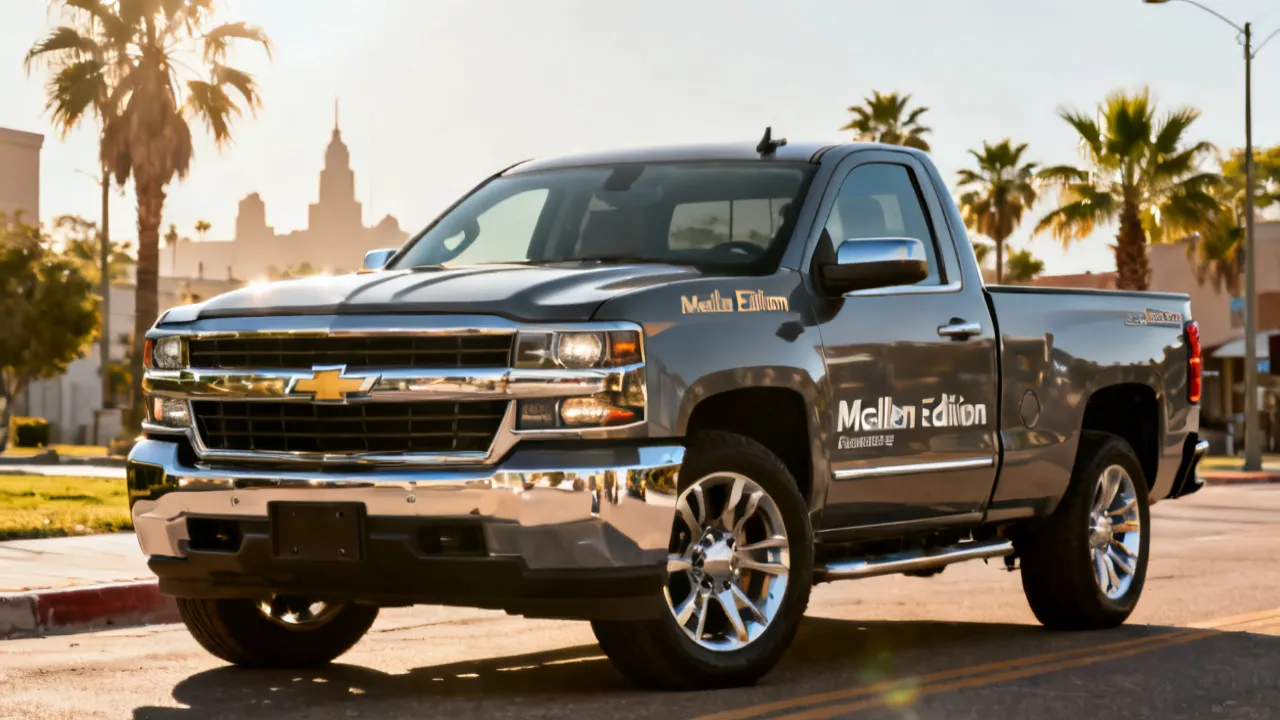
If you’re considering a Chevy Silverado Mcallen Edition when shopping nearby, the smart approach is to confirm the vehicle’s exact configuration first—then compare price and supplier credibility second. This edition-style branding usually reflects a specific blend of appearance upgrades, convenience features, and equipment selection, so the very important “deal questions” aren’t just about cost; they’re about what you actually receive.
From an industry perspective, the top results come from treating the shopping process like an audit: verify trim details, check build consistency (options can vary), and ensure the seller can document history and specs. In the Rio Grande Valley, including areas around McAllen, buyers often prioritize a truck’s everyday drivability, cabin comfort in warmer months, and the practical balance between work capability and family-friendly use. That cultural preference shows up in how people compare listings—especially when they see “edition” naming.
Because you’re dealing with a named edition rather than a simple “trim only” description, your success depends on how well you translate marketing language into VIN-specific reality. Many shoppers get distracted by the word “edition” and assume the truck has a fixed package. Sometimes it does; other times the edition label is a dealer’s shorthand or a regionally promoted combination. Your job is to make it precise.
When a listing mentions a Chevy Silverado Mcallen Edition, it signals that the truck has been configured with an identifiable set of features. However, edition language is not a universal standard across all listings. Some suppliers use it as a shorthand for a package, dealer-installed appearance items, or a regionally curated combination of factory options. That’s why buyers should confirm:
In practice, two trucks can both be described using the Chevy Silverado Mcallen Edition label yet differ in meaningful ways—such as the availability of advanced driver-assistance, the exact audio system, or the type of interior trim. Your objective is to eliminate ambiguity before you negotiate.
It can help to think of a Silverado “edition” like a blend recipe: if you don’t ask the seller which ingredients are in the final product, you can end up paying for something you won’t actually use. For example, a truck might be advertised with “premium” features, but “premium” could mean upgraded speakers without including navigation, or it could mean a different trim interior without the driver-assist suite you were expecting. The edition label might be real, but you need confirmation.
Also keep in mind: feature availability can be affected by production timing and option packages. A single model year can include multiple revisions, and certain options may be bundled or substituted depending on supply at the time of build. Even if two trucks are the same “edition,” their build sheets can still differ.
That’s why the best buyers ask for the equipment list tied to the specific VIN rather than relying on the listing’s text. If the seller won’t provide it, that doesn’t always mean the deal is bad—but it does mean you should slow down. Buying a truck based on ambiguous labeling is how shoppers end up negotiating from a weaker position.
Pricing for a Chevy Silverado Mcallen Edition typically reflects several layers, and understanding them helps you evaluate whether a quote is fair:
To keep your evaluation grounded, use official or widely cited benchmarks rather than rumor. The U.S. Bureau of Labor Statistics and industry reporting outlets regularly track used vehicle price movement, while OEM and reputable industry research track new-vehicle demand signals. For example, the U.S. Federal Reserve’s consumer credit and auto lending research has historically informed how buyers finance vehicles and how payment affordability can reshape demand. For current market context, cross-check sources such as:
Note: Because you didn’t supply specific price figures, this guide focuses on the mechanisms that create price differences, and what to ask the supplier to support their numbers with documentation.
In many local “nearby” searches, shoppers notice that two listings can have different advertised prices even when the trucks look similar. Often the difference is not the edition itself—it’s the hidden variables: tire condition, remaining warranty, accident history, documentation quality, and whether key features are actually present. The edition label may be the same, but the cost-to-own can differ dramatically.
When you’re comparing prices, the “right” comparison is out-the-door, not the sticker or online ad price. Taxes, doc fees, add-on items (like paint protection, VIN etching, or service bundles), and registration vary by seller. Some sellers advertise a lower number but then add mandatory fees that make the total cost higher than expected. Others include certain items upfront, which can make the total cost more competitive even if the advertised number seems higher.
Here’s another common pricing trap: when a seller emphasizes monthly payments. Monthly payment calculations can change based on down payment, loan term, interest rate, and whether the seller includes add-ons in the financed amount. Two offers with similar monthly payments can still have very different total out-of-pocket costs. If you want clarity, ask for a full breakdown and compare offers using the same structure.
When shoppers look for a Chevy Silverado Mcallen Edition nearby, supplier quality can strongly affect total value. A professional supplier can reduce your risk by providing transparent documentation and clear inspection results.
Industry top practice suggests you verify whether the seller can provide:
If a supplier is vague about the edition package—what’s included, what’s installed versus factory-installed, and which features are absent—treat that as a red flag. Edition labeling can be legitimate, but your job is to ensure it corresponds to real equipment on the VIN.
Supplier vetting is especially important if the truck is being sold by a non-franchised outlet or a third-party reseller. In those cases, documentation quality may vary. Some sellers keep excellent paperwork and can produce it quickly. Others may have partial records or may rely on verbal descriptions. Verbal descriptions are not inherently wrong, but when you’re spending a large amount of money, you need written or verifiable information.
Also evaluate responsiveness. A seller who answers questions quickly, provides detailed timestamps or service receipts, and encourages you to inspect the vehicle (or schedules an inspection) is likely to be more transparent. A seller who avoids specifics, delays providing the VIN-specific details, or discourages inspection is a higher risk scenario.
Think about it like this: the best suppliers don’t just want to sell the truck—they want to prevent disputes after the purchase. When a seller is confident in the vehicle’s condition and configuration, they’re usually comfortable sharing details.
In the Rio Grande Valley, conditions are a bit different than in colder climates. Buyers commonly think about heat tolerance, interior comfort, and the day-to-day practicality of a truck used for commuting, work, or both. While specific preferences vary by household, the patterns often include:
So, when you evaluate a Chevy Silverado Mcallen Edition, try test-driving with the same mindset locals often use: pay attention to cabin airflow feel, throttle response in stop-and-go traffic, and how the truck behaves over uneven road surfaces.
Warm-weather driving highlights problems that might be less noticeable in winter. For example, a weak AC system can become obvious quickly on a test drive. Sun exposure can reveal fading or heat-related interior wear. Seat materials can feel different—some fabrics trap heat, while some leather or ventilated seats feel noticeably cooler. If you plan to keep the truck for years, these details can affect your daily satisfaction.
In the RGV, drivers often deal with a mix of urban roads and longer distances to work, school, shopping, or family visits. That means the truck needs to be comfortable at highway speed, not just adequate in traffic. Evaluate steering stability, tire noise at speed, and whether the transmission shifts smoothly when you accelerate and then coast.
Also consider how the truck handles crosswinds and lane changes. A strong cab and stable suspension help reduce fatigue. If the truck has larger wheels or a more aggressive tire setup, it can look great but may transmit more road texture into the cabin. The edition label might not mention this nuance, so you have to experience it.
Before you talk numbers, confirm the truck’s “spec truth.” This minimizes the risk of paying for features you don’t actually receive.
This approach is designed to help you compare trucks with the same level of clarity—especially when edition naming varies between listings.
To make this checklist even more practical, you can structure it into two phases: “before you visit” and “during/after you inspect.” Before you visit, focus on configuration verification and documentation. During the visit, focus on condition, function testing, and any inspection you choose to pay for. After you visit, focus on the paperwork and final cost breakdown.
This reduces wasted time. Many buyers waste several trips because they didn’t confirm key specs early. In a market where inventory changes quickly, that can cost you good options. VIN-specific feature confirmation can save you days.
The table below compares how buyers typically evaluate a Chevy Silverado Mcallen Edition based on practical priorities when shopping nearby.
| What You’re Evaluating | Why It Matters | What to Ask the Supplier |
|---|---|---|
| Trim and package contents | Determines whether “edition” features are actually present | Provide VIN-specific equipment details and a feature list matching the listing |
| Engine + transmission | Impacts towing feel, commuting comfort, and drivability | Confirm specifications and demonstrate driving under normal conditions |
| Wheel/tire setup | Changes ride comfort, road noise, and efficiency | Specify tire size and age; confirm any recent tire replacements |
| Driver-assist and safety tech | Improves confidence and reduces fatigue | Verify what is included (lane features, alerts, cameras) and whether it functions correctly |
| Cabin comfort in heat | Warm weather makes HVAC performance more noticeable | Test HVAC response and confirm maintenance for climate system |
| Maintenance and history | Reduces risk of recurring problems and unexpected costs | Share service records or inspection summaries; disclose prior repairs |
| Warranty and coverage terms | Protects against repairs and affects good value | Provide coverage details, transfer rules, and claims process |
| Total out-the-door price | Prevents surprises after negotiation | Break down charges and list add-ons included |
Use this table as your negotiation reference. If the seller can’t answer the “what to ask” column clearly, you’re justified in slowing the process or using that uncertainty as leverage to refine price.
Use this process when you compare options for a Chevy Silverado Mcallen Edition. It’s written as a practical sequence, reflecting common dealership and pre-purchase standards.
To expand this into a more “day-of” routine, consider using a checklist phone note or printable page. When you test drive multiple trucks, your memory can blend details. A simple method is to score each truck in categories like AC performance, transmission smoothness, brake feel, and infotainment usability. That way, you don’t rely on first impressions.
Also, don’t rush the paperwork stage. Many deals move quickly, but you still need to read the contract carefully—especially any line items like “optional equipment,” “dealer installed accessories,” and warranties or service plans that may have separate terms.
To avoid misalignment, treat the following as conditions/requirements when buying a Chevy Silverado Mcallen Edition nearby:
If any one of these conditions fails, you have choices: request clarification, request documentation, negotiate down to reflect unknowns, or walk away. Walking away is not “failure”—it’s a successful strategy when the risk is too high.
In the used market especially, edition language can be connected to appearance modifications. For instance, some sellers may add wheels, badges, or interior trim pieces and then describe the truck using “edition” language for marketing consistency. That’s not automatically bad, but it can be different from factory configuration. If the edition implies factory features (like certain driver-assist or factory-installed audio systems), modifications might not replicate the same functionality or integration quality.
Therefore, it’s crucial to verify whether features are factory-installed versus dealer-installed, and whether any modifications have warranties tied to them.
Dealers and fleet managers generally look at three dimensions: spec certainty, condition predictability, and cost-to-own alignment. Edition naming often influences perception, but it shouldn’t replace due diligence. A professional buyer values:
In the used market, a vehicle’s “story” matters—how it was maintained is frequently more important than cosmetic appearance. In the new/near-new context, configuration and warranty terms carry more weight. Either way, the Chevy Silverado Mcallen Edition should be evaluated on the same objective framework.
Thinking like a dealer can also help you negotiate more effectively. Instead of arguing about an advertised price, argue about verifiable factors: tire wear, remaining warranty, missing options, or documentation gaps. Buyers who negotiate based on facts tend to reach better outcomes because the discussion stays anchored to reality.
Dealers often work with internal pricing models. Still, you can influence negotiation by tightening the scope of what you’re buying. When you can identify exact differences between two trucks—like whether one has a specific driver-assist package or upgraded audio—you reduce the “fuzziness” that sellers often use to hold firm. You’re not guessing; you’re comparing.
Another dealer-style mindset is anticipating future maintenance. Even without a full mechanical inspection, you can estimate cost-to-own by analyzing wear items: tire tread and date codes, brake thickness and rotor condition, signs of fluid leaks, and how the transmission behaves under load. You can’t guarantee future repairs, but you can reduce the likelihood of expensive surprises.
To make your process more robust, you can expand beyond the basics and treat the “Mcallen Edition” shopping experience like a structured qualification. This section breaks the verification process into practical areas you can check in a disciplined order. The goal is not to overwhelm you—it’s to help you avoid the most common “edition listing” mistakes.
Before you take a seller’s word for an edition package, verify the VIN and confirm that the vehicle corresponds to the listing details. Ask for the VIN in advance and ensure you can match it with:
If a seller can’t provide the VIN early, or provides a VIN that doesn’t match what’s described, that’s an immediate pause. On top of that, if the seller insists the edition includes features that are not present on the VIN equipment list, you should treat that inconsistency as a deal risk.
In some cases, sellers might use “edition” terms to refer to appearance or dealer-installed upgrades rather than factory options. That’s fine if you confirm it clearly—but not if you assume it means factory safety tech or specific software features.
Many Silverado buyers focus on power numbers, but what matters day-to-day is how the powertrain behaves. Ask which engine and transmission are installed. Then ask yourself:
Even when two trucks have the same engine type, transmission calibration and driving modes can affect feel. Test the truck in the same driving conditions you experience in real life. If you commute through traffic in the Rio Grande Valley, prioritize stop-and-go response. If you frequently take longer trips, prioritize stability and acceleration feel at highway speeds.
Also check whether the truck has tow-related packages if you intend to tow. Some trucks may include tow hooks, a towing hitch, or trailer wiring while lacking other components depending on the build. Towing readiness is not always included just because the truck is a Silverado.
A “nearby” Silverado might look similar online, but wheel and tire details can be the difference between a comfortable ride and a loud, harsh drive. Ask for tire size, wheel size, and tire condition. Then inspect:
In warm climates, tires can show different wear characteristics. UV exposure and high ambient temperatures can accelerate cracking. Even if tread depth looks adequate, older tires can have dry-rot or compromised sidewalls. That affects safety and could create a future replacement cost you want to factor into negotiation.
If the listing implies a certain “edition” wheel style, verify that those wheels are actually on the truck now. Sometimes sellers include photos of a similar setup, not the exact vehicle you’re viewing.
Because the Rio Grande Valley often runs hot and humid, cabin comfort verification is a big deal. Don’t just sit in the truck for ten seconds—test the HVAC performance. Do these checks:
If the truck has dual-zone climate, confirm both zones work. Warm-weather comfort also includes visibility—make sure the cabin has adequate lighting and that windshield wipers perform well if you test them.
In the heat, interior plastics and trim can show wear differently. Look for:
Odors can be a more complex issue than visual wear. Sometimes sellers offer a quick deodorizing spray that masks the problem briefly. If you notice a persistent smell, ask about cleaning and whether the seller will address it before purchase—or discount the price accordingly.
Edition naming can imply “technology package” content, but buyers should verify. Driver-assist features can vary widely even among similarly equipped trims. You should test:
When you test, pay attention to how the truck behaves—not just whether the feature appears in a menu. For example, blind-spot alerts should actually display clearly on the corresponding side. Lane features should respond reliably at appropriate speeds and road markings.
Also confirm that the infotainment system is responsive and that key functions work:
Sometimes a truck has the hardware but lacks subscription features. If navigation or connected services require activation, ask how that works and whether any trial remains.
Driver-assist verification matters because it affects your confidence and daily workload. Buyers in hot climates also deal with longer drives and more heat fatigue; features that reduce distraction and improve safety can make a meaningful difference.
The Silverado’s driving experience depends on more than tires. Steering feel, suspension response, and braking performance reveal mechanical condition. On your test drive, do these:
Vibration can be caused by tire imbalance, wheel damage, or suspension issues. If a listing claims “new tires” but you detect vibration, that mismatch is important. Similarly, harsh braking feel might indicate worn brakes or rotors needing replacement soon.
Some sellers discourage opening the hood or closely inspecting undercarriage. That can limit what you can verify. Still, you can often inspect key wear items. Ask for:
Even if you’re not a mechanic, you can look for warning signs: wetness around components, strong odors, or residue suggesting leaks. If the seller refuses access to simple inspection, that reduces transparency.
Transparency doesn’t mean you need to be overly skeptical. It means you should have enough information to estimate risk. If you can’t obtain it, you must adjust negotiation or decide against the deal.
Service history is often the best indicator of future reliability. Ask for maintenance records and receipts for key services such as:
If service records aren’t available, you can still make an informed decision. But you should be more conservative and plan for an inspection. In some cases, a lack of records could mean the truck is well maintained but documentation was lost. In other cases, it could mean limited maintenance. Both outcomes are possible, so you should validate with inspection rather than hope.
Maintenance “proof” also includes consistent dates and mileage. A seller might provide receipts that show irregular gaps. That doesn’t necessarily mean the truck is bad, but it’s a signal to inspect carefully and consider how you’ll maintain the truck after purchase.
Paperwork is where many deals succeed or fail. Confirm the title status and whether the vehicle has any branding or restrictions. Ask:
Also confirm whether the seller’s warranty is manufacturer-backed or a separate third-party plan. Different coverage structures can have different claim rules and service network limitations.
If a seller offers a warranty verbally, ask for the written warranty document. If the warranty is a dealer-provided plan, request details on deductibles and coverage limits. If the seller doesn’t provide it, you should treat the claim as uncertain.
Edition branding should not distract you from body integrity. While you can’t fully determine structural damage without professional tools, you can look for cosmetic clues. Check for:
For higher-risk used vehicles, consider paying for a pre-purchase inspection, including a check for structural issues and hidden damage. The cost of inspection is usually small compared to the potential cost of missed damage.
Even if the truck looks great in photos, real-world conditions can reveal imperfections. Online images can hide small mismatches depending on lighting. Physical inspection is where you reduce uncertainty.
Out-the-door price should be transparent and itemized. Ask for a breakdown including:
Sometimes sellers include “dealer add-ons” that raise the total cost without increasing your value. Examples include certain protective coatings, wheel locks, or service bundles that may not match your needs. If you don’t want them, ask whether they are removable or whether the deal can be adjusted.
In negotiation, your leverage increases when you can point to specific line items. Instead of haggling vaguely, you’re comparing exact charges and asking why one offer differs from another.
A structured test drive avoids the “I felt it was fine” problem. You’ll remember impressions, but you might not compare objectively between trucks. Use a repeatable script:
In the Rio Grande Valley, it’s also helpful to test whether visibility and lighting feel adequate at dusk or in bright sun. Some trucks have strong lighting systems while others appear adequate on paper but feel less effective in real driving.
If possible, test the truck in similar road conditions to your commute. If your commute includes heavy pothole or uneven patches, replicate them during the test drive. The suspension behavior you notice will help you estimate whether you’ll enjoy the truck long-term.
It commonly refers to a curated configuration that may bundle specific appearance and convenience features. Because edition naming can vary by supplier, you should request VIN-specific equipment details to confirm exactly what’s included.
Ask the supplier for a feature list tied to the vehicle’s VIN and request documentation where available. During the test drive, verify that the relevant functions (cameras, driver-assist alerts, infotainment features) operate as described. If the seller claims the features are factory-installed, the VIN equipment list should reflect them; if not, ask whether they are dealer-installed upgrades.
Compare trim, engine/drivetrain, wheel/tire setup, safety and infotainment features, cabin options, service history, warranty terms, and out-the-door pricing—not just the advertised headline number. If possible, also compare the remaining wear items: tires, brakes, and known maintenance intervals.
Monthly payments can be useful, but total cost to own depends on the contract structure, interest rate, and add-on fees. Ask for the full out-the-door breakdown and compare offers on the same basis whenever possible. If two deals have similar monthly payments but different down payments, add-ons, or terms, the “better” option may not be obvious unless you compare the full numbers.
For used or high-mileage examples, an inspection is a prudent step. Even if the supplier is reputable, third-party verification helps confirm mechanical and structural condition and reduces the chance of surprises. If the truck is priced aggressively or documentation is thin, an inspection becomes even more important.
Focus on HVAC response and cabin comfort, steering feel on varied road surfaces, noise levels at speed, and how the truck transitions through stop-and-go traffic. Warm-weather drivability often matters more than buyers expect. Also check visibility and lighting effectiveness because bright sun and glare can affect how confidently you drive.
Look for service records (if available), transparent disclosures, clear title status information, and written warranty details. If the supplier references specific package content, the documentation should align with the VIN. Written warranty terms should include coverage limits, deductibles (if any), and how claims are handled.
You can still proceed if you find another method to confirm features—such as manufacturer build sheet data, a detailed window sticker (if applicable), or a comprehensive inspection report that verifies equipment. If they remain unwilling, treat that as a reason to slow down and potentially walk away, because you’re being asked to buy with uncertainty.
Use a comparison approach that focuses on the features you truly care about. If one truck has a better driver-assist suite and the other has cosmetic differences, prioritize functionality. Also look at remaining wear items and maintenance records. A lower-priced truck can be a better value if it has similar equipment but fresher tires or a stronger warranty.
Sometimes they are, sometimes they aren’t. Ask whether add-ons are removable and whether they add real value based on your preferences. Protective coatings might help in specific situations, but they also add cost. Service plans can be valuable if they cover the kind of maintenance you’d normally do and if the plan terms are favorable.
The Chevy Silverado Mcallen Edition can be an attractive way to access a specific mix of features, but it shouldn’t be purchased on branding alone. When you shop nearby, prioritize spec verification, condition transparency, and total out-the-door cost clarity. If you follow the checklist and treat supplier documentation as part of the “deal,” you’ll be in a strong position to select a Silverado that fits your everyday driving—and your good ownership plans.
Ultimately, the “best” Silverado isn’t the one with the most impressive edition label—it’s the one whose equipment, condition, and warranty terms align with how you actually drive in the Rio Grande Valley. When those pieces match, the truck feels right on day one and stays right over time.

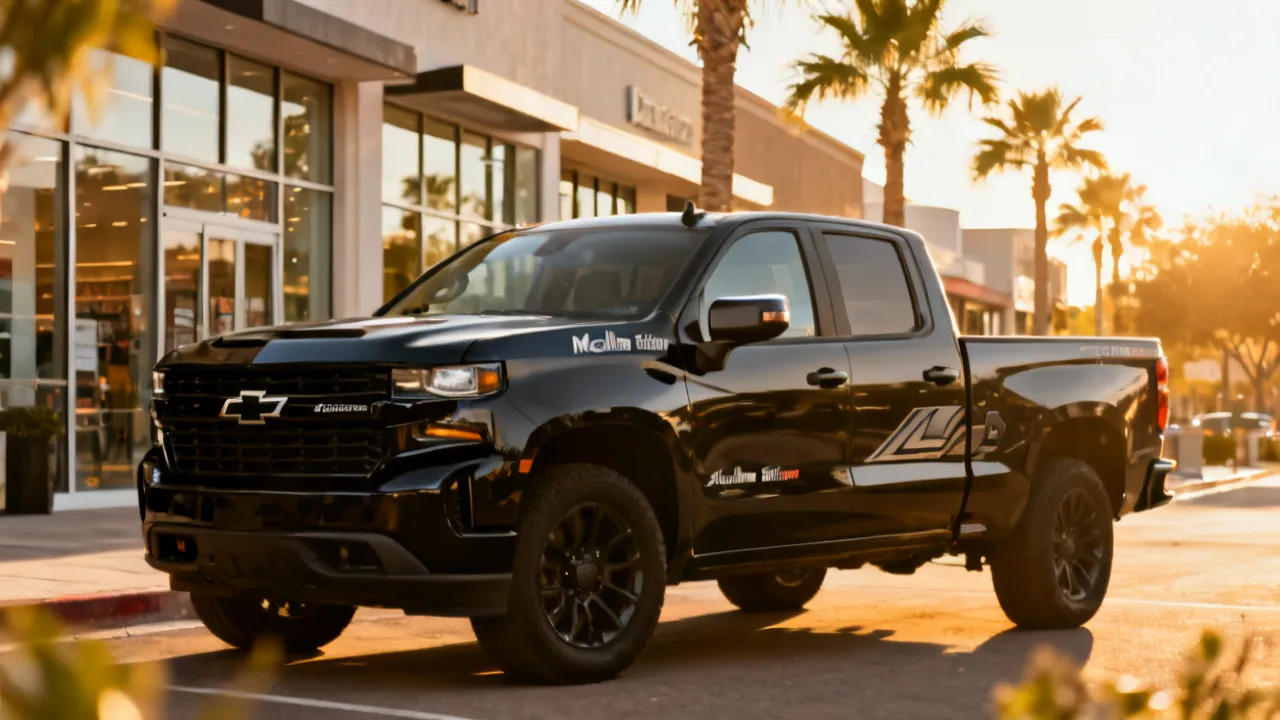
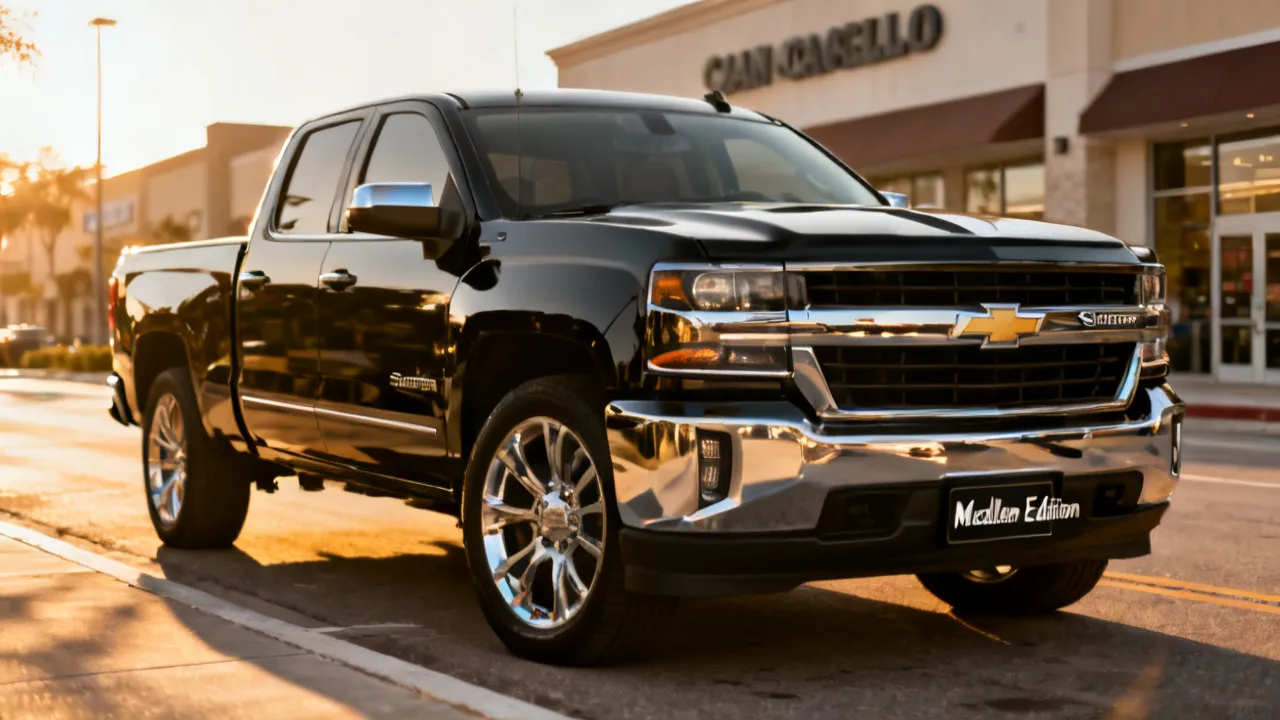
This guide helps you evaluate the Chevy Silverado McAllen Edition for everyday driving, heat-tough comfort, and resale value in the nearby McAllen area. Objectively, the term “McAllen Edition” typically signals a region-tailored trim and accessory mix, while Silverado platforms prioritize capability and serviceability. You’ll find practical selection criteria, supplier considerations, and requirement checklists before you decide.
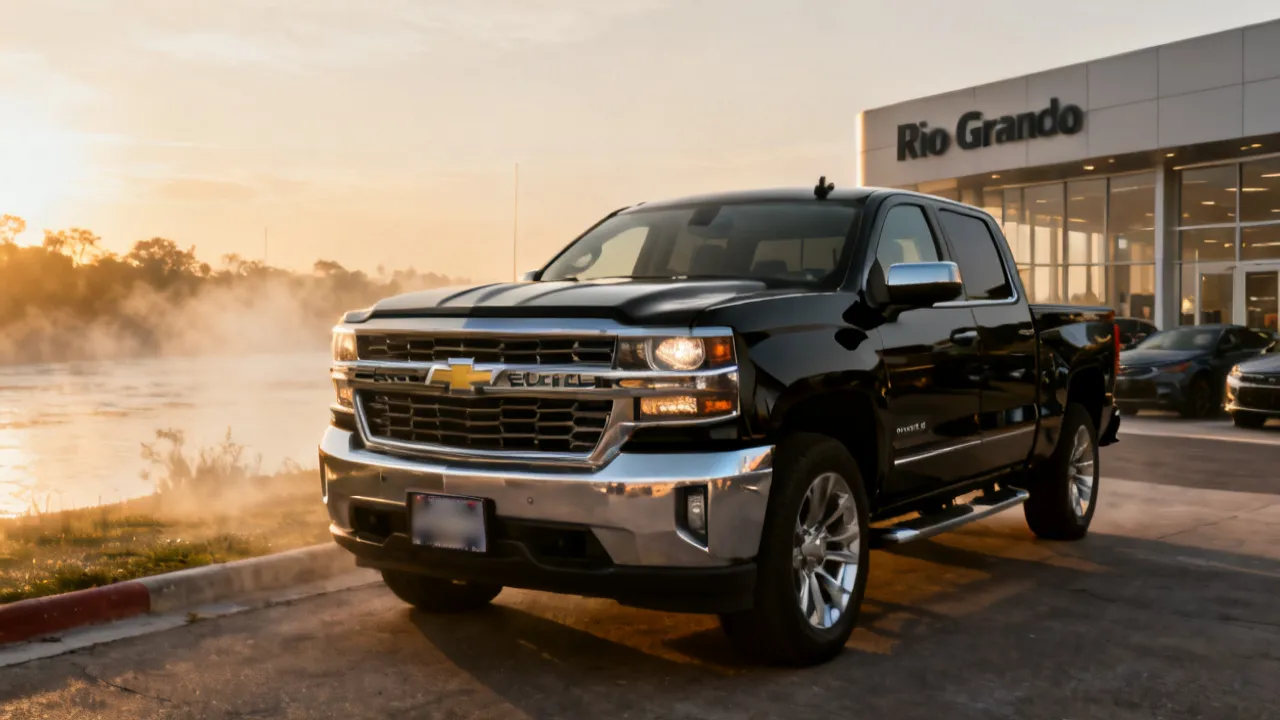
This guide helps you evaluate a Chevy Silverado McAllen Edition by focusing on what to inspect, how to compare trims, and what to verify in listing details before you buy. It provides neutral background on the Silverado platform, typical regional buyer priorities, and the documentation steps that protect you during purchasing. Built for nearby drivers who want clarity.
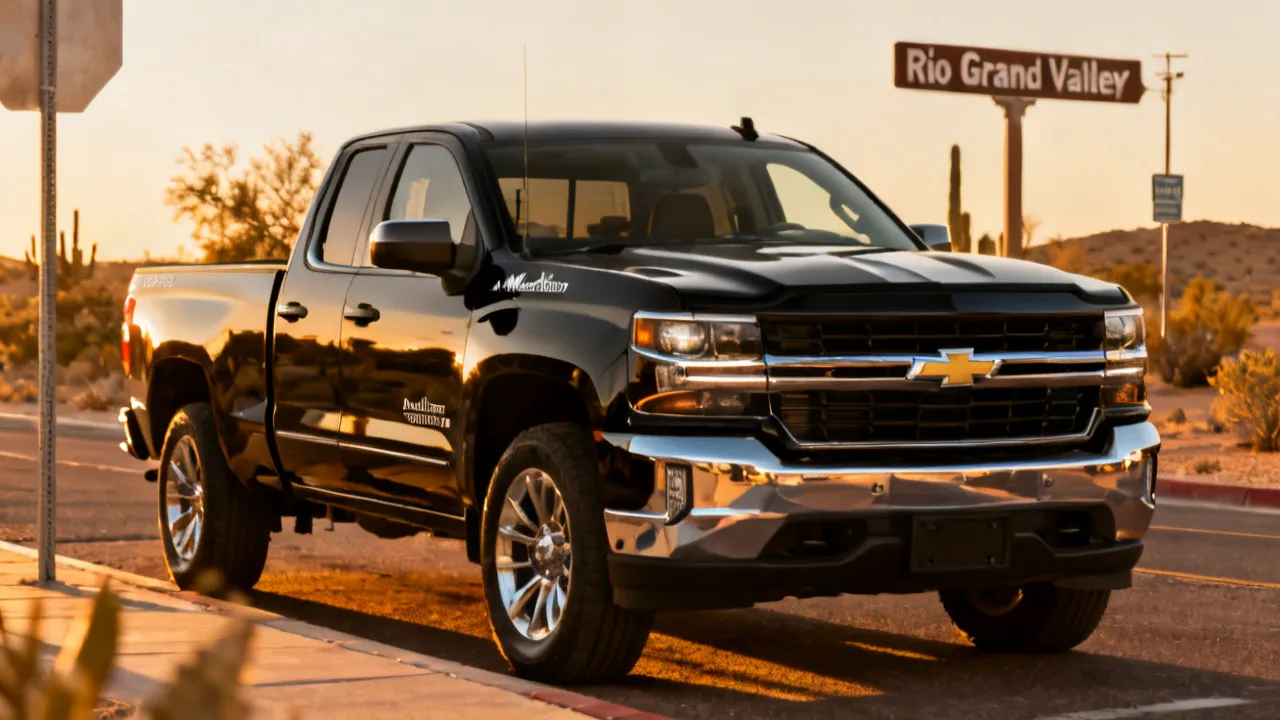
This guide helps you evaluate a Chevy Silverado Mcallen Edition for nearby buyers, focusing on trims, sourcing options, pricing variables, and ownership fit. It outlines objective background on what “Mcallen Edition” typically implies in the market, how dealers and distributors structure availability, and what to verify before committing—especially for Texas-area road use.
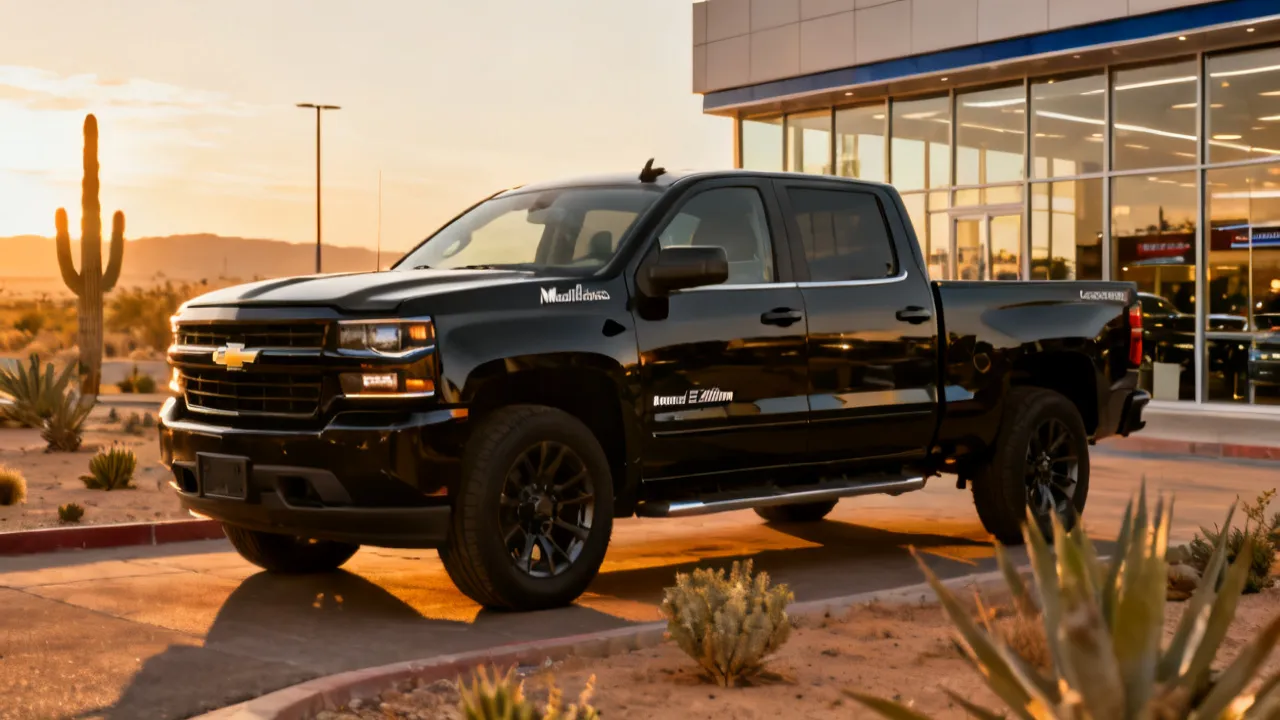
This guide explains how to evaluate a Chevy Silverado Mcallen Edition deal for buyers looking in the nearby Rio Grande Valley market. It reviews what “Mcallen Edition” typically means in trim and equipment terms, how local availability and pricing dynamics can affect your options, and what to verify before purchase—step by step and from an industry perspective.
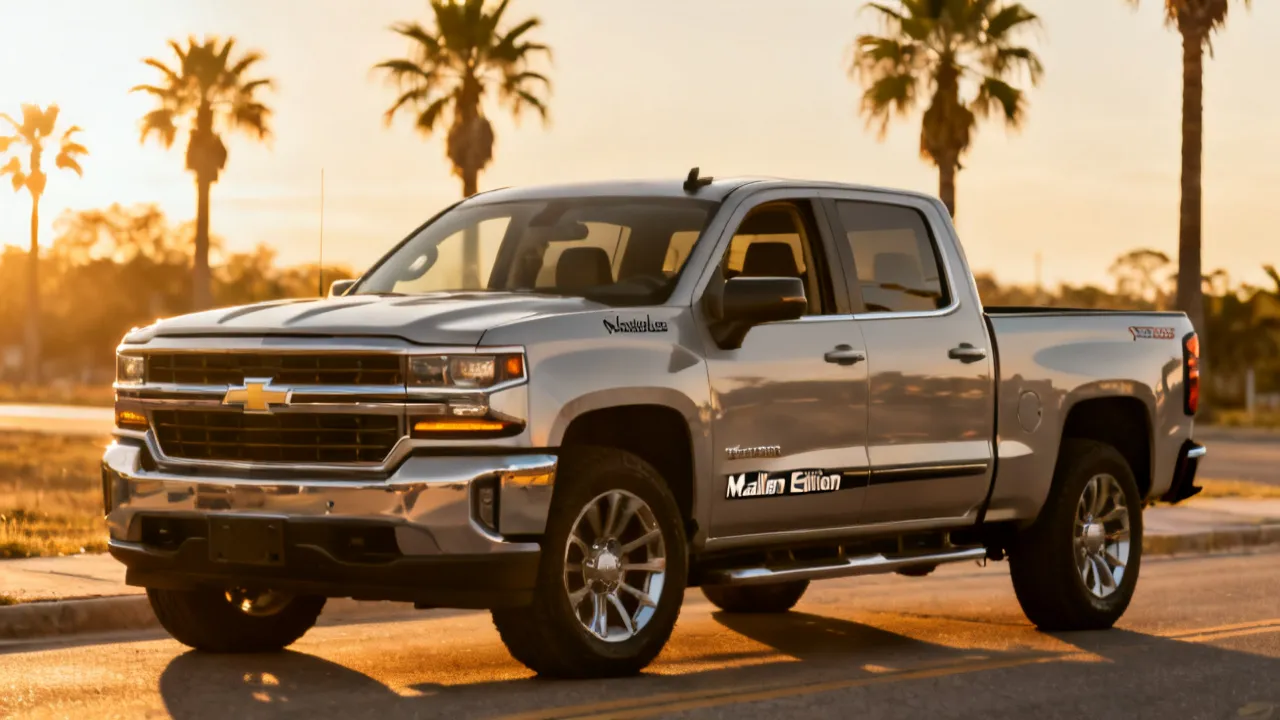
This guide explains how to evaluate a Chevy Silverado Mcallen Edition near you, from trim fit and use-case planning to supplier options and pricing expectations. Background context is also provided on what “Mcallen Edition” typically signals in the market, and how buyers in nearby Texas often prioritize heat-ready comfort and everyday durability. Advice is objective and practical.
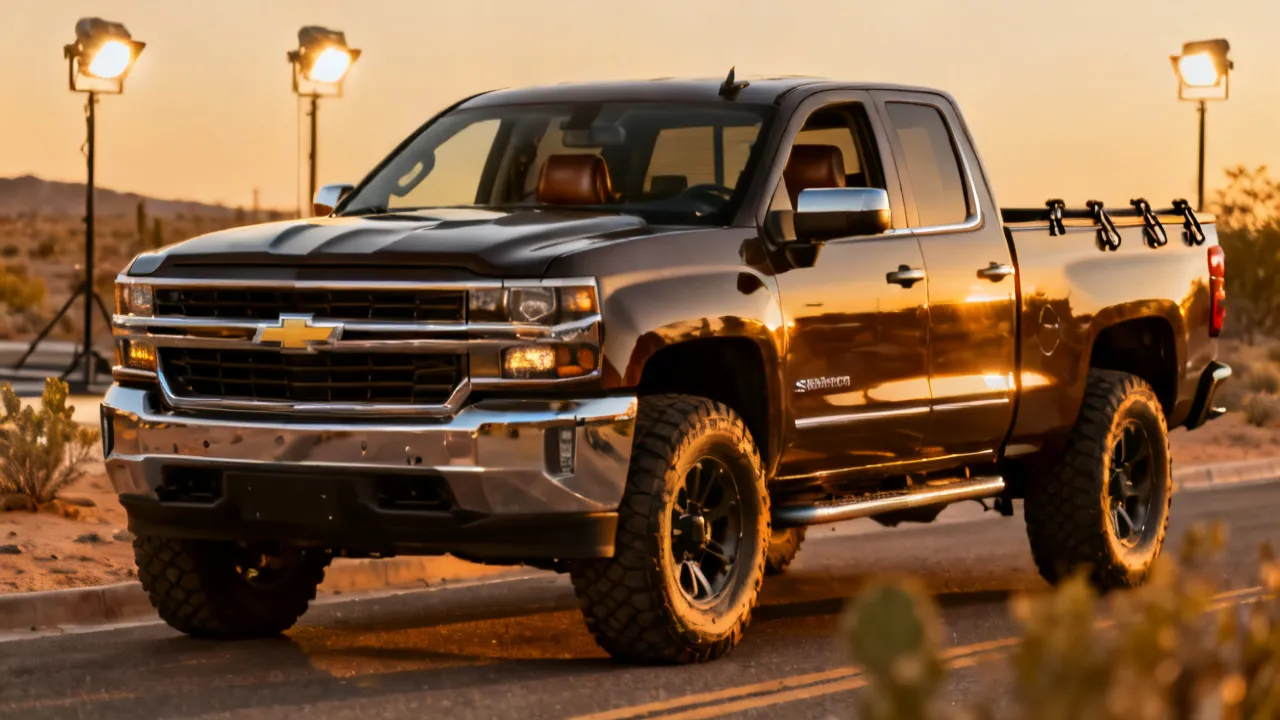
This guide explains what to look for in a Chevy Silverado McAllen Edition, including typical pricing factors, supplier options, and how to evaluate listings near McAllen. It also provides objective background on why local trim, dealer-installed packages, and seasonal demand can change offers. You’ll find a comparison table, requirements, and step-by-step checklist to compare vehicles responsibly.