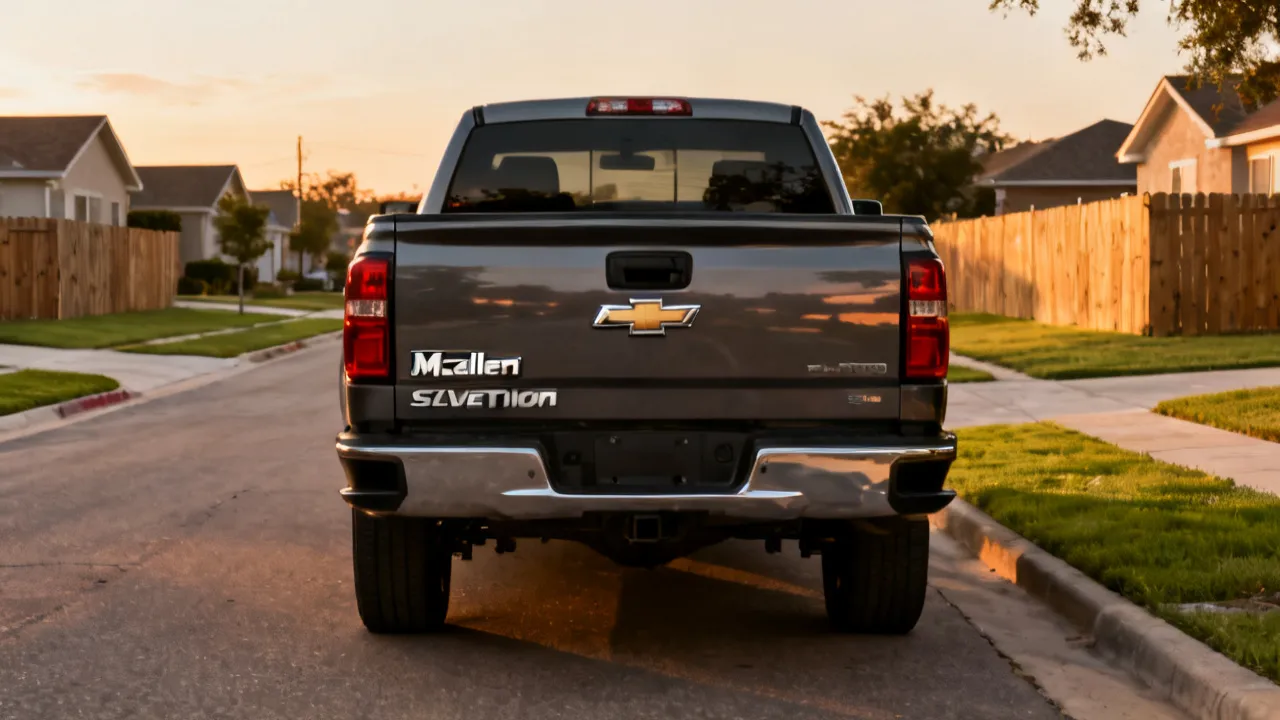
This guide helps you evaluate a Chevy Silverado McAllen Edition by focusing on what to inspect, how to compare trims, and what to verify in listing details before you buy. It provides neutral background on the Silverado platform, typical regional buyer priorities, and the documentation steps that protect you during purchasing. Built for nearby drivers who want clarity.
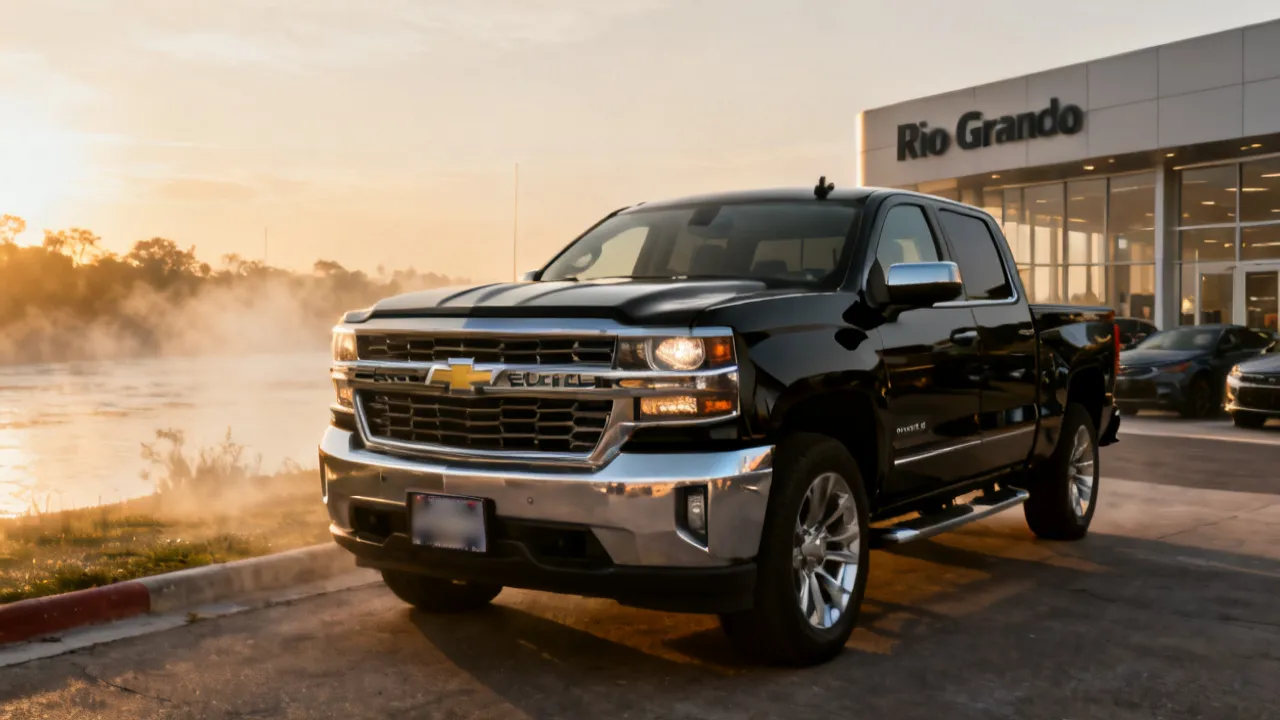
If you’re considering a Chevy Silverado McAllen Edition, the smartest starting point is not the badge—it’s the vehicle’s exact configuration and condition. Confirm the trim, drivetrain, engine, mileage accuracy, vehicle history documentation, and warranty coverage before you focus on aesthetics or “edition” wording. In a market shaped by nearby Texas driving conditions—long highway stretches, warm temperatures, frequent stop-and-go, and a higher likelihood of dust exposure—these checks don’t just improve peace of mind. They directly influence total ownership cost, day-to-day reliability, comfort, and how often you’ll return to the shop in the first year after purchase.
From an industry perspective, the top buys are typically the ones where paperwork matches the vehicle, the listed equipment is confirmed, and the inspection findings align with the test drive. “Mcallen Edition” should be treated as a marketing wrapper around specific specs. Your job as a buyer is to translate that wrapper into verifiable details—using the VIN, a structured inspection, and confirmation from documentation.
The phrase Chevy Silverado McAllen Edition usually signals a bundle of features, styling cues, or package selections that resonate with local buyers. In practice, “edition” language can be used for different purposes: a dealer-installed appearance package, a manufacturer option grouping, or a curated inventory category tied to regional demand. The key is to avoid assumptions because the same name can mean different combinations depending on the supplier and the inventory source.
As an expert buyer’s checklist, think of the edition name as a starting keyword, not a guarantee of a single fixed spec. Your goal is to translate that label into concrete details you can verify—such as wheel and tire size, infotainment package, safety suite configuration, towing capability rating, and whether the truck has any prior collision repairs that could affect structure, alignment, and long-term durability.
To interpret it objectively, anchor your evaluation in four layers:
When you keep those layers in order, you prevent the most common buyer mistakes—like believing a photo or a marketing line instead of verifying actual configuration and condition.
The Silverado line is built to handle a wide range of use cases—from daily commuting to worksite hauling, from school runs to long-distance travel. Still, buyers in nearby warm-climate areas often care about different practical factors than buyers in colder regions. In South Texas and the surrounding area, heat and humidity can stress cooling systems, accelerate certain wear items, and amplify the consequences of neglecting maintenance. Road conditions can also vary—long straight highway segments can hide issues until high-speed or prolonged loads reveal them, while stop-and-go driving can accelerate brake wear and stress driveline components.
When evaluating a Chevy Silverado McAllen Edition, prioritize:
These points matter because they affect both immediate usability and future repair risk. A “nice-looking” Silverado with mismatched tires, weak HVAC, or questionable service history often costs more than a “less flashy” option in the long run.
Even when two listings both mention a Chevy Silverado McAllen Edition, they can differ significantly in how they’re equipped. In industry terms, feature parity isn’t guaranteed just because a marketing label is shared. One might be a work-ready configuration with simpler infotainment and fewer safety features. Another might include upgraded wheels, a more robust safety suite, a premium audio system, and towing-related components.
Here’s how to compare listings like a professional:
A valuable tip: create a checklist that you can reuse. When you evaluate multiple trucks, consistent note-taking keeps you from “remembering” incorrectly. For example, write down the exact tire size, whether it has a center console feature set, whether it has rear parking sensors, and which cameras appear on the display.
You asked to incorporate price information, supplier details, and location-specific context; however, you did not provide explicit numeric pricing, a specific supplier name, or a particular website/source. Because unverified pricing could be misleading, this guide focuses on how to interpret price ranges responsibly and how to confirm what you’re paying for.
In general, pricing for a Silverado in nearby South Texas markets tends to reflect trim level, drivetrain (especially 4WD), mileage, tire condition, and whether the truck includes higher-demand options. But the biggest pricing risk isn’t that a price is “high”—it’s that two vehicles with similar headline pricing are actually different when you factor:
To reduce risk, compare like-for-like vehicles by matching:
If a listing includes a price and you’re evaluating “value,” ask the supplier for a breakdown: what portion comes from the baseline vehicle, what portion reflects packages, and what portion reflects fees. This is standard in dealership transparency, and it helps you compare apples-to-apples.
Also, avoid a trap common to used trucks: comparing only the monthly payment. Industry practice is to evaluate the total out-the-door cost (vehicle price + taxes + registration + documentation fees + any dealer add-ons). The monthly payment can be made to look attractive by extending term length, increasing down payment, or adding products that you might not want.
If you get multiple quotes, request the same breakdown from each supplier. Then you can isolate what’s truly being paid for: equipment value vs. documentation/fee value vs. protection-plan value.
When you purchase through a dealership or another automotive supplier, the most consequential differences are frequently in documentation and after-sale support—not in the marketing photo angles. A clean truck can still carry hidden risk if documentation is incomplete, title status is unclear, or warranty terms are restrictive.
For a Chevy Silverado McAllen Edition, confirm:
From an industry standpoint, it’s common for buyers to focus on “monthly payment” without reviewing what’s included. Professionals focus on protection terms and claim process details before signing. If something fails early, you want the warranty and dealer process to help—not frustrate.
In the nearby region, many Silverado owners use their trucks for both everyday errands and longer-distance trips. The climate and road mix can affect components over time. Even if you’re buying a “clean” used truck, heat and driving pattern can influence failure timing in ways that show up sooner than in cooler regions.
Key localized considerations:
In addition, local buyers often value comfort on long drives. A quick test of wind noise, steering steadiness, and HVAC performance can be more informative than photos. For example, if you drive at highway speed for a few minutes and notice unusual vibration or “thumping” sound, it can point to wheel balance issues, suspension wear, or tire defects that photos won’t capture.
Also consider the practical reality of sun exposure: interior plastics and vinyl can fade or crack faster. If seats are cracked or headliners sag, it may reflect long sun exposure rather than a mechanical problem—but it impacts value and replacement cost.
Below is a practical, professional workflow designed to minimize risk. Use it the same way you would during an internal procurement review—methodical, evidence-based, and documented. Even if you’re only looking at one truck, this process can save you from regret.
If you want the very objective result, conduct the test drive after the first inspection so any concerns can be re-checked while driving under more realistic conditions. That sequence matters because inspection checks can uncover mechanical/electrical concerns that you want to “verify while moving,” not just see while the vehicle is stationary.
When you schedule the appointment, also plan how you’ll take notes. Buyers who remember details incorrectly often end up paying more or choosing a worse option because they didn’t track the differences accurately.
The “Mcallen Edition” naming can map to different packages. Since your prompt did not specify an exact supplier price or a particular configuration set, the table below compares common factors that buyers should weigh. Replace these generic categories with the exact features from your listing during your evaluation.
| Factor to compare | What it can change in the Silverado | Why it matters for nearby ownership |
|---|---|---|
| Wheel and tire package | Tread life, road noise, ride comfort, and efficiency | Heat and road texture can accelerate wear; alignment issues show faster |
| 4WD vs. 2WD | Traction behavior and maintenance expectations | Seasonal driving can benefit from traction; confirm transfer case condition |
| Towing readiness | Hitch hardware, cooling, wiring integration | Even occasional towing can depend on properly equipped components |
| Infotainment and convenience suite | Screen features, audio setup, phone integration | Daily usability in traffic and on highway drives |
| Driver assistance package | Camera/sensor coverage and alert logic | Safety comfort in stop-and-go traffic and long stretches |
| Warranty or coverage type | Component protection and claim process | Reduces risk if an electrical or driveline issue appears soon after purchase |
Beyond the table, remember that “value” isn’t only features—it’s how the features interact with your actual use. For instance, a towing package might matter even if you tow infrequently. A premium audio upgrade might matter more if your commutes include long highway stretches where sound clarity affects fatigue.
To keep expectations grounded, it helps to understand how the broader used-vehicle market behaves. Industry reporting commonly shows that pricing and availability shift due to inventory levels, supply-chain normalization, and demand trends. For source reliability, references like Cox Automotive and industry publications (which track transactions and pricing indices) are commonly used by analysts to discuss market direction.
For example, Cox Automotive’s used-vehicle pricing updates and remarketing research are widely cited for tracking how transaction prices move over time. You should still treat any specific price figure as listing-specific, because condition and equipment can move a vehicle’s value materially even within the same category.
Source (industry research): Cox Automotive vehicle pricing and market commentary (used-vehicle pricing and transaction-level analysis, periodically updated). If you want, you can share the listing price and I’ll help you sanity-check it against comparable configuration factors—without guessing.
Market reality check: used truck prices can be influenced by things that aren’t always visible in a listing. For instance, a truck with fresher service records might cost more than one with no records, even if both have similar mileage. Similarly, a truck with more recent tires can cost more upfront but reduce near-term expenses. In warm-climate areas, tire age and HVAC condition can become significant pricing differentiators because wear and heat-related stress often shorten component lifespans compared to milder regions.
In other words, pricing isn’t simply “how much the truck costs.” It’s also “how much risk is being transferred to the buyer.” Your due diligence steps help you measure that risk.
In professional purchasing, “conditions/requirements” aren’t just fine print—they’re your protection. Here’s what you should require when evaluating a Chevy Silverado McAllen Edition in nearby markets.
Also, consider the “timeline requirement.” Some suppliers offer limited-time deals or require quick decisions. Don’t let urgency override verification. The easiest way to avoid costly mistakes is to perform the checks before you sign anything, not after you’ve already accepted risk.
Ask whether the truck qualifies for any certification program or whether it has been through a multipoint inspection. If certification is promised, request the documentation that proves it. In the used vehicle world, marketing terms can be vague; documentation reduces ambiguity.
It typically refers to a particular configuration or feature bundle marketed for local appeal. Because edition wording can differ by supplier or inventory source, confirm the exact trim, options, and package contents using the vehicle’s documentation and a VIN-based equipment list.
In practice, “edition” can be attached to trucks that share cosmetic styling themes—like wheel/trim packages—while still differing mechanically in drivetrain or towing electronics. That’s why you must verify. Don’t treat the name as a complete specification sheet.
Compare by measurable specs: engine/transmission, 2WD vs 4WD, towing package presence, wheel/tire size, safety suite features, and warranty terms. Then verify condition indicators like tire wear, brake feel, and any signs of prior repairs.
A helpful approach is to build a “difference list.” For each truck, record:
When you compare those lists, the “edition” name becomes less important. You’re comparing actual capabilities and risks.
No. Price may reflect mileage, tire condition, missing packages, different drivetrains, or limited coverage. A professional approach compares total cost and risk factors—especially documentation quality and inspection results.
For example, a truck that costs less but has near-worn tires can lose value quickly because tires are safety-related and expensive. A truck with missing tow wiring may also cost more after purchase if you end up installing or repairing towing components.
Confirm that the listed VIN matches documentation, verify key features are operational, check for consistent panel alignment and paint condition, review warranty coverage details, and obtain a full out-the-door price breakdown.
Beyond those essentials, ask for a test of any high-value features promised in the listing—rear camera clarity, sensor operation, heated seats (if equipped), and any driver-assist alerts you care about. Small electrical issues can become expensive if they involve multiple sensors.
Yes. Evaluate HVAC performance under real driving conditions, inspect cooling system health indicators, and check for premature wear of rubber components and trim. Heat can reveal issues that colder regions might not highlight immediately.
Warm climates can also stress batteries and alternators, and can increase the load on cooling fans. During inspection, look for fan operation behavior and confirm there are no cooling warning messages. If you notice reduced AC performance after idling, that can indicate issues with compressor health, condenser efficiency, or refrigerant charge problems.
Photos can show styling but cannot confirm equipment accuracy or mechanical condition. Use photos as a starting point, then verify with a structured inspection and a test drive.
To make photos more useful, ask the supplier for specific close-ups: tires, wheel inside edges, brake area, under-hood photos, and screenshots of infotainment menus showing the feature suite. A legitimate seller can usually provide these without resistance.
Absolutely. Tire tread depth, wear pattern, and correct wheel size can affect road noise, braking confidence, and future replacement cost—often more than cosmetic differences.
Also consider that incorrect tire sizes can affect speedometer accuracy and can reflect deeper suspension or configuration changes. Even if the truck looks good, tires can tell the story of how it was maintained and driven.
Ask for vehicle history documentation tied to the VIN, any available service records, warranty documents (if applicable), and written terms covering fees, coverage, and returns/guarantees.
If the truck is from an auction, ask what reconditioning was performed and whether it included a warranty-backed inspection. Clarity protects you.
Choosing the right Chevy Silverado McAllen Edition is about converting marketing language into verified details. When you treat the “edition” label as an entry point—then validate configuration, condition, and documentation—you reduce risk and increase the odds of good satisfaction.
If you share the specific listing details you’re considering (engine, 2WD/4WD, mileage, tire condition notes, and the stated price and supplier details), I can help you build a tailored comparison checklist and highlight what to confirm during inspection—still in an objective, evidence-first manner.
Before you walk away—or sign—use one final rule: if something important is claimed (features, warranty, history, or condition), it should be repeatably verifiable in writing or by direct inspection. In a market where climate and driving conditions influence wear rates, that rule helps ensure your Silverado is not just a good-looking deal, but a smart ownership decision.

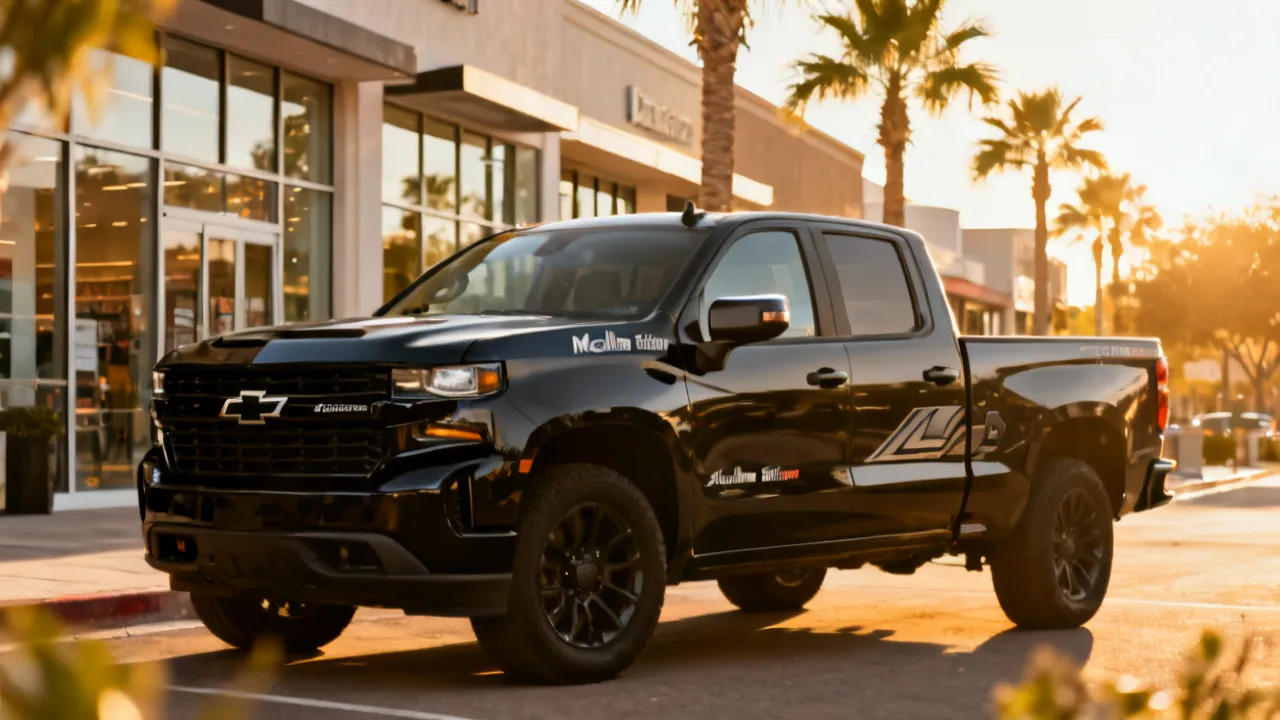
This guide explains how to evaluate and source a Chevy Silverado Mcallen Edition nearby, with a focus on trims, condition checks, pricing structure, and supplier credibility. It sets neutral expectations around what the “Mcallen Edition” label typically implies, then outlines practical steps for comparing listings, verifying equipment, and preparing for local ownership considerations.
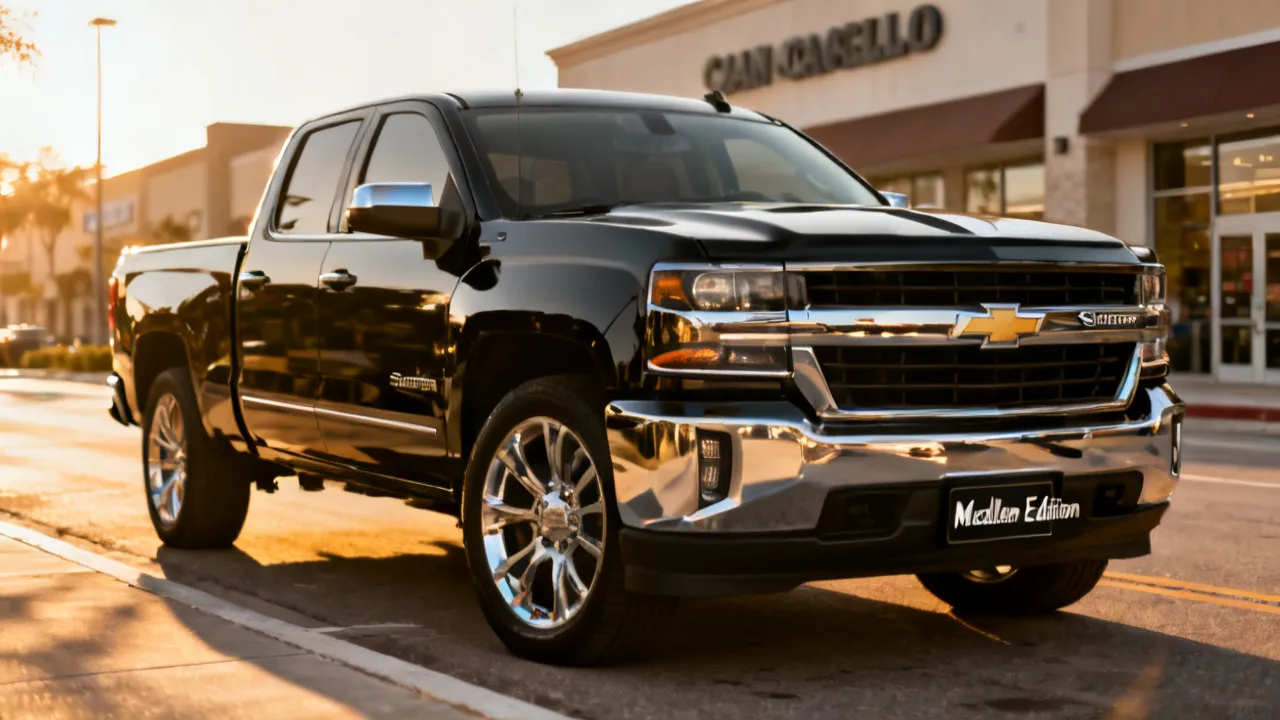
This guide helps you evaluate the Chevy Silverado McAllen Edition for everyday driving, heat-tough comfort, and resale value in the nearby McAllen area. Objectively, the term “McAllen Edition” typically signals a region-tailored trim and accessory mix, while Silverado platforms prioritize capability and serviceability. You’ll find practical selection criteria, supplier considerations, and requirement checklists before you decide.
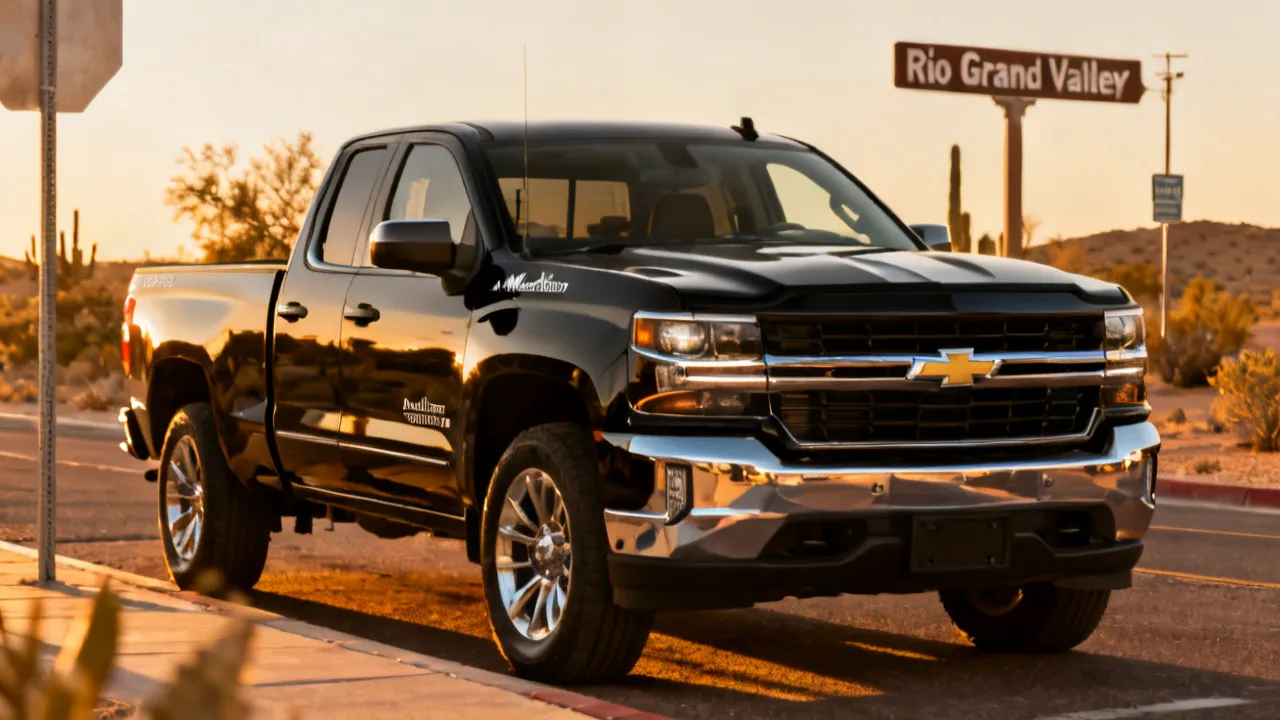
This guide helps you evaluate a Chevy Silverado Mcallen Edition for nearby buyers, focusing on trims, sourcing options, pricing variables, and ownership fit. It outlines objective background on what “Mcallen Edition” typically implies in the market, how dealers and distributors structure availability, and what to verify before committing—especially for Texas-area road use.
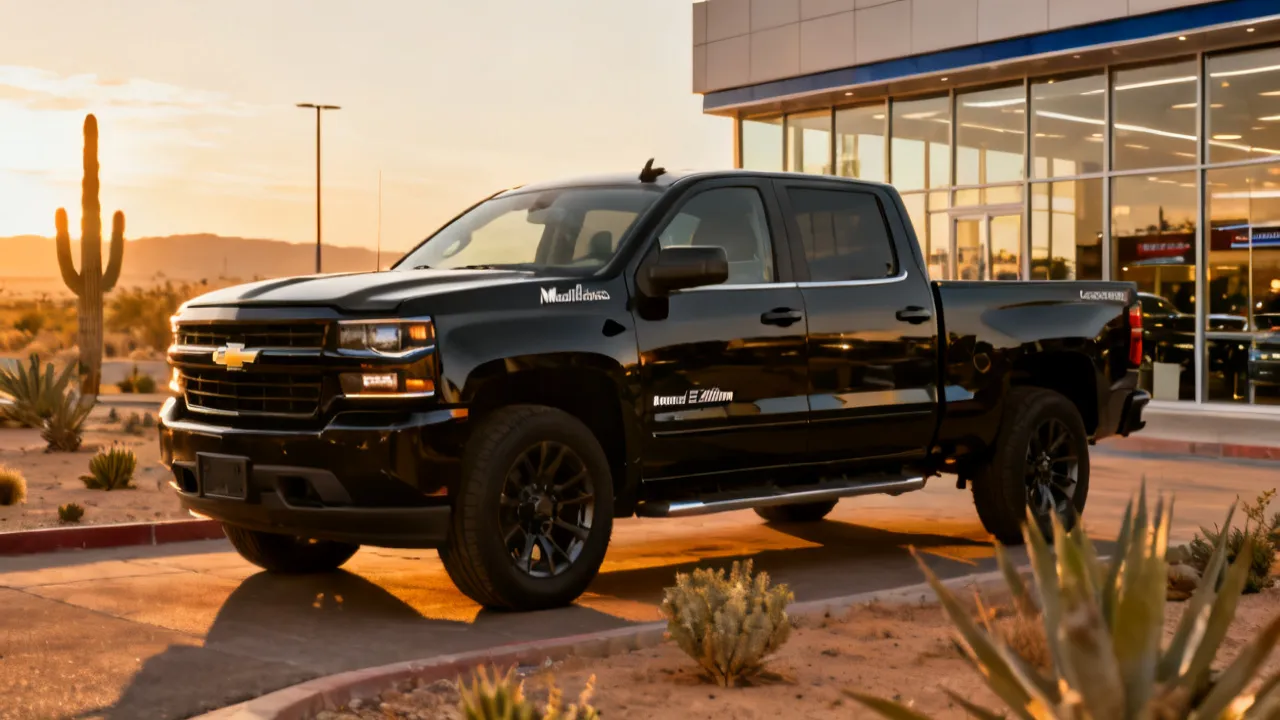
This guide explains how to evaluate a Chevy Silverado Mcallen Edition deal for buyers looking in the nearby Rio Grande Valley market. It reviews what “Mcallen Edition” typically means in trim and equipment terms, how local availability and pricing dynamics can affect your options, and what to verify before purchase—step by step and from an industry perspective.
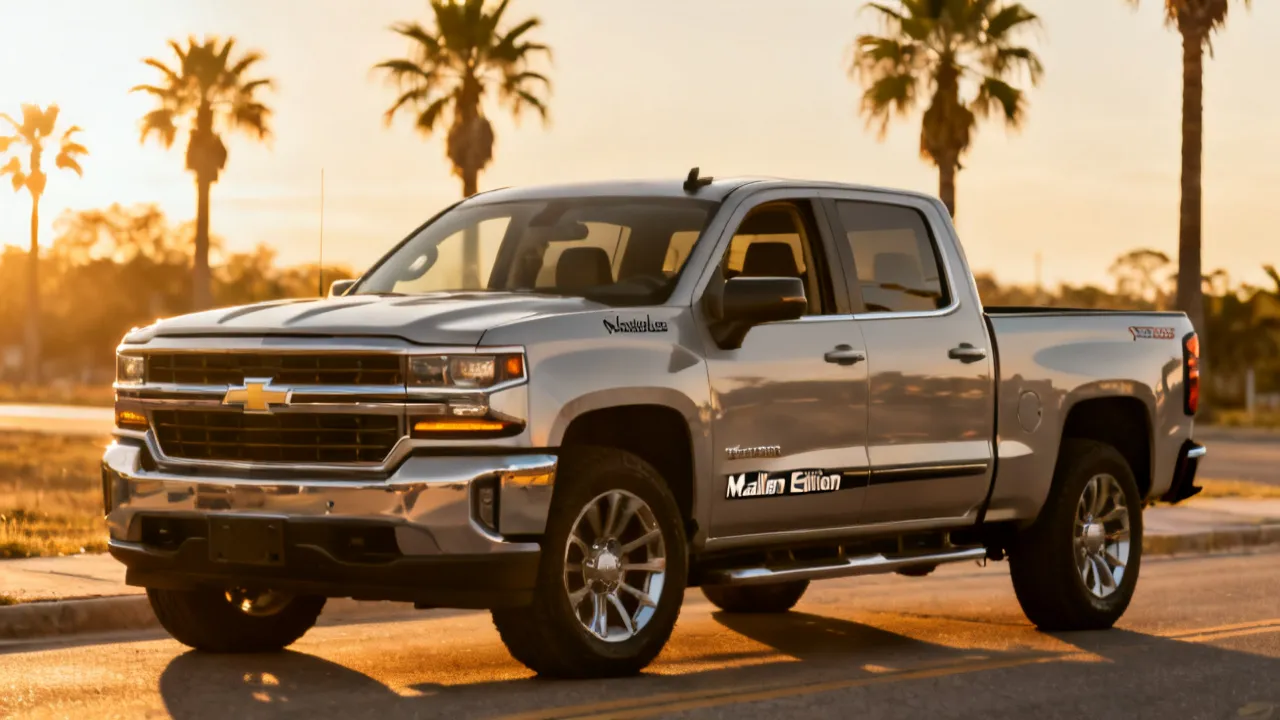
This guide explains how to evaluate a Chevy Silverado Mcallen Edition near you, from trim fit and use-case planning to supplier options and pricing expectations. Background context is also provided on what “Mcallen Edition” typically signals in the market, and how buyers in nearby Texas often prioritize heat-ready comfort and everyday durability. Advice is objective and practical.
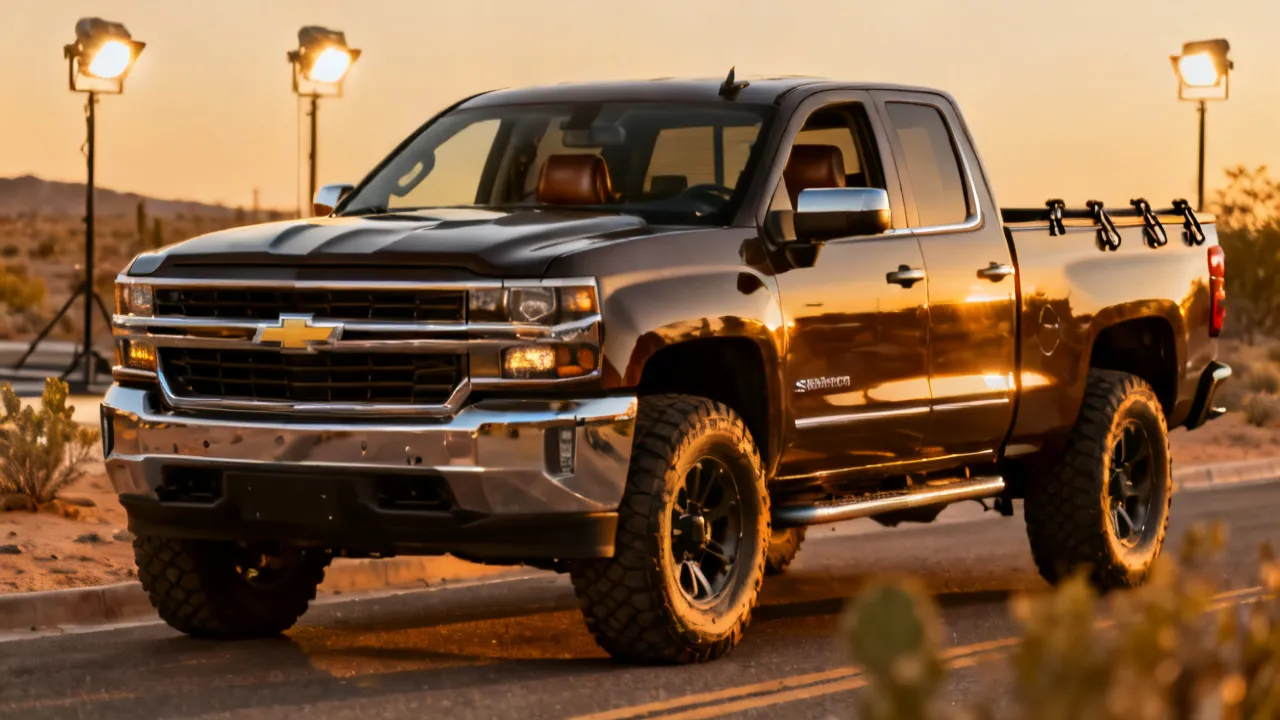
This guide explains what to look for in a Chevy Silverado McAllen Edition, including typical pricing factors, supplier options, and how to evaluate listings near McAllen. It also provides objective background on why local trim, dealer-installed packages, and seasonal demand can change offers. You’ll find a comparison table, requirements, and step-by-step checklist to compare vehicles responsibly.