This guide explains how to evaluate a Chevy Silverado Mcallen Edition deal for buyers looking in the nearby Rio Grande Valley market. It reviews what “Mcallen Edition” typically means in trim and equipment terms, how local availability and pricing dynamics can affect your options, and what to verify before purchase—step by step and from an industry perspective.
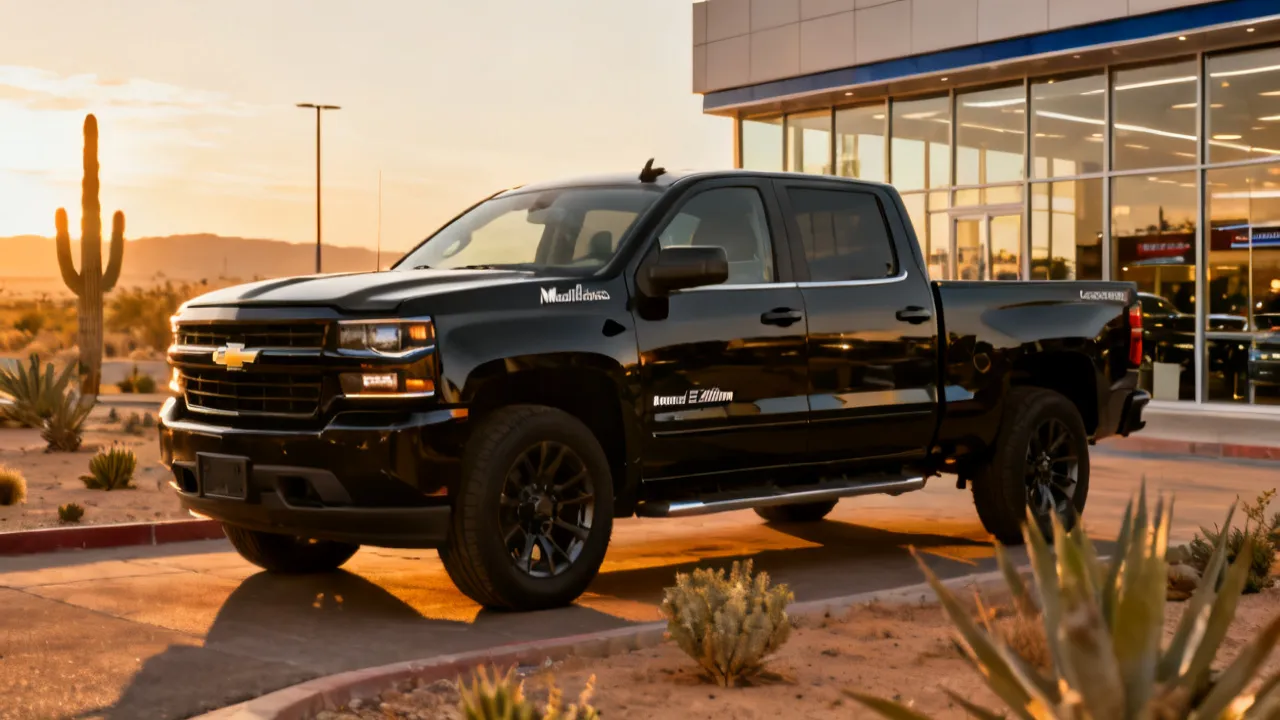
If you’re considering a Chevy Silverado Mcallen Edition, the smartest approach is to confirm what the “Mcallen Edition” package includes, validate the truck’s condition and history, and compare total out-the-door costs rather than focusing on headline pricing. In the nearby Rio Grande Valley area, inventory turnover and regional buyer preferences—often tied to heat, road conditions, and work-to-family versatility—can influence what you see on lots and what’s actually worth paying for.
From an industry standpoint, the very effective way to reduce risk is to treat this purchase like a sourcing and specification verification project: align your priorities (engine, drivetrain, towing needs, cabin comfort, and appearance package) with documented vehicle details, then cross-check condition with evidence (inspection, service history, and vehicle-specific records).
That “project mindset” matters because “Mcallen Edition” is typically not a single, universally standardized factory designation across every dealer and model year. It can function like a marketing shorthand, a locally popular appearance combination, or a dealer-specific bundle. So your job as a buyer is not to trust the label alone—it’s to verify what the label corresponds to in real, VIN-backed equipment lists.
“Mcallen Edition” is commonly used in the market as a shorthand for an equipment and appearance configuration that resembles a locally popular set of features. However, it’s important to note that the phrase can vary by dealer, model year, and listing format. For buyers, the goal isn’t to rely on the label—it’s to confirm the exact trim and option content behind it.
When you evaluate a Chevy Silverado Mcallen Edition, ask for clarity on at least these categories:
In practice, “edition” language can be used in at least four ways, and your verification questions should adapt accordingly:
Because the outcome matters for resale, safety, and ownership costs, you should treat each of those four scenarios differently. In all cases, you still want VIN-based confirmation; but for dealer builds or appearance-focused bundles, you must go further and confirm what is OEM versus aftermarket and whether any changes were done correctly (alignment, warranty implications, sensor compatibility, and tire sizing accuracy).
Because you requested to incorporate “price information” but did not provide specific figures, the very objective way to address price is to frame it as a comparison process. In the used and retail market, price differences often reflect demand for certain engines, mileage bands, and equipment. In other words, two listings that look similar may not be comparable if one has higher-value options, lower miles, or a cleaner service record.
To evaluate a Chevy Silverado Mcallen Edition listing fairly, compare three layers of cost:
If a deal appears unusually low, treat it as a red flag until verified. In industry practice, pricing that deviates significantly from comparable inventory usually correlates with salvage history, undisclosed damage, missing service records, mechanical wear, or cosmetic damage not fully shown in photos. The buyer-friendly move is to request specifics and documentation, not to assume a “too good to be true” deal is simply a bargain.
Here’s a practical way to keep price evaluation grounded and repeatable:
Even without quoting exact numbers, you can still apply the math: the best value is usually the truck that minimizes total cost of ownership and maximizes certainty (clear history, verified options, and consistent maintenance), not merely the one with the lowest sticker price.
For a Silverado used in the near Rio Grande Valley region, buyers often care about heat exposure, dust ingress, and how previous owners used the truck (commuting, towing, hauling, or worksite time). Those factors matter because they affect wear on cooling components, tires, suspension bushings, brakes, and cabin filtration systems.
Before committing to a Chevy Silverado Mcallen Edition, verify the following:
“Condition verification” should also include checks that are especially meaningful for Texas-area ownership, where heat and long drives can reveal problems that might not appear in milder climates:
Also consider how “edition” styling may mask wear. For instance, flashy wheels and fresh-looking tires can still hide worn suspension components. Likewise, a clean exterior can coexist with a neglected drivetrain if maintenance records are missing. A proper inspection cuts through those uncertainties.
In the nearby Rio Grande Valley market, buyers often prioritize a truck that can handle both daily driving and weekend plans—whether it’s commuting, family travel, or hauling tools for projects. Weather and road conditions can influence preferences for:
When you shop “near you,” the advantage isn’t only convenience—it’s also that local dealers and sellers may have inventory that reflects your real climate and local use patterns. A truck that spent its entire life in the same region can show wear patterns that are more predictable. For example, an area with lots of sun exposure and road dust can affect paint longevity, rubber seal aging, and filter clogging rates.
At the same time, “nearby” doesn’t automatically mean “better value.” Inventory can be priced aggressively when demand is high, or it can be overpriced if dealers expect local buyers to pay a premium for availability. That’s why you should compare not only within the same city but also across similar inventory with verification of trim and mechanical baseline.
Because inventory changes quickly, the “top” Chevy Silverado Mcallen Edition may not be the one with the very attractive photos—it may be the one that matches your needs precisely and has verifiable condition and records.
The phrase “supplier details” wasn’t explicitly specified with names or addresses, so the very responsible route is to explain what to ask about, how to assess seller credibility, and what requirements to insist on before purchase. In an industry-focused buying process, the seller is part of your risk equation—especially when listings use informal package names like “Mcallen Edition.”
Look for the supplier to provide:
If a seller cannot clearly define what the edition package includes or avoids documentation, that’s a strong reason to pause. A buyer should not have to chase basic facts. In a strong transaction, the seller should help you move from “marketing label” to “verified specification.”
To make supplier evaluation practical, you can use a short credibility checklist:
If you’re buying from a private party, the same principles apply—except the documentation expectations are even more important. You may need to coordinate inspection scheduling, confirm title status, and ensure that paperwork is clean. A local purchase is not inherently safer; it’s just typically easier to verify and inspect before closing.
Industry professionals commonly see patterns in how edition-labeled vehicles are marketed. The highest-confidence deals tend to have a stable chain of evidence: the listing matches the VIN-specific build details, option content is verifiable, and the vehicle’s service history aligns with its mileage and wear profile.
When evaluating a Chevy Silverado Mcallen Edition, experts typically focus on:
There’s also a subtle but important “expert lens” to consider: coherence. The truck should “make sense” as a whole. For example:
When coherence is missing—such as premium-looking branding without matching build content—it’s a sign to dig deeper. The cost of extra verification is usually far less than the cost of buying a truck that’s not what you believed it was.
| Category | What to Compare for a Chevy Silverado Mcallen Edition | Conditions / Requirements to Confirm |
|---|---|---|
| Trim & Package Content | Does the listing’s “Mcallen Edition” match confirmed trim and option groups? | Request VIN-based option confirmation; ensure badging and equipment are consistent with paperwork. |
| Mechanical Condition | How does the truck perform on a short drive and diagnostic check? | Pre-purchase inspection; verify no stored diagnostic trouble codes; check brakes, suspension, and cooling. |
| History & Title Status | Is there consistent reporting of prior ownership and any reported incidents? | Review vehicle history report; confirm title status and any disclosed damage/repairs. |
| Local Fit (“Nearby” Use Cases) | Does the drivetrain choice suit your typical roads and plans in the nearby area? | Match 2WD vs 4WD expectations; confirm tire type and tread suitable for your driving patterns. |
| Seller Credibility | Does the supplier provide clear documentation and support third-party inspection? | Written summary of included equipment/warranties; allow independent inspection before closing. |
| Total Cost | Does the deal consider out-the-door costs and ownership impact? | Itemized fees and taxes; confirm warranty terms; estimate insurance and fuel expectations based on configuration. |
Use this table as your internal scoring guide when comparing multiple listings. If a listing looks attractive but fails one of the “Requirements to Confirm,” it’s not necessarily a “no,” but it is a “pause until verified.”
This step-by-step approach is designed to keep your process objective and repeatable when you shop for a Chevy Silverado Mcallen Edition nearby.
To make this even more actionable, consider adding a timeline to your process:
This timeline prevents “decision pressure,” which can cause buyers to overlook verification steps. A confident purchase is usually the result of organized steps, not fast emotion-based decisions.
Requirements vary by seller and financing terms, but these are practical expectations in a responsible transaction for a Chevy Silverado Mcallen Edition:
Beyond those basics, smart buyers also expect clarity about warranty coverage and “who pays if something fails.” If a dealer offers a warranty, confirm whether it’s a dealership-backed plan, the manufacturer’s program, or an aftermarket warranty. Each can have different coverage rules, labor limits, deductible amounts, and claim procedures.
In addition, if the truck has aftermarket upgrades (wheels, tires, lift kits, exhaust, custom lighting), expect documentation of what was installed, when it was installed, and whether it passed alignment or sensor calibrations. If those questions can’t be answered, you may need additional inspection time or ask for proof (receipts, alignment reports, or installation notes).
It can be, but not always. In many listings, “Mcallen Edition” functions as a marketing label for a package of features. The reliable method is to verify trim and options using the VIN-specific details from the seller or supporting documentation.
One way to clarify this quickly is to ask: “Can you provide the VIN and the window sticker or an option list report?” If the seller provides those and they match the photo-based “edition” claims, you can be more confident. If they cannot, treat the edition name as unverified marketing until proven.
Start with drivetrain and option content: engine choice, 2WD vs 4WD, towing-related equipment, and driver-assistance features. Then compare condition evidence—service records, inspection results, and verified history—before considering minor cosmetic differences.
For many buyers, it helps to create a “top five” features list based on personal use. Examples include: tow hitch and integrated trailer brake, cooled seats for hot weather driving, adaptive cruise for long highway stretches, rear camera system clarity, and heated steering wheel for comfort. Then you compare trucks against that list rather than chasing the most visually “edited” photos.
Ask for the VIN and request an option/build summary. Also request written detail on equipment included (wheels, infotainment, lighting, and safety features). A trustworthy supplier will provide documentation consistent with the vehicle’s identification.
Be careful with photos that show what looks like premium equipment but may not confirm functionality. For example, some packages can have similar-looking exterior components while differing inside (screen size, gauge cluster, or specific driver-assist features). VIN-based documentation removes that ambiguity.
Yes. In practice, independent inspections are one of the highest-impact steps for reducing risk. They can identify issues that aren’t obvious in photos—such as cooling system problems, suspension wear, and diagnostic trouble codes.
Also consider a more targeted approach: ask the mechanic to place emphasis on cooling, powertrain mounts, front-end wear, brake thickness and condition, and any signs of water intrusion. In a hot, dust-heavy region, cabin seal and filtration issues can also become more noticeable over time.
Out-the-door costs depend on taxes, registration, and dealership fees. Ask for an itemized worksheet so you can compare offers apples-to-apples rather than relying on the listed price alone.
When you request an itemized sheet, ask the seller to include the documentation fee, any add-on products (service plans, gap coverage, paint protection), and any charges for dealer-installed accessories. Sometimes add-ons are optional, but the buyer needs to confirm in writing whether they are required or discounted.
It depends on your real driving patterns. If you frequently drive on rough surfaces or need traction for work or seasonal conditions, 4WD can be useful. If your routes are veryly smooth and predictable, 2WD may offer a simpler ownership profile. The top choice matches your use case, not just the listing name.
To decide logically, ask yourself: how often do you actually engage 4WD? If the answer is “rarely,” the extra complexity may not deliver value proportional to your usage. If the answer is “often,” then 4WD becomes part of your reliability plan, but you should still verify that the system works correctly—especially if the truck has sat or had inconsistent maintenance.
Use objective verification: VIN-based option confirmation, vehicle history review, transparent pricing, and inspection documentation. Avoid deals that refuse third-party inspection or won’t provide clear records.
Red flags tend to cluster. Examples include: refusing to provide VIN/options, insisting that you buy immediately, offering vague explanations for missing history, or quoting a price that changes after you ask for out-the-door calculations. A scam or misleading listing almost always struggles under verification.
Treat vagueness as a prompt for clarification. Ask specific questions about trim, towing package, safety features, and any known repairs. If the seller cannot provide answers in writing, it’s reasonable to move on.
When asking questions, avoid “yes/no” prompts only. Instead, request specifics: “Which infotainment package?” “Does it include blind-spot monitoring?” “What drivetrain is it—2WD or 4WD—and what axle ratio?” If the seller can’t answer with precision, that’s not necessarily suspicious, but it often correlates with a truck that hasn’t been accurately represented.
For general market and vehicle data methodology, it’s useful to reference reputable industry research and official documentation. For example, the U.S. Bureau of Labor Statistics tracks consumer price measures that can inform broad pricing environment context, while industry bodies and OEM service resources provide maintenance guidance relevant to vehicle ownership planning. For vehicle-option verification, VIN-based builds are typically aligned with OEM records and dealership tooling.
In addition to general market context, consider using official OEM resources (owner’s manuals, warranty coverage guidance, and service schedule references) to understand what maintenance items should have been performed by mileage. If the service records do not align with the expected schedule, that mismatch becomes a negotiation lever—or a reason to walk away.
Next top action: If you share the year range, mileage, engine type, and whether you’re open to 2WD or 4WD, I can help you build a precise comparison checklist for the Chevy Silverado Mcallen Edition options you find nearby—without relying on vague package descriptions.
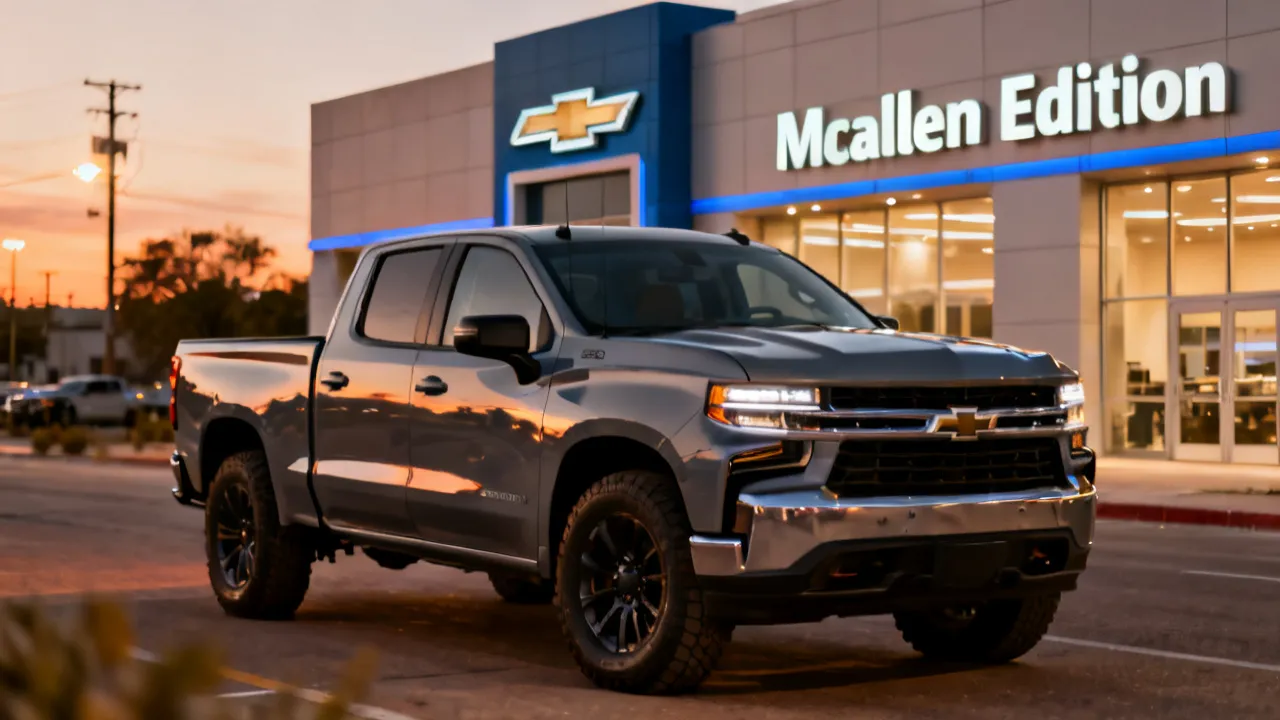
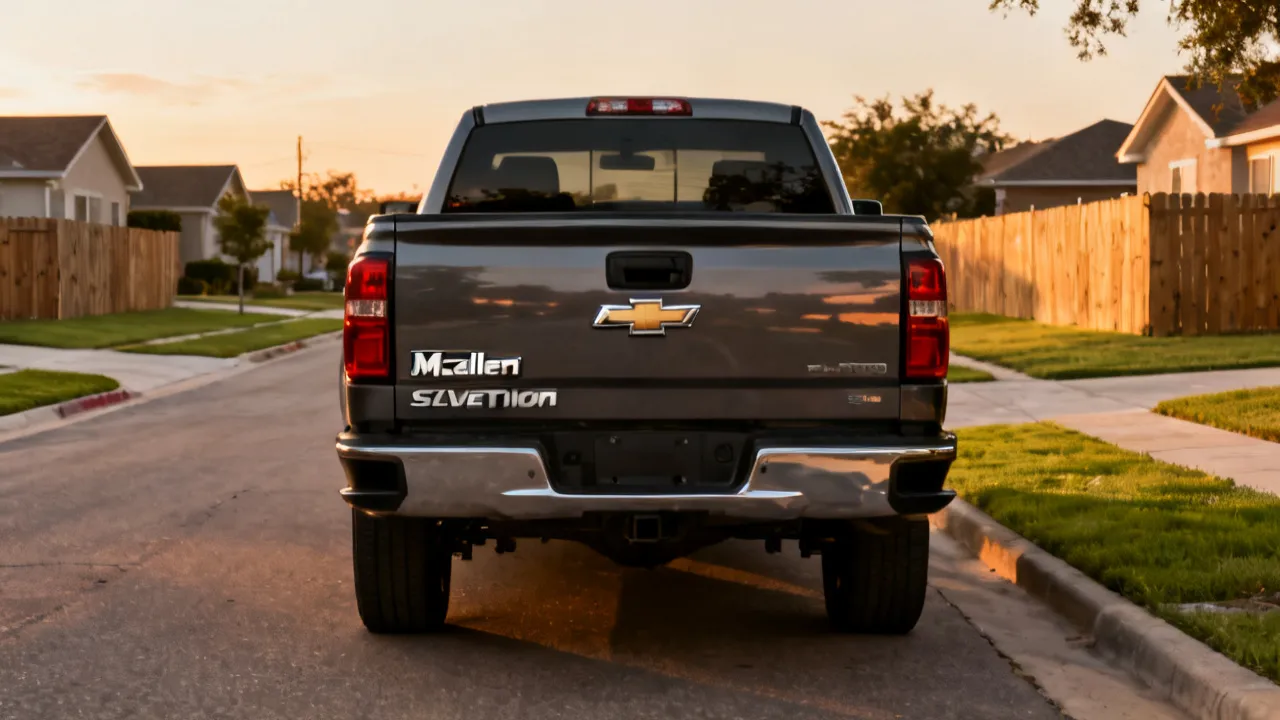
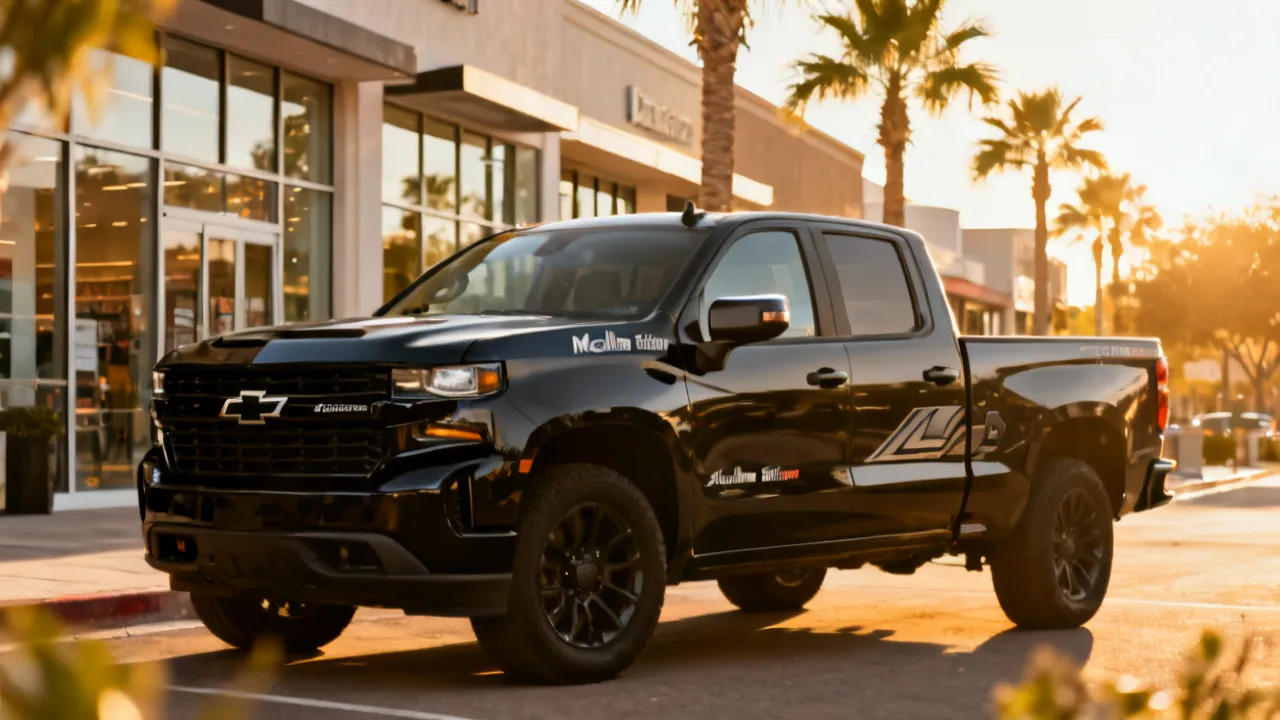
This guide explains how to evaluate and source a Chevy Silverado Mcallen Edition nearby, with a focus on trims, condition checks, pricing structure, and supplier credibility. It sets neutral expectations around what the “Mcallen Edition” label typically implies, then outlines practical steps for comparing listings, verifying equipment, and preparing for local ownership considerations.
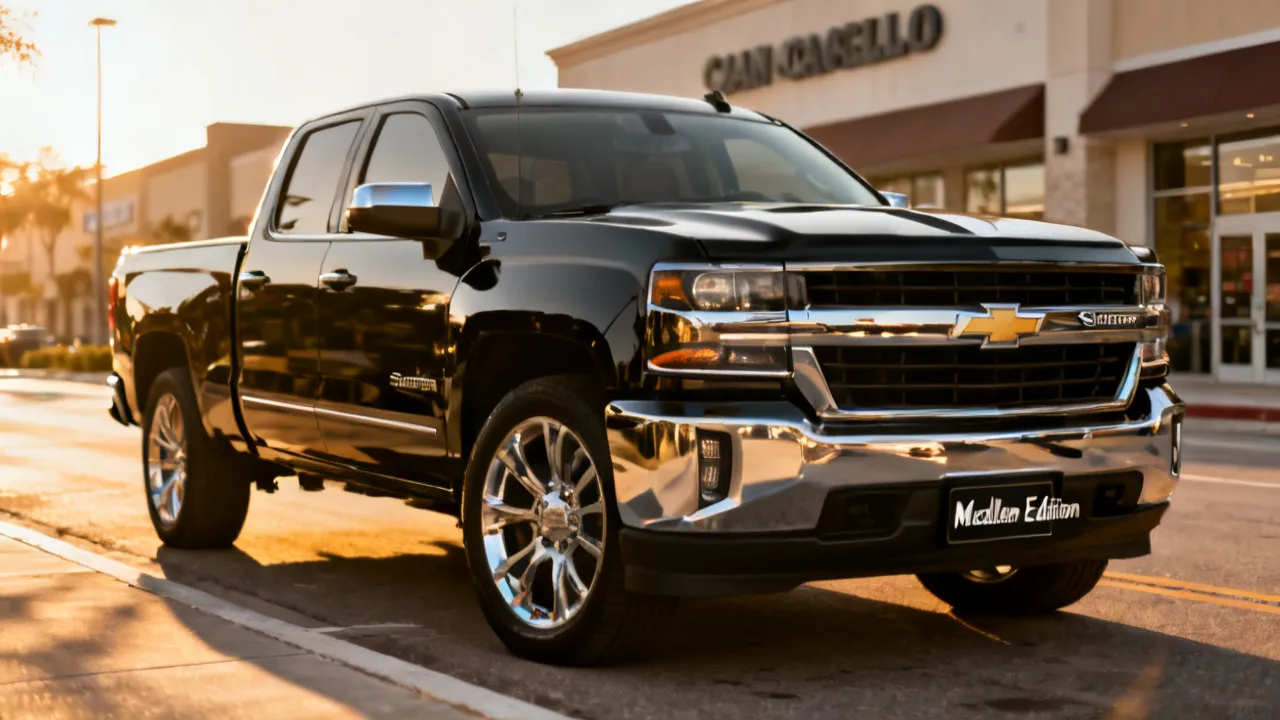
This guide helps you evaluate the Chevy Silverado McAllen Edition for everyday driving, heat-tough comfort, and resale value in the nearby McAllen area. Objectively, the term “McAllen Edition” typically signals a region-tailored trim and accessory mix, while Silverado platforms prioritize capability and serviceability. You’ll find practical selection criteria, supplier considerations, and requirement checklists before you decide.
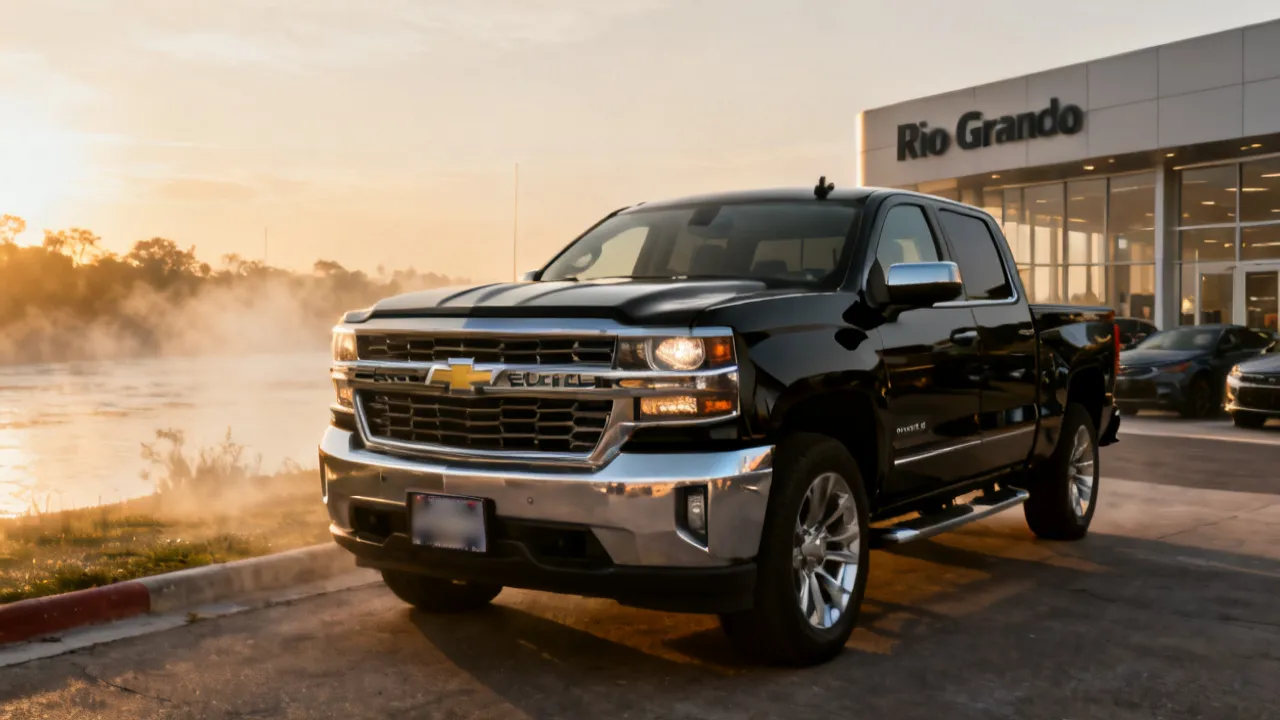
This guide helps you evaluate a Chevy Silverado McAllen Edition by focusing on what to inspect, how to compare trims, and what to verify in listing details before you buy. It provides neutral background on the Silverado platform, typical regional buyer priorities, and the documentation steps that protect you during purchasing. Built for nearby drivers who want clarity.
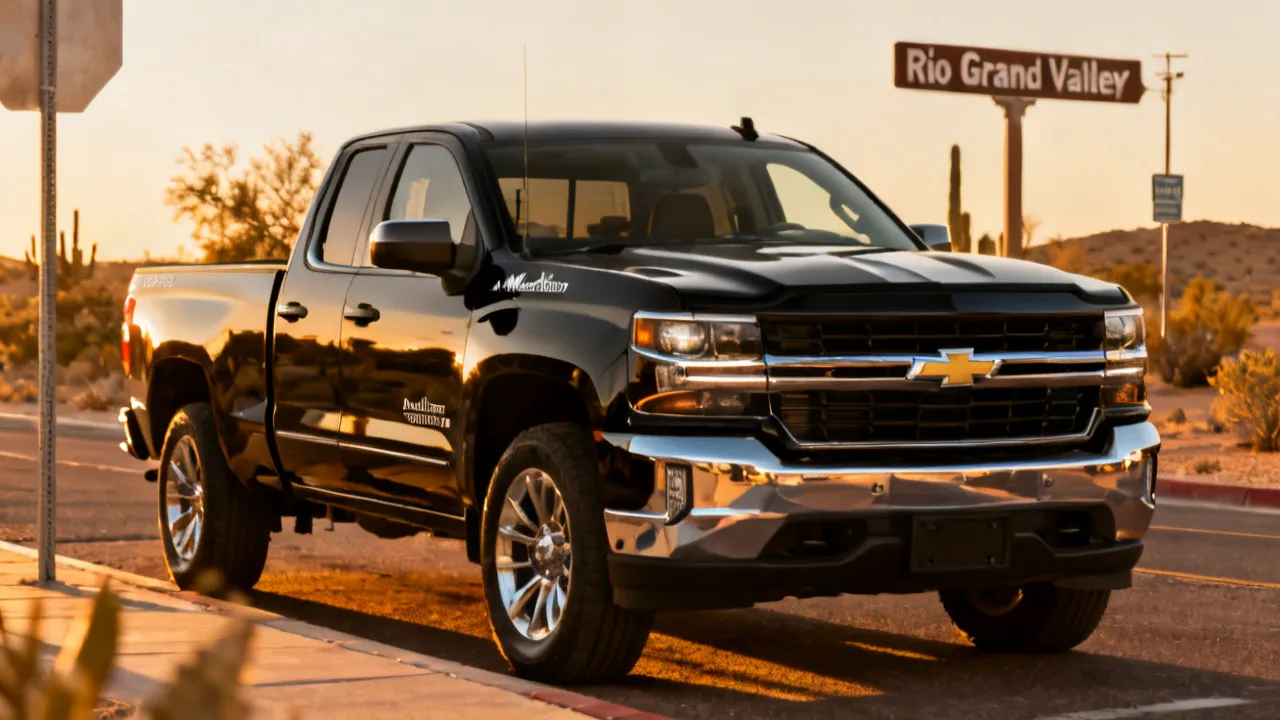
This guide helps you evaluate a Chevy Silverado Mcallen Edition for nearby buyers, focusing on trims, sourcing options, pricing variables, and ownership fit. It outlines objective background on what “Mcallen Edition” typically implies in the market, how dealers and distributors structure availability, and what to verify before committing—especially for Texas-area road use.
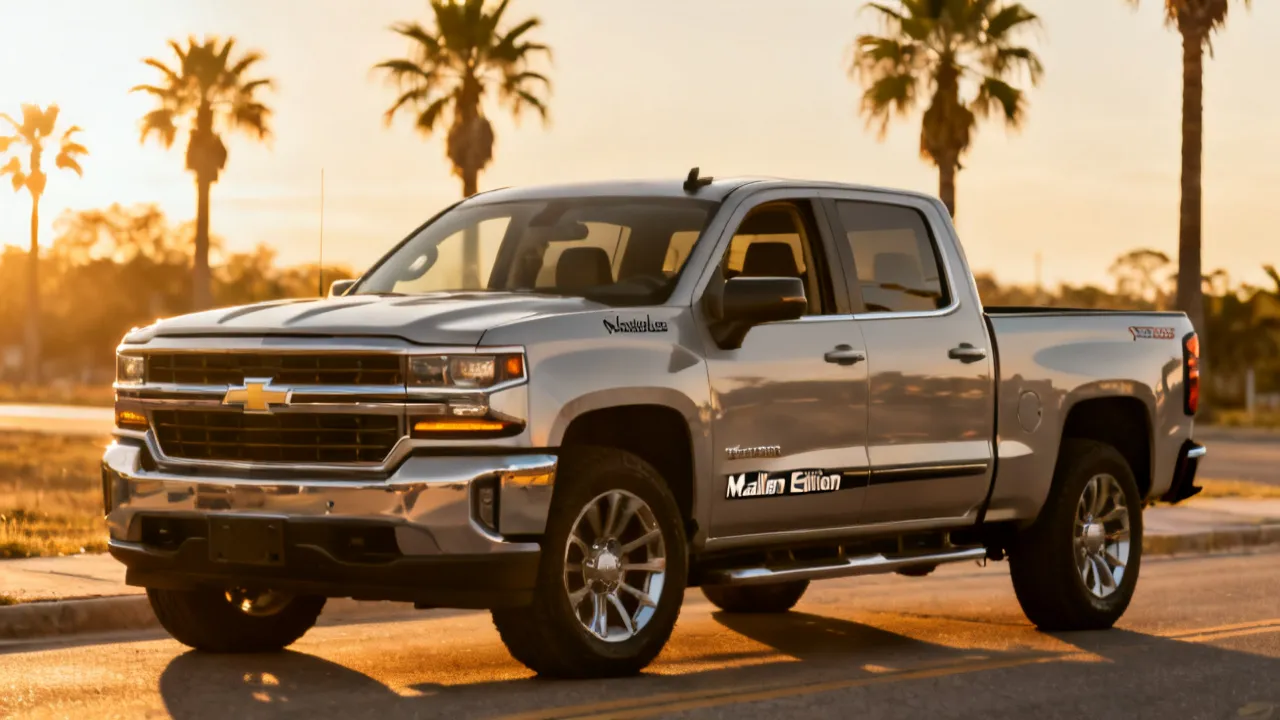
This guide explains how to evaluate a Chevy Silverado Mcallen Edition near you, from trim fit and use-case planning to supplier options and pricing expectations. Background context is also provided on what “Mcallen Edition” typically signals in the market, and how buyers in nearby Texas often prioritize heat-ready comfort and everyday durability. Advice is objective and practical.
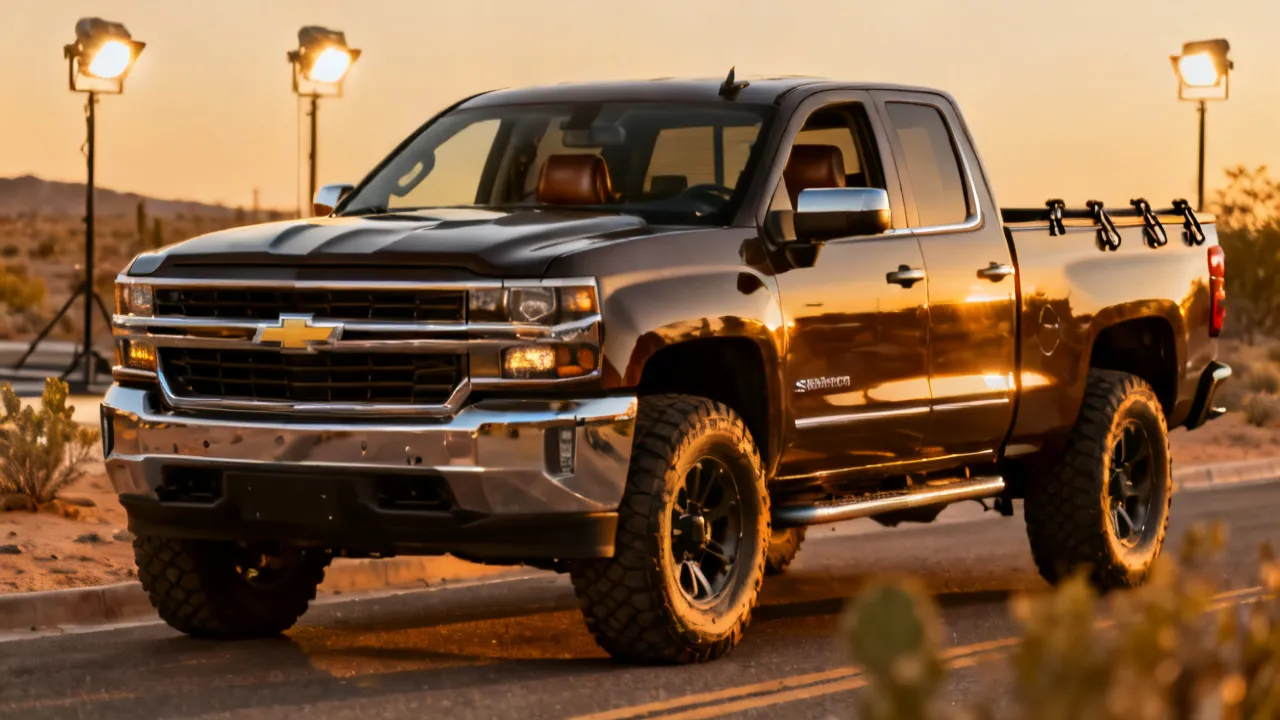
This guide explains what to look for in a Chevy Silverado McAllen Edition, including typical pricing factors, supplier options, and how to evaluate listings near McAllen. It also provides objective background on why local trim, dealer-installed packages, and seasonal demand can change offers. You’ll find a comparison table, requirements, and step-by-step checklist to compare vehicles responsibly.