This guide explains how to evaluate a Chevy Silverado McAllen Edition with a practical, Houston-independent (nearby) approach to pricing, supplier fit, and equipment decisions. It provides objective background on why “edition” trims matter, which specs typically influence resale and ownership cost, and what to verify before committing.

If you’re considering a Chevy Silverado McAllen Edition, the smartest first step is to confirm—line by line—what makes this “edition” distinct in your listing: the exact trim level, drivetrain details, options package, and condition history. Edition naming can look simple, but what you actually get (wheels, interior appointments, audio, towing hardware, safety tech) can vary by model year, supplier, and build configuration.
From an expert buyer’s perspective, the fastest path to confidence is to treat the purchase like a spec audit: validate the VIN, match the build sheet to the features being advertised, and confirm whether any wear-and-tear items have been addressed by the supplier. That approach protects you from two common problems: (1) paying a “bundle” price for equipment that isn’t truly present and (2) assuming that because the truck looks nice, the mechanical baseline is equally sound.
The phrase Chevy Silverado McAllen Edition generally signals a package that is meant to appeal to local preferences—often focusing on comfort, appearance, and everyday usability for drivers who spend time on Texas highways and suburban roads. While the exact content depends on the particular listing, the core value of an “edition” is that it bundles recognizable equipment rather than leaving every choice to the buyer.
For an objective evaluation, think in three buckets:
In real ownership terms, “edition” packages are often designed to reduce decision fatigue for buyers: you get a curated combination of equipment rather than a confusing list of standalone options. But the buyer still needs to do the homework—because “curated” doesn’t always mean “complete,” and the truck that looks like the advertised package may have been changed in service (wheels swapped, speakers replaced, head units updated, or badges/trim refreshed).
It’s also worth noting that the name “McAllen Edition” may be used differently across sellers. Some listings treat it as a branded trim package with consistent equipment; others use it as shorthand to describe a style/feature blend aimed at that market. That means two trucks both called “McAllen Edition” could be meaningfully different. Your goal is to remove uncertainty by tying everything to what the VIN and actual physical inspection show.
Pricing for a Chevy Silverado McAllen Edition is influenced by factors that buyers can verify: model year, mileage, trim equivalence, drivetrain, regional demand, and condition. Because listings can differ substantially, any meaningful pricing check should focus on comparable vehicles with:
In practice, the “headline price” becomes trustworthy only after you compare the actual option set. Ask the supplier to provide a window-sticker equivalent or a detailed features list that matches the VIN. If the listing can’t clearly support the advertised edition components, treat the price as less informative.
To make pricing comparisons more accurate, focus on the variables that tend to move the market the most:
A practical buying mindset is: price is a function of equipment and verified condition. If you can’t verify equipment, price becomes a guess. If you treat the advertised “edition” label as verification, you’ll likely get surprised later—sometimes by hidden mechanical issues, sometimes by missing convenience items that you assumed were included.
Even when two trucks share the same label, the supplier’s quality of inspection and documentation often determines the difference between a smooth ownership experience and a frustrating one. An expert sourcing strategy asks whether the supplier can provide transparent, verifiable information.
When you contact a seller or dealership offering the Chevy Silverado McAllen Edition, look for evidence of:
Supplier fit is also about communication speed and specificity. A high-quality supplier will typically do two things well:
If a supplier seems reluctant to provide VIN details, refuses to confirm the option set, or only offers vague claims, that’s a risk signal. Trucks are expensive, but your time is expensive too. The best deals come from processes that reduce uncertainty rather than processes that rely on your trust.
Before negotiating, build a short checklist you can use immediately. If any requirement below is missing, delay the decision until it’s resolved. Edition trims often tempt buyers with “value,” but the verification steps are what protect good cost and resale confidence.
Think of this as an inverted pyramid: the bigger risks sit at the base. If those aren’t addressed—VIN match, inspection evidence, ownership documentation—everything else is secondary.
| Stage | Condition / Requirement | What You Should Ask For | Why It Matters |
|---|---|---|---|
| Listing validation | VIN match to advertised trim | VIN, trim confirmation, option list tied to VIN | Prevents receiving a different configuration than expected |
| Technical baseline | Inspection evidence | Inspection checklist or service notes | Identifies wear patterns early (tires/brakes/cooling) |
| Ownership planning | Maintenance and repair record clarity | Service history and key repair documentation | Improves predictability of future costs |
| Value protection | Comparable feature match | Comparison to similar trucks on the market | Ensures price reflects equipment, not just the label |
Use this step-by-step process to evaluate the Chevy Silverado McAllen Edition consistently, whether you’re comparing multiple listings or deciding on one truck.
Buyers often focus on curb appeal, but ownership satisfaction usually depends on how the Chevy Silverado McAllen Edition fits daily use. From an industry standpoint, the following attributes commonly drive perceived value:
One detail many buyers miss is that “value” can change if equipment isn’t functional. A non-working camera or intermittent sensor system can reduce daily convenience and add repair cost. Similarly, seats that look good but have worn motors or torn leather can affect comfort and can be difficult to repair cosmetically.
So instead of only asking “Does it have the features?”, ask “Do the features work like they should, and were they maintained?” That’s where the best ownership outcomes typically come from.
For shoppers in the Rio Grande Valley area—often described as “nearby” in broader regional searches—vehicle needs tend to reflect a blend of highway driving, suburban commutes, and frequent daily stop-and-go. That context matters when you evaluate a Chevy Silverado McAllen Edition because:
Many local shoppers also prioritize trucks that look ready for work but feel comfortable for family use—an approach that aligns with how many edition packages are curated. However, the “work-ready” look can sometimes distract from important baseline issues like brake condition or suspension wear. Your checklist should remain consistent regardless of whether the truck is styled for work or styled for comfort.
To avoid being misled by wording, compare the typical “edition promises” to the specific checks you should perform on the actual vehicle.
| What the Listing May Emphasize | What to Verify in Person | Documentation to Request | Decision Impact |
|---|---|---|---|
| Appearance upgrades | Condition of wheels, tires, and trim; paint consistency | Inspection notes; photos of key surfaces | Cosmetic issues can signal deeper repair history |
| Cabin comfort | Seat wear, headliner condition, dashboard condition | Condition report | Comfort and resale often track with interior condition |
| Infotainment features | Audio clarity, screen responsiveness, camera performance | Feature list tied to VIN | Electronics affect both daily usability and value |
| Convenience tech | Radar/sensor cleanliness, alert behavior, calibration if applicable | Maintenance record where available | Incorrect calibration can reduce functionality |
Industry professionals often emphasize that the top deal is frequently the one with the very reliable pre-sale process. For a Chevy Silverado McAllen Edition, consider how the supplier handles:
A strong pre-sale process also reduces the chance that you’ll pay for basic repairs immediately after purchase. For example, a seller may clean the truck and replace a surface defect, but if the brakes are near the end of service life, you’ll still need to budget for rotors/pads soon. Similarly, if the AC has been topped off without addressing a leak, it may cool well temporarily and then fail later during summer use.
When a supplier can’t show inspection steps or service notes, your risk increases. In that scenario, the better decision is to slow down, request documentation, or use a third-party inspection to fill the information gap.
Across the automotive industry, manufacturers and dealers use trims and “edition” branding to streamline consumer choice and create recognizable feature groupings. This approach reduces ambiguity for buyers who want a specific blend of styling and equipment. However, the market also contains variation: similar-sounding trims may differ across years and configurations.
For buyers evaluating a Chevy Silverado McAllen Edition, the objective takeaway is that edition branding should be treated as an entry point—not the final proof. Proof comes from VIN-linked features and a credible condition assessment.
There are also business reasons behind edition-style naming. Sometimes edition-like packages are assembled by dealers after trade-in acquisition—meaning the “edition” can reflect dealer-installed accessories and selected add-ons rather than factory build. If that’s the case with your listing, it becomes even more important to ask what is installed by the dealer, what is factory original, and what (if anything) affects warranty coverage.
Because edition content and market pricing can shift, buyers should use reputable sources. When checking general pricing trends and vehicle value context, consider references such as:
Use these sources to confirm fundamentals (like drivetrain and trim baseline). Then verify the exact listing through the supplier’s documentation for the particular truck you plan to buy.
It also helps to research common issues relevant to the model year and engine/transmission combination. That doesn’t mean you should avoid the truck entirely—it means you should know what to check during inspection and road test. For example, certain powertrain combinations may have known patterns of cooling wear, exhaust issues, or sensor sensitivity. If you know what to look for, you can ask targeted questions and spot red flags sooner.
Since the McAllen Edition label may emphasize comfort and appearance, many buyers focus mostly on the cabin and exterior. But under-hood condition can determine your ownership experience. Before you commit, do a structured review of the key systems. You can do some of this visually and by simple checks, and then your third-party inspector can go deeper.
In the Rio Grande Valley climate, cooling system and charging health are particularly important. Summer heat puts stress on everything—radiators, fans, coolant composition, and electrical load. If you notice repeated “overheat” warnings or persistent fan cycling during a short stop, that’s a reason to investigate further.
Brakes, tires, and suspension are among the most expensive wear-and-tear items to fix quickly after purchase. Even if the truck drives smoothly today, those components can reveal the future cost profile.
Tires: Start with tread depth, evenness, and age. Look for:
Brakes: Check:
Suspension: You don’t need to be a mechanic to notice obvious issues. Look for:
If the seller has “just replaced the tires,” ask why and whether alignment was done at the same time. “New tires” without alignment often leads to quick repeat wear. Similarly, new brakes might hide a rotor problem if the rotors are thin or warped.
Cabin condition is one of the easiest ways to estimate how the truck was treated. It also affects resale confidence. For a Chevy Silverado McAllen Edition, you should inspect:
Next, evaluate electronics and controls:
Even if the cabin looks clean, hidden problems can exist. For example, a loose trim piece around the screen could indicate prior repair work. Unusual scratches around a console can suggest the truck used for heavy daily tasks. None of those are automatic dealbreakers, but each one should update your understanding of ownership history.
Because edition packages often bundle convenience features, this is where sellers’ wording can mislead if equipment is missing. Instead of trusting screenshots, test the system.
During your inspection and road test, confirm:
Also pay attention to “soft failures.” A screen might show the backup camera but audio may be distorted. Or sensors may appear to work only sometimes. Intermittent behavior can be more expensive than a fully inoperable system because it may indicate a loose connector, calibration issue, or component aging.
If there are any warning lights on the dash, treat them seriously. Ask the seller for the scan report or at least the recorded codes. A quick reset without addressing the cause is not confidence-building.
Even if you don’t currently tow, towing readiness matters because many buyers include it in their priorities. It can also affect resale because buyers often treat a truck’s towing capability as part of its “capability story.”
For towing readiness on a Chevy Silverado McAllen Edition, verify:
If the truck claims towing packages or the edition implies towing capability, confirm the exact items. Don’t rely on a tow hitch alone; a hitch could be added after purchase, and that doesn’t automatically mean the truck has the tow tech or cooling for the capability you might want.
Additionally, check the condition of the bed area where a hitch might have been installed. Signs of holes, mismatched fasteners, or fresh undercoating could indicate prior installation/removal. This can be perfectly fine, but it should be known and considered in your price negotiation.
Edition packages often change wheel and tire appearance, which can change ride feel. That means your evaluation should connect the aesthetic with the mechanical reality.
When inspecting wheels and tires:
During the road test:
If the truck rides oddly, don’t assume it’s “just the tires.” It can be alignment, worn components, or a suspension imbalance. Ride comfort matters day-to-day, especially in the Texas climate where you may drive long distances and feel every impact.
Because edition branding can vary by seller, documentation is what anchors the deal. The goal is to remove ambiguity about:
Ask for:
If a seller claims “all maintenance done,” ask what maintenance and when. If they replaced tires recently, ask whether alignment was performed. If they fixed cooling, ask whether it was hoses, radiator, water pump, or something else. Each scenario has different implications for future durability.
Even if you plan to finance, documentation matters. Financing approval often focuses on credit and income, but your long-term ownership costs will reflect maintenance accuracy and repair history.
Once you’ve verified the edition items and the mechanical baseline, negotiation becomes more rational. Your best leverage is not “I feel like it’s too high.” Your leverage is:
A practical negotiation strategy:
This approach protects you from overpaying and from making an emotional decision. It also helps you justify your offer if the seller pushes back.
Edition naming can create a false sense of certainty. Here are common traps that can affect a Chevy Silverado McAllen Edition buyer:
To avoid these traps, your evaluation should be structured. Use checklists, ask targeted questions, and confirm everything you rely on to justify the price.
Even careful buyers can miss subtle issues. A third-party inspection is especially valuable when the listing details are incomplete, the edition features are unclear, or you’re buying from a distance.
Consider a third-party inspection if:
A good inspector will check systems that a quick walk-around might miss: under-vehicle condition, scan reports, mechanical wear, and signs of prior repairs. The cost of inspection can be small compared to the cost of one major repair you could have prevented.
A test drive shouldn’t be a casual loop around the block. You should drive the truck in ways that reveal mechanical and electronic behavior.
During the road test, include:
Also, test the cabin environment:
If the seller refuses a test drive or tries to shorten it, that’s another risk signal. A serious buyer with a prepared checklist deserves a real evaluation period.
Odors and moisture are not “nice-to-know.” They can be indicators of hidden electrical or mold-related issues that worsen over time. In humid climates, even small moisture intrusions can become a bigger problem.
During your inspection, check for:
If you smell mustiness or find dampness, ask the seller what caused it and whether it’s been fully resolved. A temporary fix (like a cleaner or deodorizer) isn’t the same as repairing the leak source.
Comfort is one of the reasons buyers choose curated editions. But comfort is also subjective. Still, you can make a practical assessment.
To judge ride comfort:
If the truck feels harsher than expected, it could be due to tire type, wheel size, worn suspension components, or alignment. You can confirm by examining tire condition and suspension visually, and by checking for unusual noises on bumps.
Because “McAllen Edition” can be used loosely by sellers, you should verify the edition’s identity during the in-person review. This means:
If you find evidence of missing components—like different wheels, absence of expected trim, or no camera where photos suggest one—ask for an explanation and documentation. Sometimes sellers make honest mistakes; other times they use generic photos from another truck. Either way, you should not proceed without resolving the mismatch.
It typically refers to a bundled configuration of features aimed at everyday comfort and presentation. The exact equipment—such as wheels, interior details, infotainment upgrades, and convenience packages—can vary by model year and supplier setup. Always confirm by VIN-linked feature lists rather than relying on the phrase alone.
Ask the seller for the VIN, then request a detailed feature breakdown that matches the VIN. During inspection, compare the advertised features with what’s physically present (wheels, badges, interior trim, camera/audio functions). A credible supplier will support the claim with documentation or inspection notes.
Not necessarily. Pricing depends on model year, mileage, condition, drivetrain, and how the specific edition compares to nearby alternatives. The correct approach is to compare to comparable vehicles with similar equipment and condition—not just different trim names.
Focus on condition drivers: tire wear and alignment signs, brake condition, under-hood health (including cooling system evidence), and electronics functionality (infotainment and camera/sensors). Then verify paperwork accuracy and history disclosures.
In hot, humid conditions typical of the wider Rio Grande Valley area (often searched as “nearby”), cooling system reliability and cabin comfort become more noticeable over time. Tire wear patterns also matter because tread changes can be faster in challenging pavement conditions.
From a risk-management standpoint, it’s usually better to delay. If edition features aren’t clearly supported for the VIN, you may end up paying for equipment you don’t actually receive.
Create a comparison checklist based on the specific features that matter to you: drivetrain, towing readiness, interior condition, electronics functionality, and tire/brake status. Then compare price only after the equipment set is confirmed.
If the truck is used or the listing details seem incomplete, a third-party inspection is often a prudent step. It helps identify issues that a quick viewing could miss—especially around drivetrain, cooling, and suspension condition.
A Chevy Silverado McAllen Edition can be an appealing choice when its value is backed by accurate documentation and condition transparency. The very effective strategy is straightforward: confirm VIN-linked features, evaluate condition with an objective checklist, compare true equipment rather than branding, and ensure the supplier’s process supports what they claim.
When you follow that approach, you don’t just “buy a truck with a name”—you buy a configuration you understand, can maintain, and can confidently sell later.
Ultimately, the smartest buyer doesn’t chase an “edition” as a marketing label. The smartest buyer uses the edition label as a starting point, then verifies the truck’s real build, real wear, and real history—so the decision is based on facts, not assumptions.
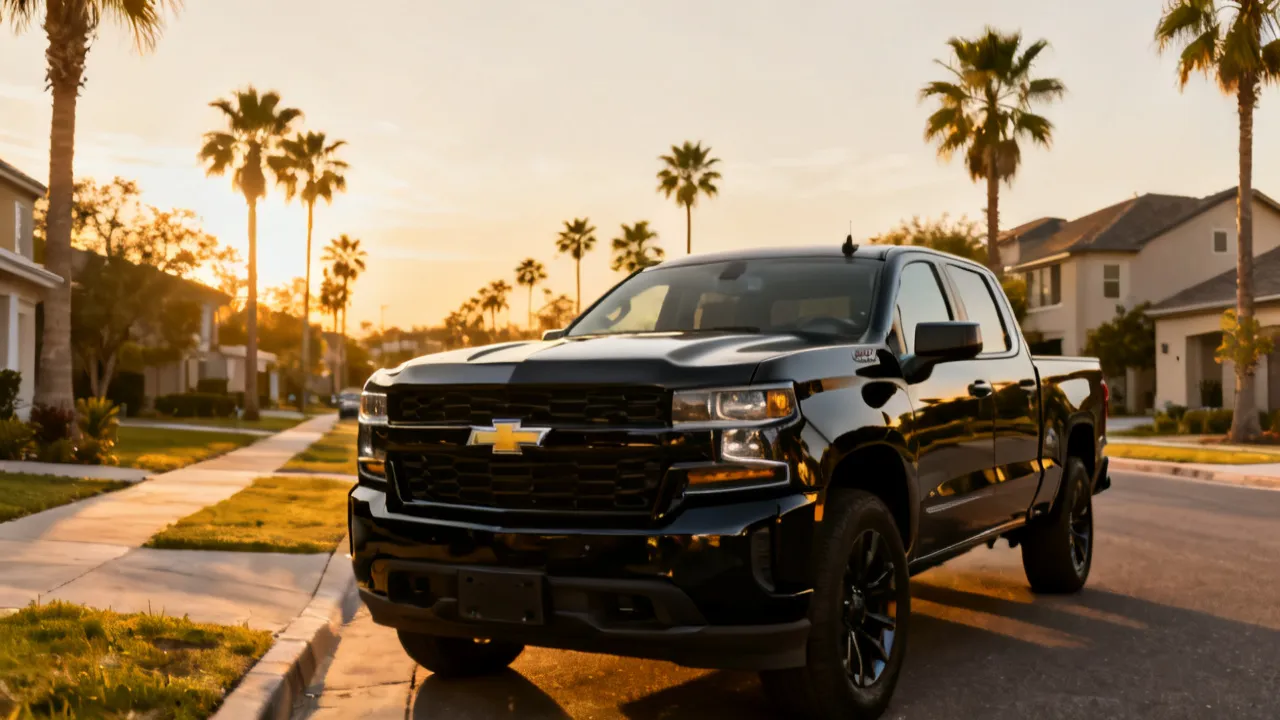
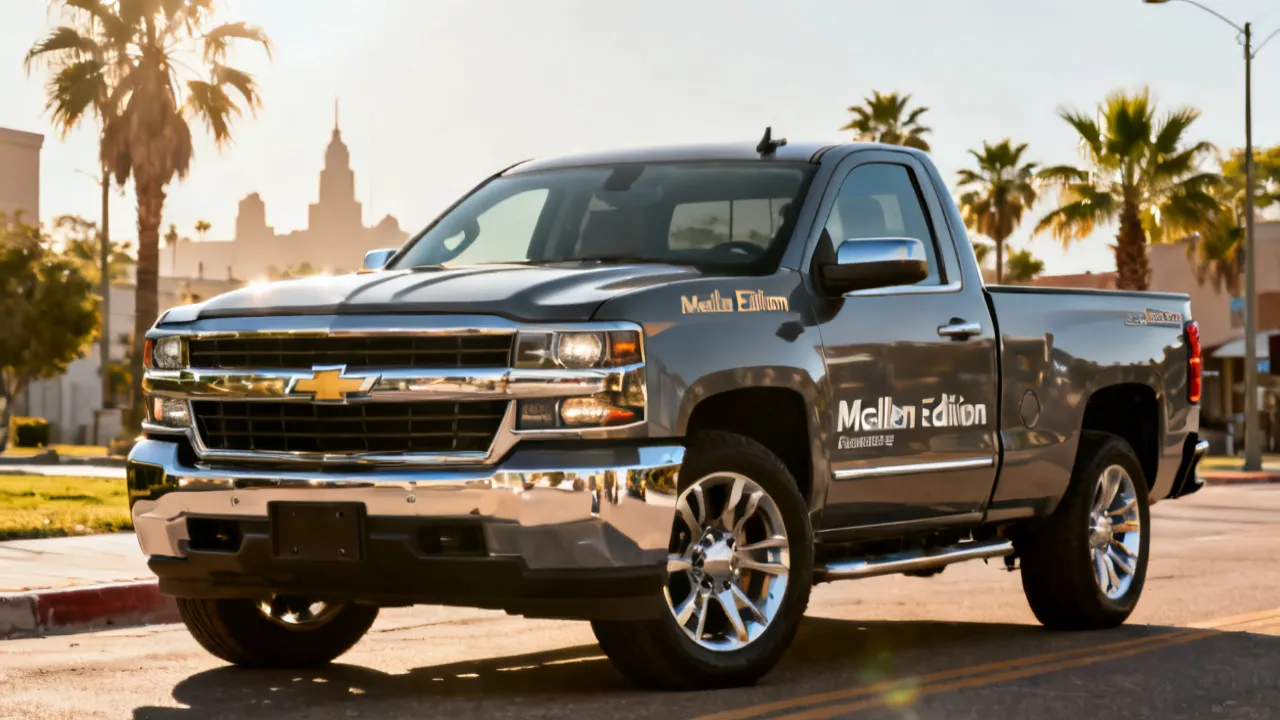
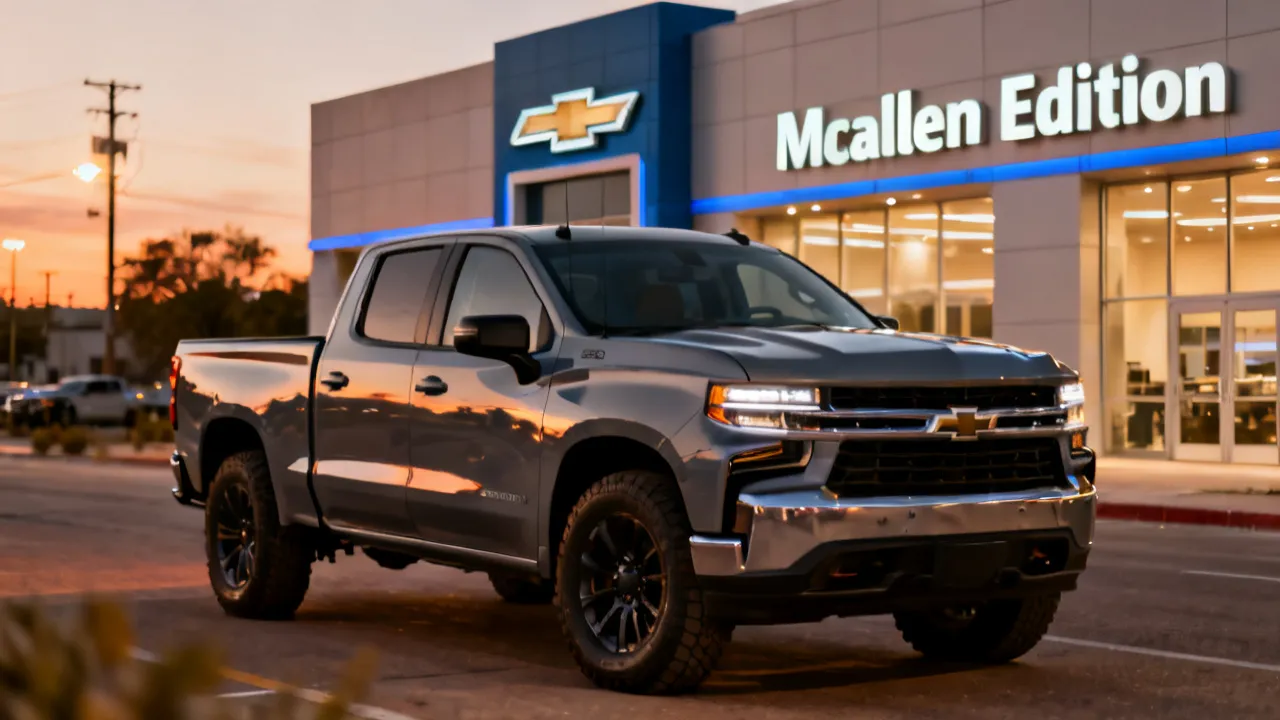
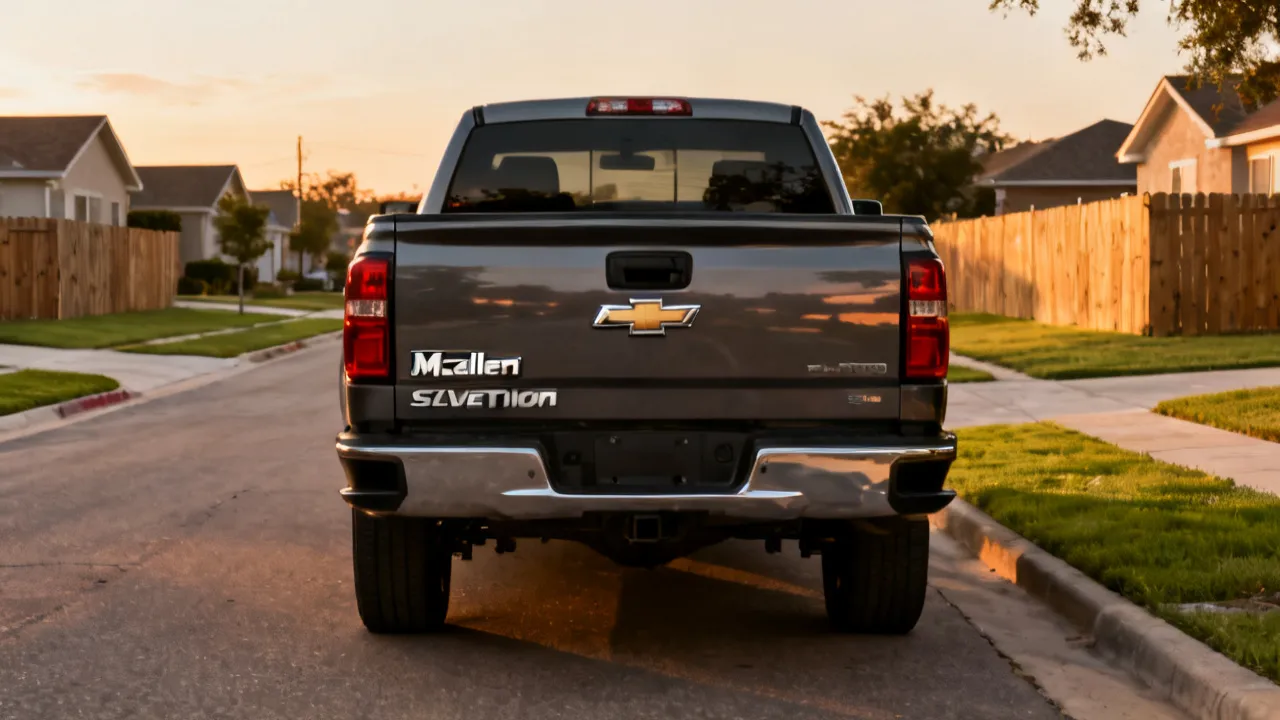
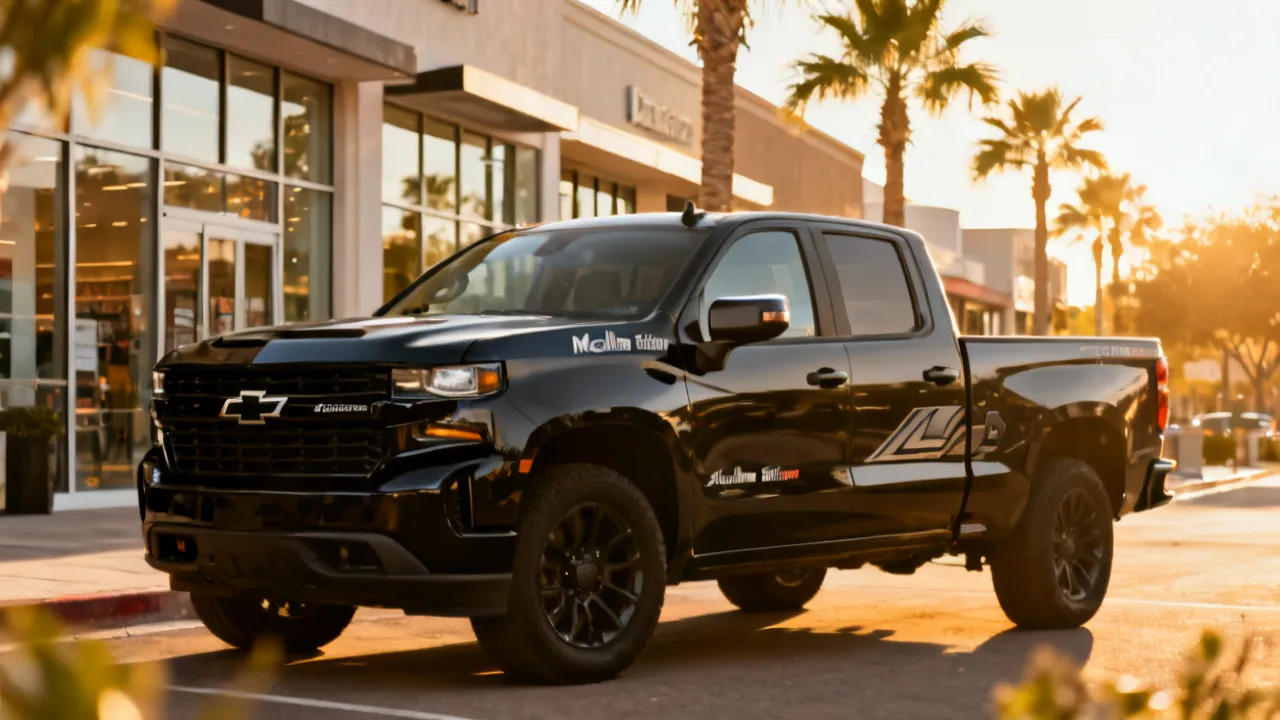
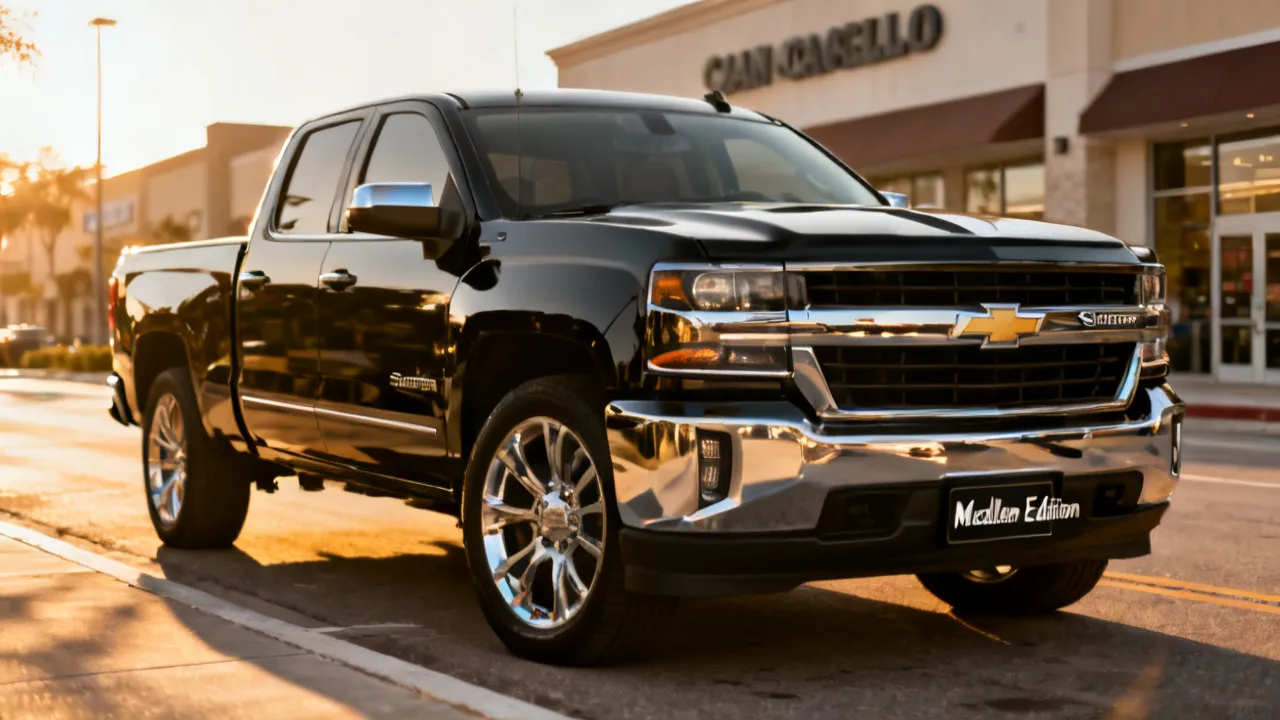
This guide helps you evaluate the Chevy Silverado McAllen Edition for everyday driving, heat-tough comfort, and resale value in the nearby McAllen area. Objectively, the term “McAllen Edition” typically signals a region-tailored trim and accessory mix, while Silverado platforms prioritize capability and serviceability. You’ll find practical selection criteria, supplier considerations, and requirement checklists before you decide.
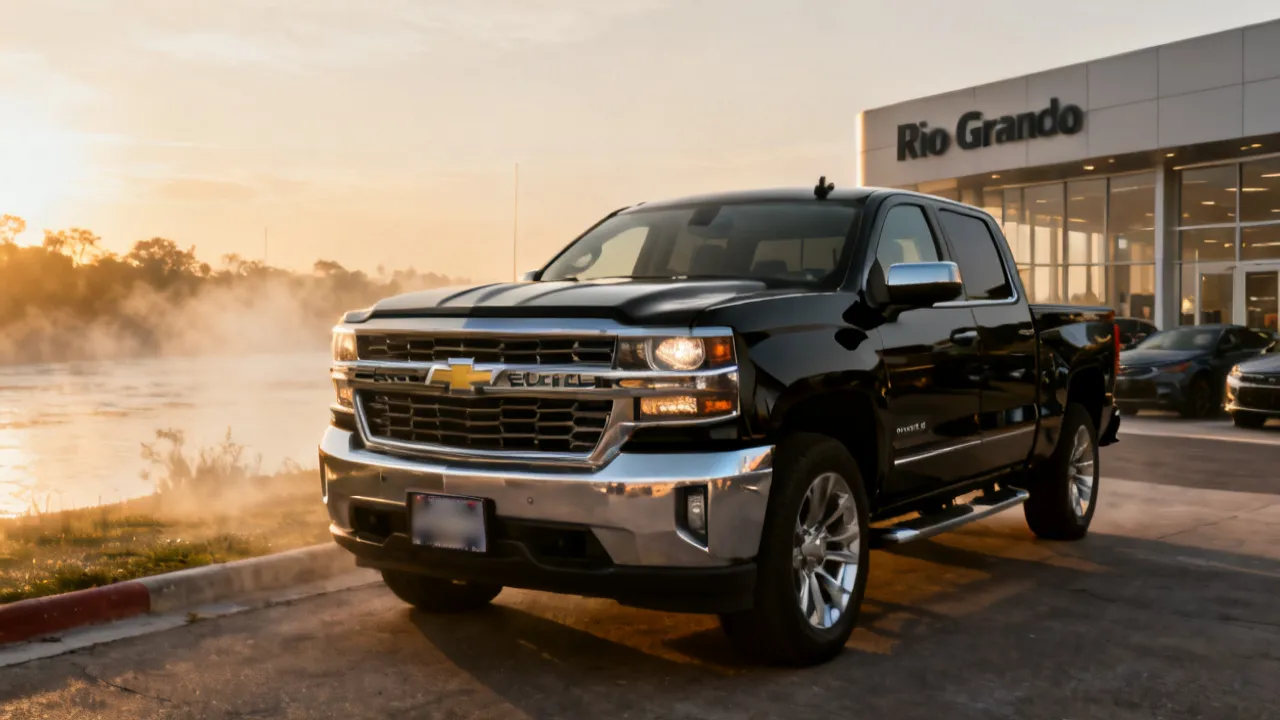
This guide helps you evaluate a Chevy Silverado McAllen Edition by focusing on what to inspect, how to compare trims, and what to verify in listing details before you buy. It provides neutral background on the Silverado platform, typical regional buyer priorities, and the documentation steps that protect you during purchasing. Built for nearby drivers who want clarity.
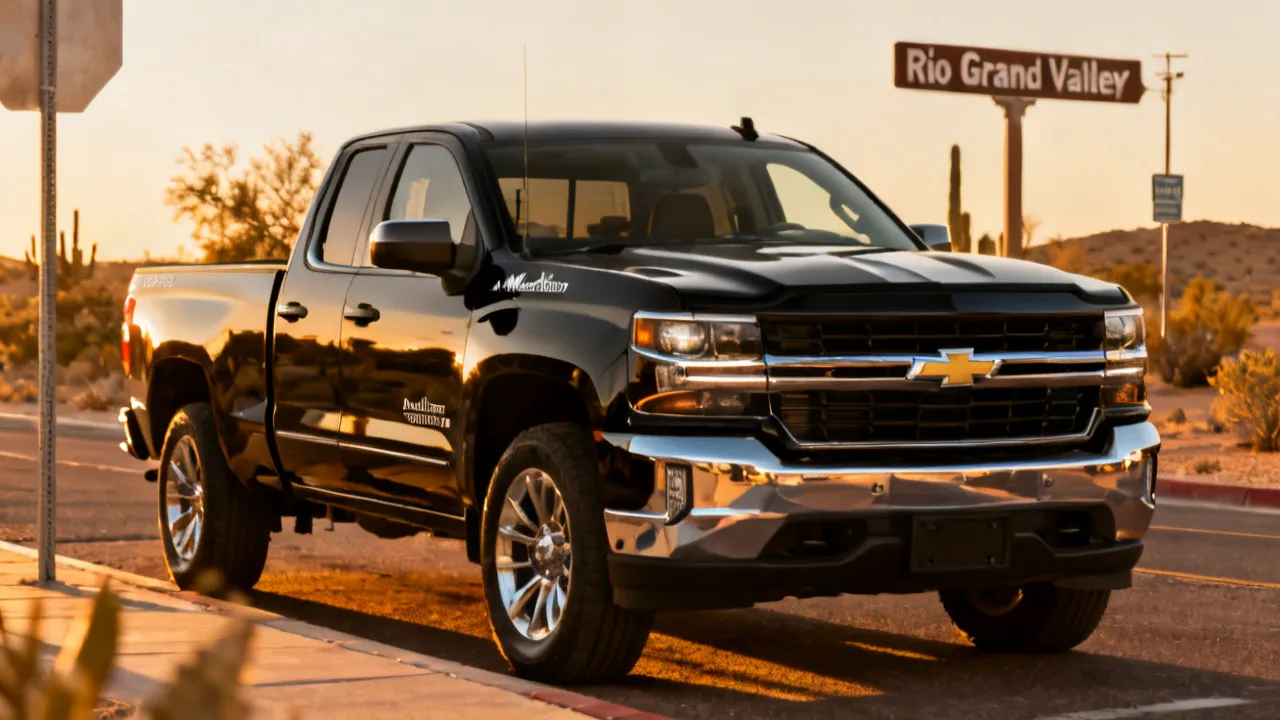
This guide helps you evaluate a Chevy Silverado Mcallen Edition for nearby buyers, focusing on trims, sourcing options, pricing variables, and ownership fit. It outlines objective background on what “Mcallen Edition” typically implies in the market, how dealers and distributors structure availability, and what to verify before committing—especially for Texas-area road use.
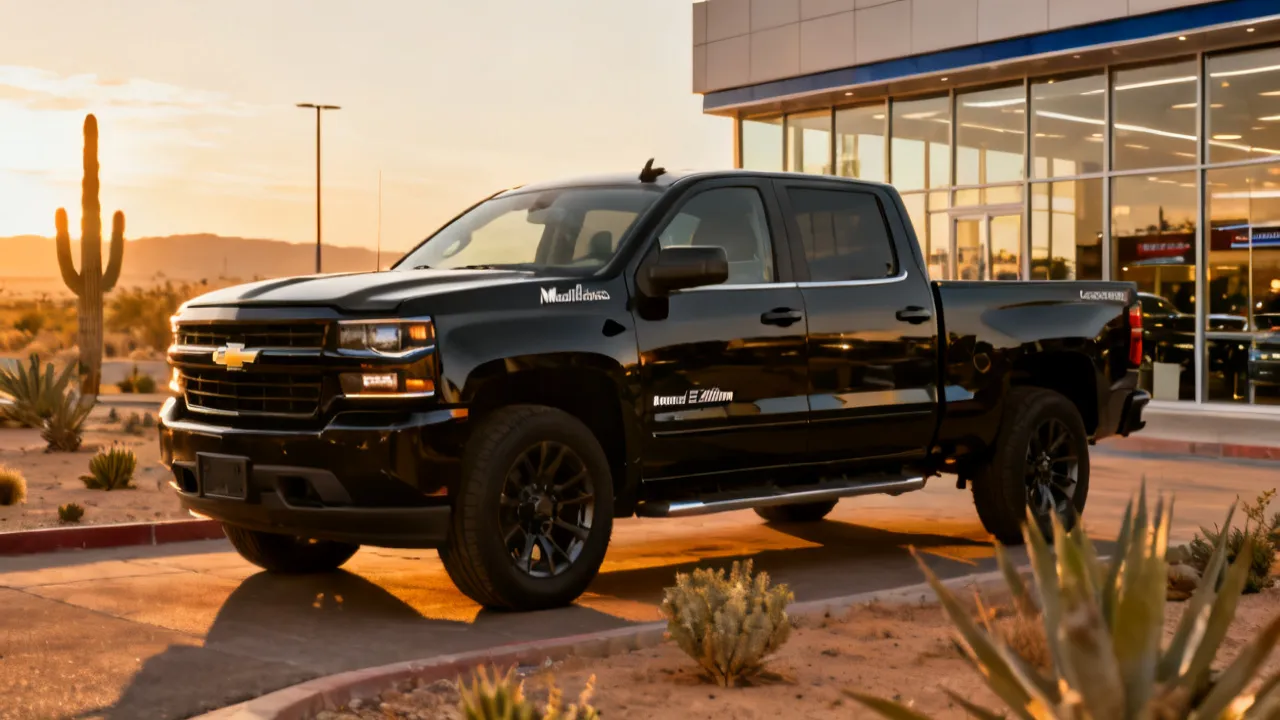
This guide explains how to evaluate a Chevy Silverado Mcallen Edition deal for buyers looking in the nearby Rio Grande Valley market. It reviews what “Mcallen Edition” typically means in trim and equipment terms, how local availability and pricing dynamics can affect your options, and what to verify before purchase—step by step and from an industry perspective.
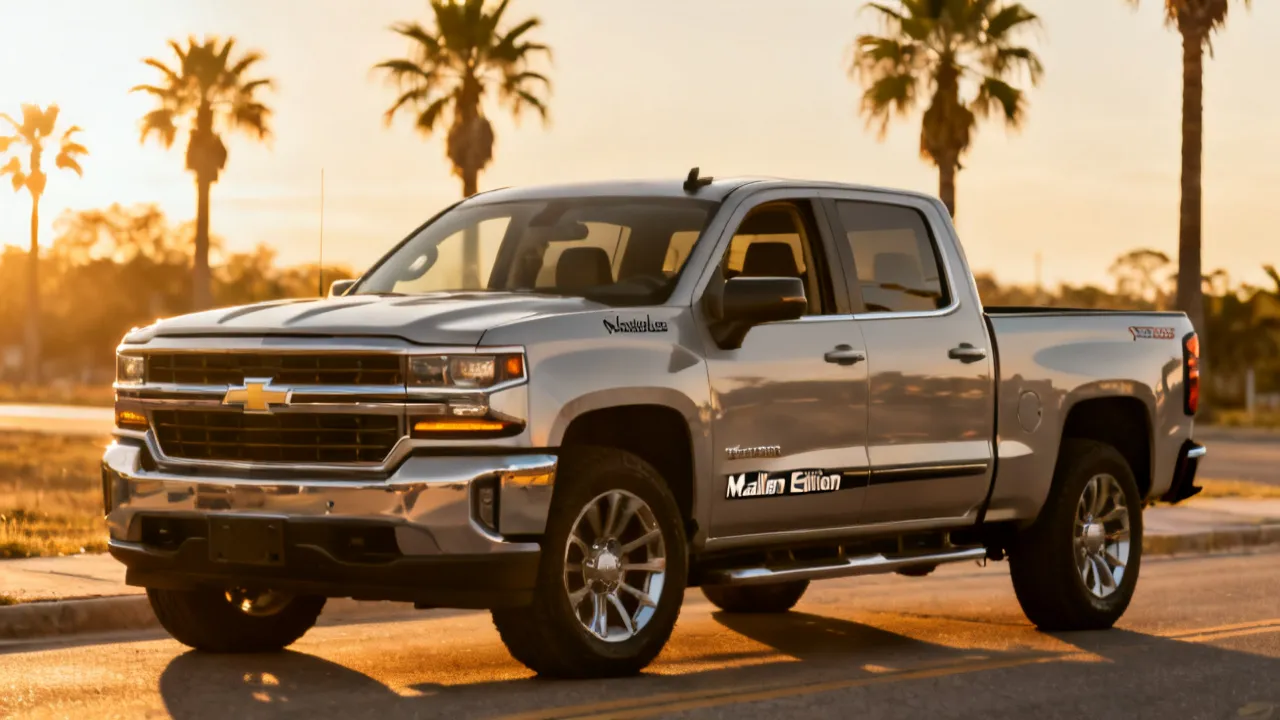
This guide explains how to evaluate a Chevy Silverado Mcallen Edition near you, from trim fit and use-case planning to supplier options and pricing expectations. Background context is also provided on what “Mcallen Edition” typically signals in the market, and how buyers in nearby Texas often prioritize heat-ready comfort and everyday durability. Advice is objective and practical.
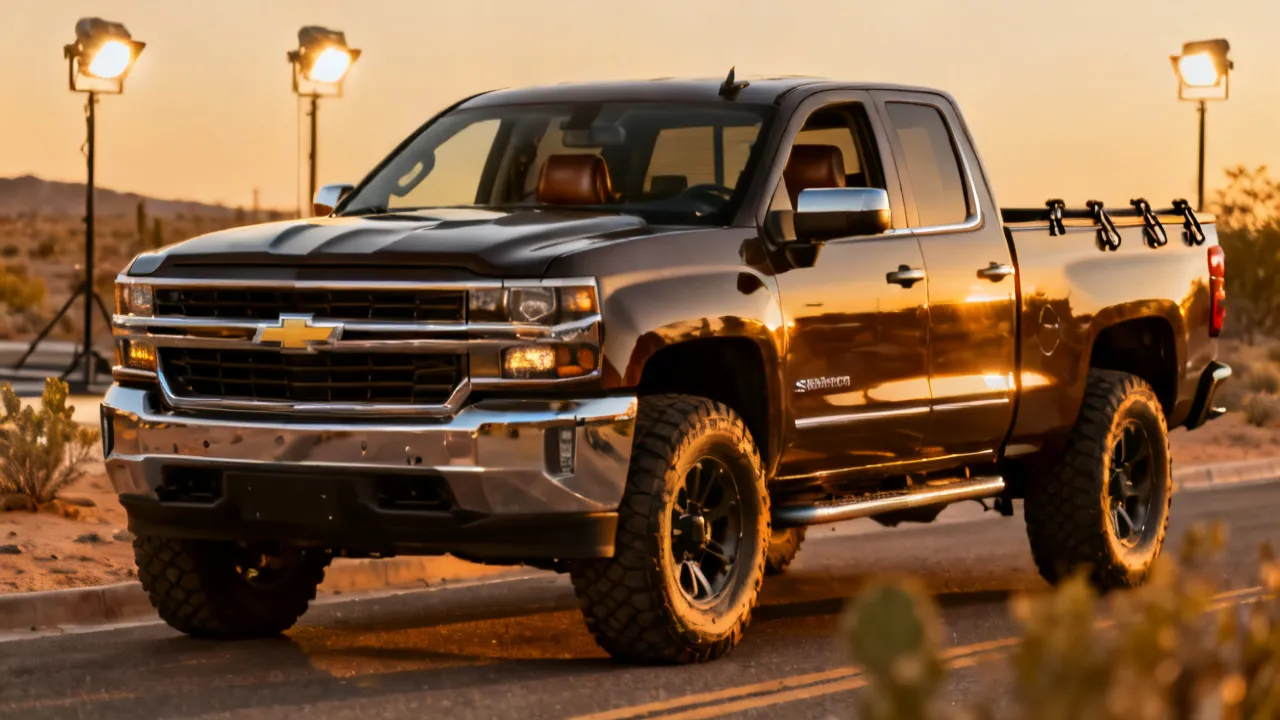
This guide explains what to look for in a Chevy Silverado McAllen Edition, including typical pricing factors, supplier options, and how to evaluate listings near McAllen. It also provides objective background on why local trim, dealer-installed packages, and seasonal demand can change offers. You’ll find a comparison table, requirements, and step-by-step checklist to compare vehicles responsibly.