This guide explains what to look for in a Chevy Silverado McAllen Edition, including typical pricing factors, supplier options, and how to evaluate listings near McAllen. It also provides objective background on why local trim, dealer-installed packages, and seasonal demand can change offers. You’ll find a comparison table, requirements, and step-by-step checklist to compare vehicles responsibly.
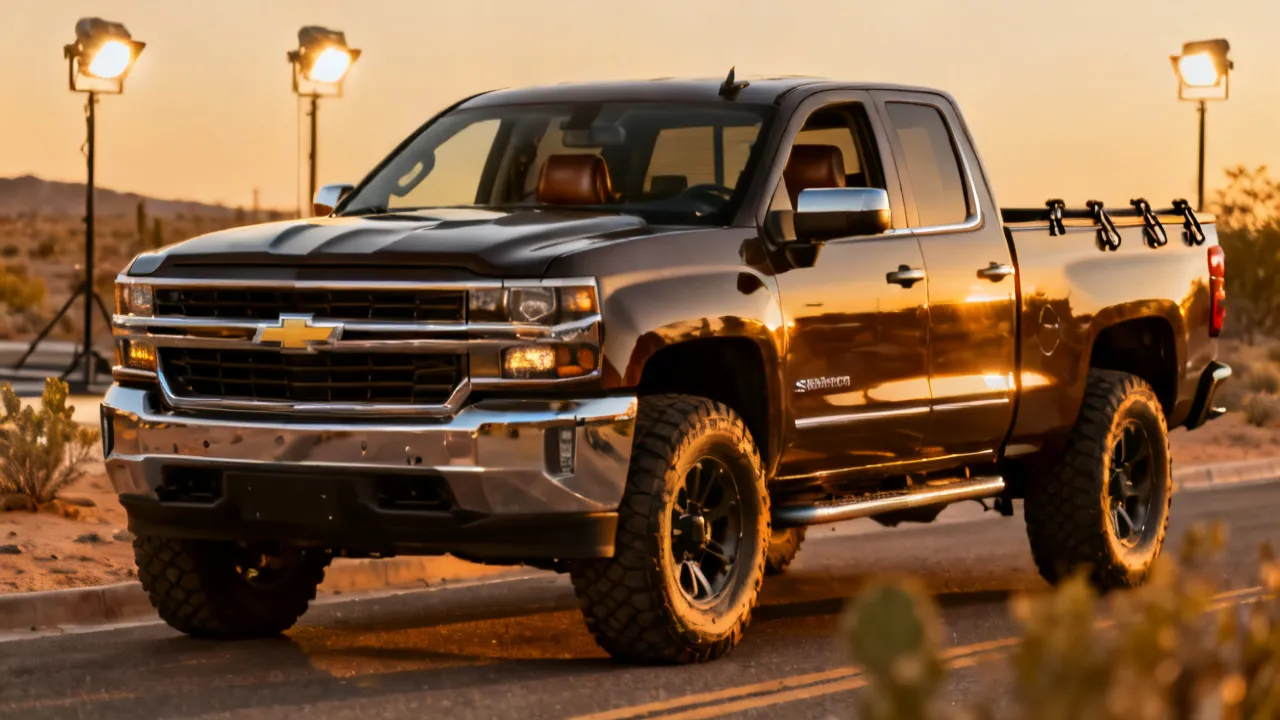
If you’re shopping for a Chevy Silverado McAllen Edition, your first move should be to clarify what you’re actually buying. In most cases, “McAllen Edition” functions like a locally marketed configuration—meaning it may bundle certain trims, option packages, and accessories that make sense for the Rio Grande Valley driving conditions, local buyer preferences, and the way inventory is assembled at dealerships. Because inventory practices vary widely between franchise stores, independent dealers, and other channels, the safest approach is to compare vehicles using consistent criteria, then confirm every detail in writing.
What drives the final deal is rarely just the headline price or the catchy package name. Instead, deals are driven by:
In the McAllen area (and nearby), pricing is also commonly influenced by seasonality, mileage bands, and how much “certified” or “verified” content the truck includes—such as appearance and technology features, towing capability, and comfort items. Rather than relying on a single number, compare offers using the same reference points: drivetrain type, cab/bed configuration, options list, service history, and documented condition. When you build that structure, “edition” naming becomes less confusing and more measurable.
A helpful mindset is to treat each listing as a bundle of variables rather than a single product. For example, two trucks may both be labeled “McAllen Edition,” but if one includes additional safety technology, upgraded wheels and tires, a proven maintenance history, or a documented towing package, then the value difference may be justified—even if the sticker price looks higher. Conversely, a higher price may be a trap if the additional content is not documented or the condition history doesn’t match the story. Your job is to separate the label from the proof.
The phrase Chevy Silverado McAllen Edition is typically used to describe a branded package or a locally marketed configuration. In practice, these names can be created through multiple channels, and the label can be applied even when the underlying strategy differs from dealer to dealer. The most common real-world meanings include:
From an industry-expert perspective, the critical point is not the label—it’s the equipment. A comparable Silverado with a similar year, mileage range, and drivetrain can price very differently if one listing includes more factory-installed components or verified installed accessories. The “edition” name often serves as a shortcut for sales teams, but it should not replace your diligence.
Think of “edition” as a hypothesis. Your next step is to confirm whether the hypothesis is accurate by checking the VIN-based build or spec details. If it’s a genuine factory-backed configuration, the evidence will appear in documentation and option lists. If it’s partially dealer-installed, the evidence should appear as an itemized accessory list, invoices, or service records showing what was installed and when.
Instead of treating “price” as a single figure, evaluate it as the sum of measurable parts. For a Chevy Silverado McAllen Edition, you can structure your comparison like a checklist that turns uncertainty into verification.
Professional note: If a listing claims it’s an “edition,” ask for a spec sheet, VIN-based equipment list, or a build confirmation that shows the same features from the standpoint of documentation—not just marketing text. If the dealer can’t provide documentation for key claims, you should treat the claim as unverified until proven.
It’s also worth understanding how pricing can mislead you even when both trucks look similar. Dealerships may price based on their own accounting for trade-ins, acquisition costs, and how they want to move specific inventory types. Meanwhile, buyers tend to focus on “monthly payment” because it sounds simpler. But monthly payment depends on interest rates, term length, down payment, and add-on costs. Two trucks with similar stickers can differ greatly in total cost over time.
To avoid guesswork, always request a worksheet (or written itemization) that includes the full out-the-door figure. If a dealer resists providing that early, it’s rarely a good sign. Transparent dealers don’t mind itemization because it helps serious buyers move forward. In contrast, dealers who try to keep the process vague often do so because the math changes later.
In South Texas, buyers often prioritize features that match everyday driving realities: hot-weather comfort, practical towing needs, and good visibility on regional roads. While specific inventory varies by dealership, local demand influences what appears in listings and what dealers choose to advertise as part of a “McAllen Edition.” Common drivers of difference include:
Because of this, two trucks with similar miles and year can appear in listings with different bundles. The advantage for you as a buyer is that McAllen-area listings may be more “feature-forward” than you’d expect, which can increase the chance you find a Silverado that meets your preferences without paying for upgrades you don’t want. The disadvantage is that local bundles can also be used to justify pricing that isn’t aligned with your needs. That’s why your comparison criteria matter.
If you plan to drive primarily in local city traffic, suburban commuting, and occasional highway travel, you may value comfort features and heat/visibility handling more than specialized off-road components. If you plan to tow frequently, then the value focus shifts: towing package verification, cooling system readiness, transmission performance under load, and brake capability become major factors. If you plan to use the truck for work, then condition clarity and maintenance continuity become even more important than minor cosmetic differences.
Ultimately, local context is helpful—but it should not replace documentation. Your goal is to identify the features that matter to you, confirm that they exist on the truck you’re considering, and verify that their condition and maintenance history match the story.
When searching for a Chevy Silverado McAllen Edition, you will encounter multiple supplier-style channels. Each channel can present potential advantages, but each also carries different verification risks.
Expert approach: Regardless of supplier type, request consistent proof each time. The goal is to make every comparison fair. Specifically, ask for:
By insisting on the same categories of proof, you prevent the common trap where one seller provides a glossy marketing description, while another provides the documentation you need. The edition name can be marketed by anyone; the proof must come from the seller’s documentation.
Also consider how the supplier channel affects your ability to resolve issues. Franchise dealerships often offer easier recourse if the truck doesn’t match descriptions or if there are warranty-related questions. Independent dealers vary; some are highly reputable and thorough, while others are more opaque. Auctions and private sales typically provide less support once the paperwork is signed, which makes pre-purchase verification even more critical.
| What to Check | Why It Matters | What “Good” Looks Like | Red Flags |
|---|---|---|---|
| Configuration match (engine, drivetrain, cab/bed) | Drives core value and drivability | Comparable trims and drivetrain type across offers | Different 2WD/4WD or engine class without clear justification |
| Verified option list | Determines whether “edition” is real content | Documented equipment from manufacturer or itemized invoice | Only vague marketing claims, no spec confirmation |
| Condition and inspection results | Prevents hidden repair costs | Clear tire/brake condition, no undisclosed damage | Inconsistent photos, missing disclosures, or refusal to share inspection |
| Service and maintenance history | Indicates reliability and resale stability | Consistent records and manufacturer-recommended intervals | Gaps in history, unexplained part replacements |
| Financing and out-the-door cost | Final affordability depends on terms | Transparent breakdown of fees, taxes, and APR impact | Changing numbers late in the process or “quote drift” |
| Warranty coverage and return terms | Protects against early failure | Clearly stated coverage limits and transferability | Unclear warranty language or limited coverage with no details |
To use this table effectively, don’t treat it as a passive reference. Treat it as a conversation starter. If a seller can’t answer a row of this table, you should ask the next best question: “Can you provide documentation for that?” The goal is to transform the process from sales-driven to evidence-driven.
In addition, it can help to assign rough “importance weighting” to each category based on your personal needs. For example:
That way, when two listings look similar in price, you can choose the one that best aligns with your priorities rather than getting stuck in a “price-only” comparison.
Use this workflow to keep the process objective and efficient—especially when shopping around for a Chevy Silverado McAllen Edition near McAllen. The order matters: verify the must-match items first, then evaluate condition and documentation, and only then negotiate price and terms.
This step prevents a common mistake: falling in love with a truck’s appearance and then realizing later that it lacks the drivetrain or bed configuration you truly need. “Edition” labels can tempt buyers into thinking every truck is similar. Your checklist ensures that the physical configuration and real equipment remain central to your decision.
If you can, compare listings at the same “granularity.” For instance, don’t compare one truck with a full option list against another truck described only in broad terms. Ask for the same level of detail from every seller so the comparison stays fair. If they can provide it, great. If they can’t, treat that as a risk factor.
When you inspect, consider the “South Texas reality” as well. Heat and sun can impact interior wear, exterior paint condition, and the longevity of some components. That doesn’t mean a truck is bad because it spent time in Texas—it means you should look carefully at the evidence and avoid assuming that mileage alone explains wear patterns.
It also helps to ask about the truck’s actual usage: Did it tow regularly? Was it used for work in dusty environments? Was it mostly highway commuting? Answers to those questions can help you interpret condition and history more accurately.
To avoid “quote drift,” ask for the total numbers to be reiterated in writing before you commit. If terms change after you begin negotiating trade-in value or financing, stop and re-check the totals. A deal should not become a different deal at the last minute.
A good pre-purchase inspection can detect problems that photos don’t reveal—like underlying mechanical noise, suspension wear, or diagnostic trouble codes. If the seller discourages an inspection or tries to impose limitations, you should treat it as a decision point: either adjust your risk tolerance or move on.
These requirements are designed to reduce risk and improve transparency for a Chevy Silverado McAllen Edition purchase. They are not obstacles—they are the minimum expectations of a fair transaction. If a seller can meet them comfortably, you can move forward with more confidence.
Additionally, consider whether the seller can provide photographs of the truck that reflect the current condition (not older listing photos). If the truck is listed as “ready,” you should be able to verify that current condition matches the listing. If you notice inconsistencies, ask for clarifying images of specific areas: tire sidewalls, underbody condition, interior wear, and any suspected damage points.
Also be mindful of common “deal friction” moments. For example, some dealers may offer a good price but attempt to include add-ons like service contracts, protection packages, or accessories that you didn’t ask for. You can negotiate or decline add-ons, but you must do so before signing. Keeping out-the-door math transparent prevents you from paying for features you didn’t want or for financing structures that don’t align with your plan.
From an industry-expert standpoint, value in a Chevy Silverado McAllen Edition deal often appears in less obvious places. The best deals aren’t always the lowest sticker price; they’re usually the best combination of equipment, condition, and transaction terms.
Meanwhile, the biggest sources of buyer regret usually come from mismatched expectations—especially when “edition” content isn’t clearly documented. If a truck’s listing includes vague phrases like “edition package includes upgrades” without specifying the upgrades, that vagueness is a risk. You want to avoid paying for imagined value.
Here’s another expert-level angle: resale stability. Some features help the truck hold value better than others. For example, if the truck includes popular factory options—driver-assist, towing package items, or premium interior comforts—future buyers may recognize the value. However, if the “edition” relies heavily on non-factory add-ons with unclear documentation, resale value can be less predictable. Documentation matters not just for today’s purchase, but for tomorrow’s sale.
Also consider warranty and coverage. A truck that is “slightly more expensive” but has a strong remaining factory warranty or a transferable coverage plan might be cheaper in total cost of ownership. On the other hand, a truck with a good sticker price may be risky if it lacks warranty coverage and shows signs of deferred maintenance. Total cost should include both purchase price and expected near-term repair risk.
In summary, value is usually found when the deal aligns these factors:
It is commonly a locally marketed configuration that may combine a particular Silverado trim with selected options and/or dealer-installed accessories. The objective way to confirm it is to compare the equipment list to the listing’s claims using VIN-based details or documented invoices. If you can’t verify the content, treat the label as marketing until proven.
Rather than relying on a single headline price, compare similar configurations: drivetrain type, cab/bed layout, engine type, mileage band, and documented option content. Also compare out-the-door totals and financing terms, since those can meaningfully change affordability. If one listing includes additional factory or verified options, a higher price may be justified.
Not necessarily. Accessories can be installed with varying quality and may differ by supplier. Ask for itemized proof of what was installed, when, and whether there’s any related warranty or documentation. If the seller can’t provide details, consider whether you’re comfortable with the uncertainty.
For many buyers in the McAllen area, the choice depends on intended usage: typical commute conditions, towing plans, and comfort with weather and road variability. If you anticipate frequent travel on less predictable routes or towing in varied conditions, 4WD may be preferable. If you mostly drive local roads and you don’t tow frequently, 2WD may be sufficient and often more cost-effective to maintain.
Request a VIN-based equipment/spec confirmation, vehicle history disclosures where available, maintenance records, and a written itemization of any dealer-installed components. For the transaction, ask for an out-the-door cost sheet and warranty terms in writing. The more key items are documented, the less room there is for misunderstandings.
Yes—especially when the listing’s condition details or “edition” content isn’t fully clear. An independent inspection can reveal issues that photos and short descriptions might miss, such as suspension wear, diagnostic trouble codes, or signs of prior repairs. For a used Silverado, that extra step can prevent expensive surprises.
In the McAllen area (nearby), listings are typically available through franchise dealerships, independent dealers, and sometimes auction or private-sale channels. The best supplier is the one that can provide consistent documentation and transparent disclosure. Your goal is not to pick a category—it’s to pick a seller who can prove the truck matches the listing.
You’ll usually know by comparing the listing’s claims to the VIN-based equipment list and looking for an invoice or itemized accessory list for dealer-installed items. Factory content appears on the build spec; dealer-installed items appear in service documentation or accessory invoices. If the seller can’t distinguish between the two, ask more directly.
Yes. Financing changes the total cost significantly because APR and term length determine how much interest you pay. A truck with a slightly higher sticker price might be cheaper if it has a better financing offer or lower add-on costs. That’s why out-the-door pricing and financing terms should be compared as part of the same decision.
Common misunderstandings include: (1) thinking a marketing name guarantees a feature that may not be present, (2) assuming dealer-installed accessories are higher-value without documentation, and (3) overlooking that two trucks with similar “edition” names can have different drivetrains, cab/bed configurations, or major packages. Verification is the cure for all three problems.
Shopping for a Chevy Silverado McAllen Edition is most successful when you treat it as a structured comparison exercise. Confirm the equipment list, validate condition and service history, and compare out-the-door pricing across suppliers. When you do that, the “edition” name becomes a starting point—not a promise you have to trust blindly.
Next action: Create your must-match checklist, then request VIN-based specifications and itemized documentation for every shortlisted truck. Use consistent criteria across listings: configuration, verified options, condition and inspection evidence, maintenance history, and total out-the-door math. This is the objective way to find a Silverado near McAllen that fits both your preferences and your budget.
If you want to make the process even smoother, keep a single worksheet as you compare trucks. Include columns for drivetrain, cab/bed, key options, documented edition features, tire/brake wear notes, service history highlights, and the out-the-door price. When you can see the differences side-by-side, you’ll quickly identify which truck’s “edition” content is real value and which truck is simply using a label to cover uncertainty.
Finally, remember that buying confidence comes from evidence. A good deal is not just the lowest price—it’s the best combination of documented equipment, transparent condition, reasonable transaction terms, and protection that reduces risk. When you apply that standard to every Silverado listing labeled “McAllen Edition,” you’ll make a decision you can feel good about for the long haul.

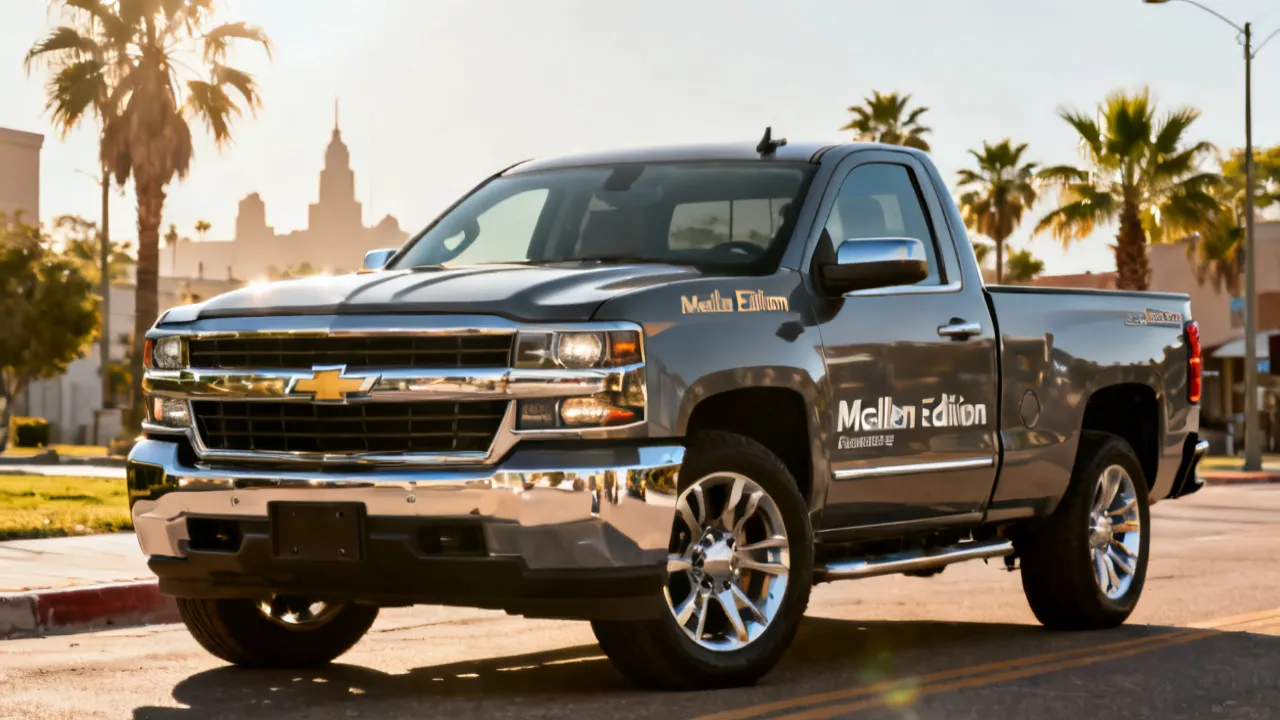
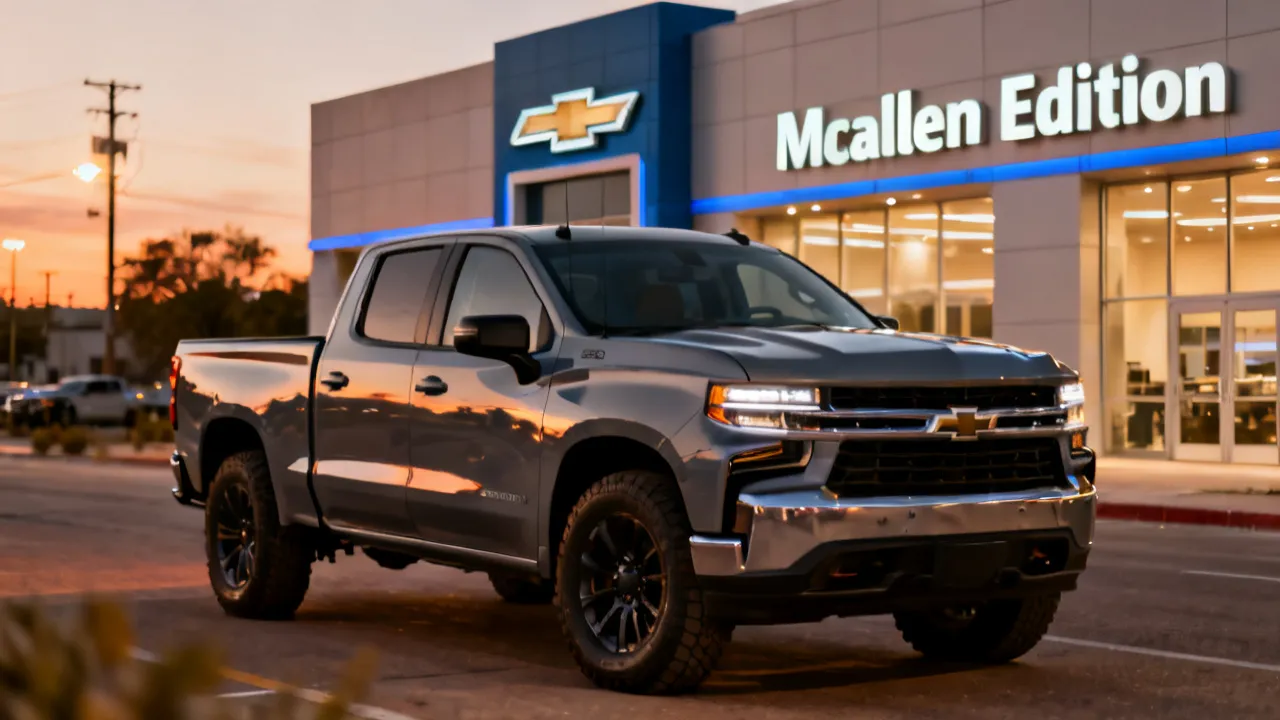
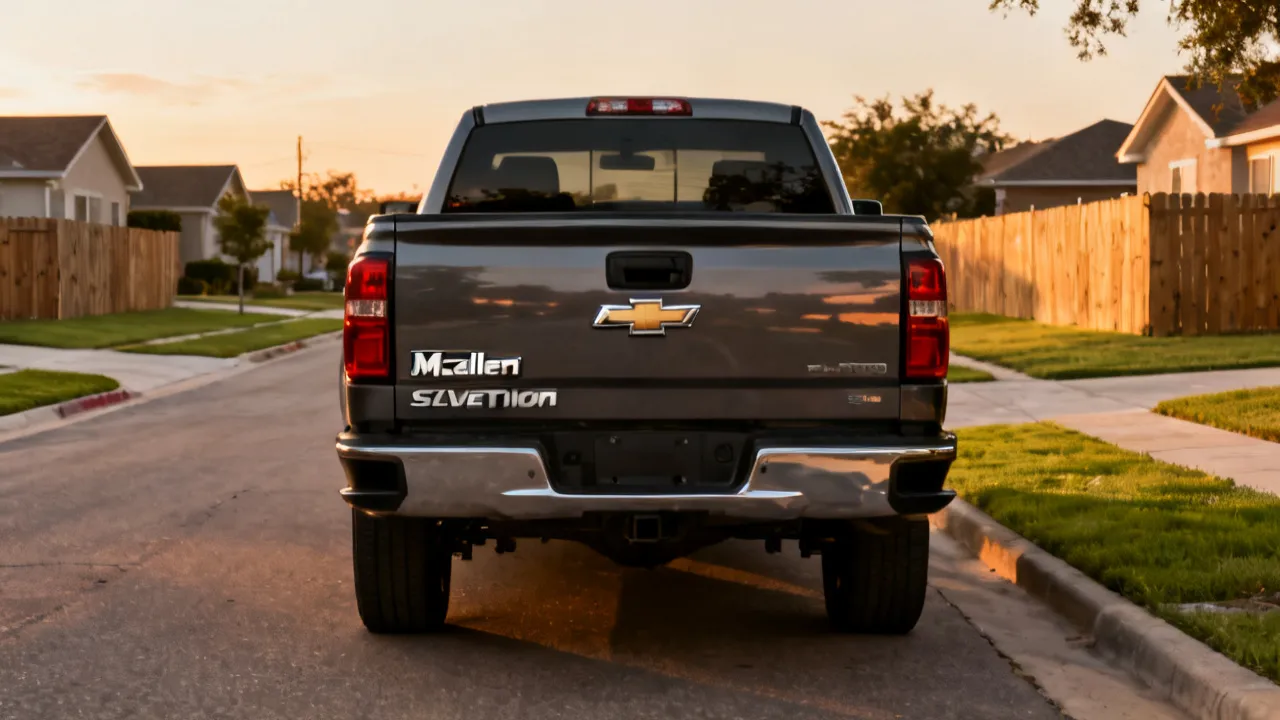
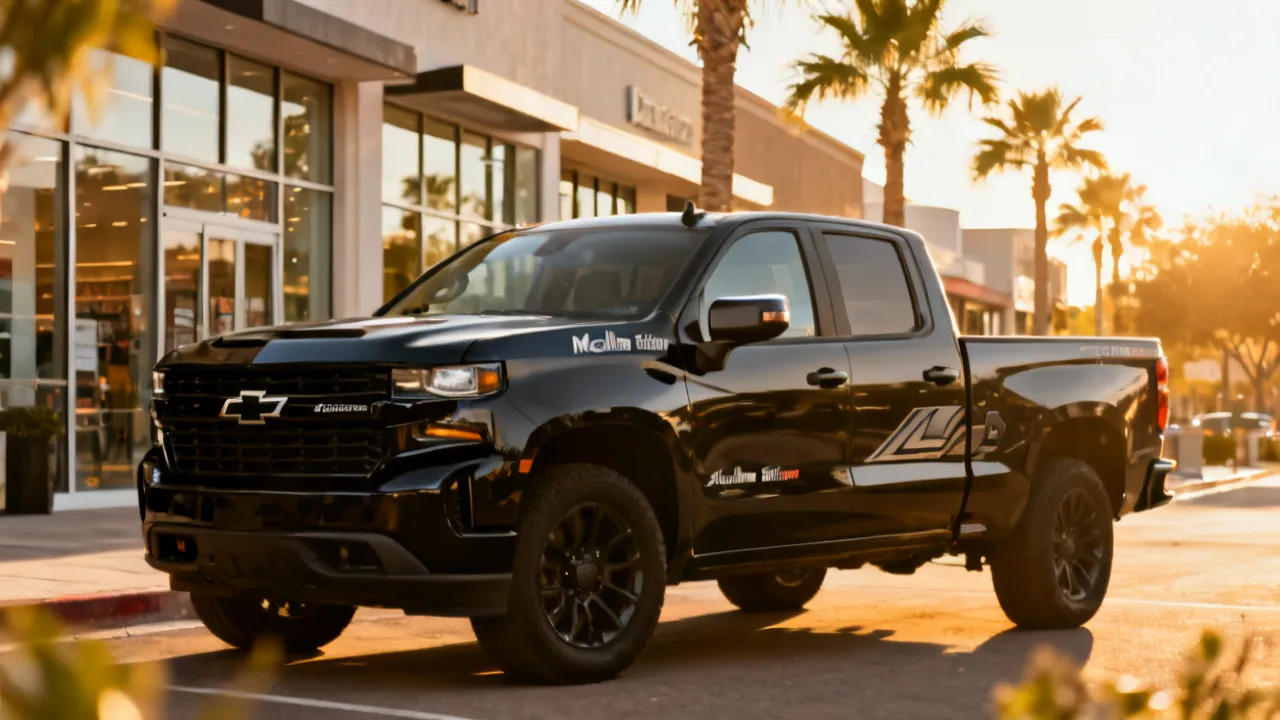
This guide explains how to evaluate and source a Chevy Silverado Mcallen Edition nearby, with a focus on trims, condition checks, pricing structure, and supplier credibility. It sets neutral expectations around what the “Mcallen Edition” label typically implies, then outlines practical steps for comparing listings, verifying equipment, and preparing for local ownership considerations.
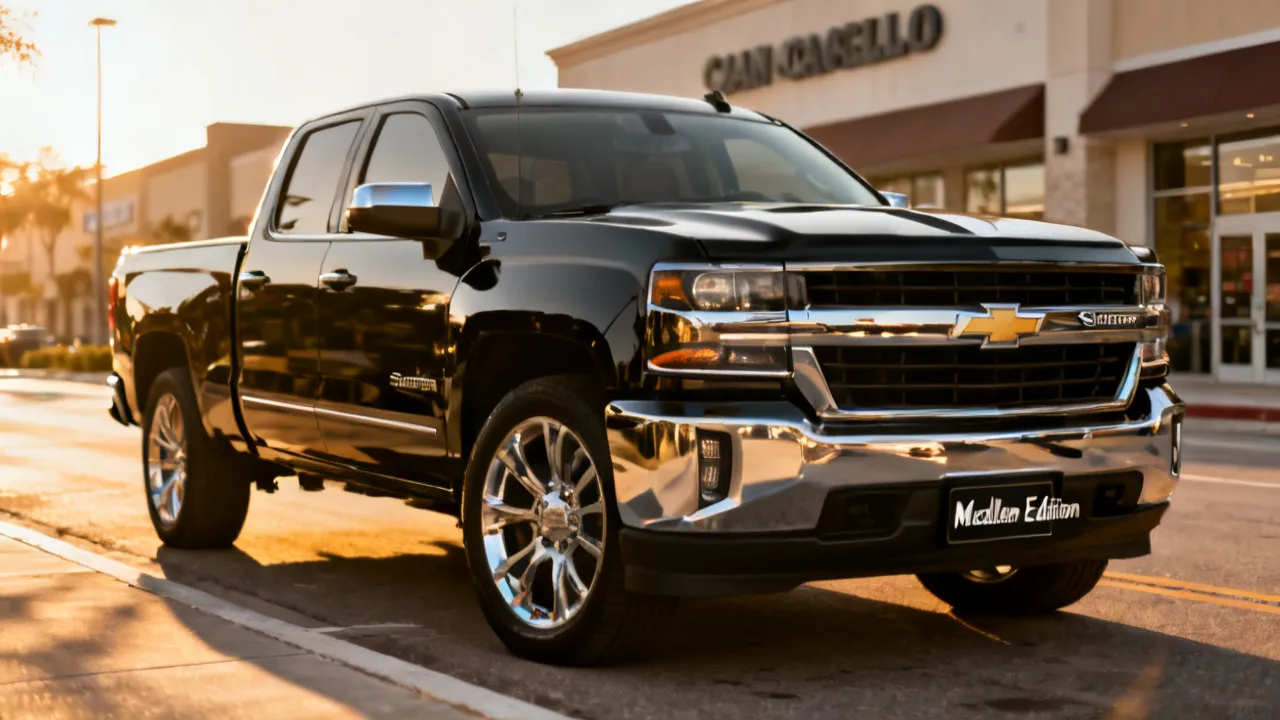
This guide helps you evaluate the Chevy Silverado McAllen Edition for everyday driving, heat-tough comfort, and resale value in the nearby McAllen area. Objectively, the term “McAllen Edition” typically signals a region-tailored trim and accessory mix, while Silverado platforms prioritize capability and serviceability. You’ll find practical selection criteria, supplier considerations, and requirement checklists before you decide.
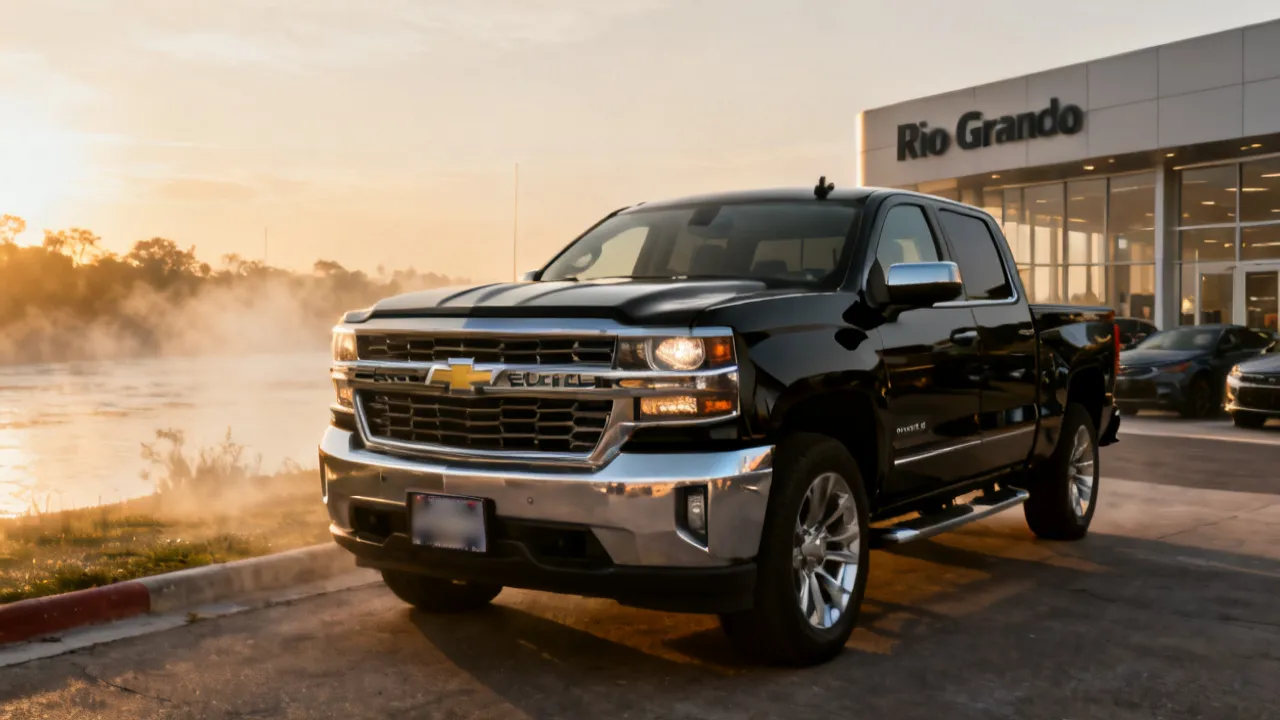
This guide helps you evaluate a Chevy Silverado McAllen Edition by focusing on what to inspect, how to compare trims, and what to verify in listing details before you buy. It provides neutral background on the Silverado platform, typical regional buyer priorities, and the documentation steps that protect you during purchasing. Built for nearby drivers who want clarity.
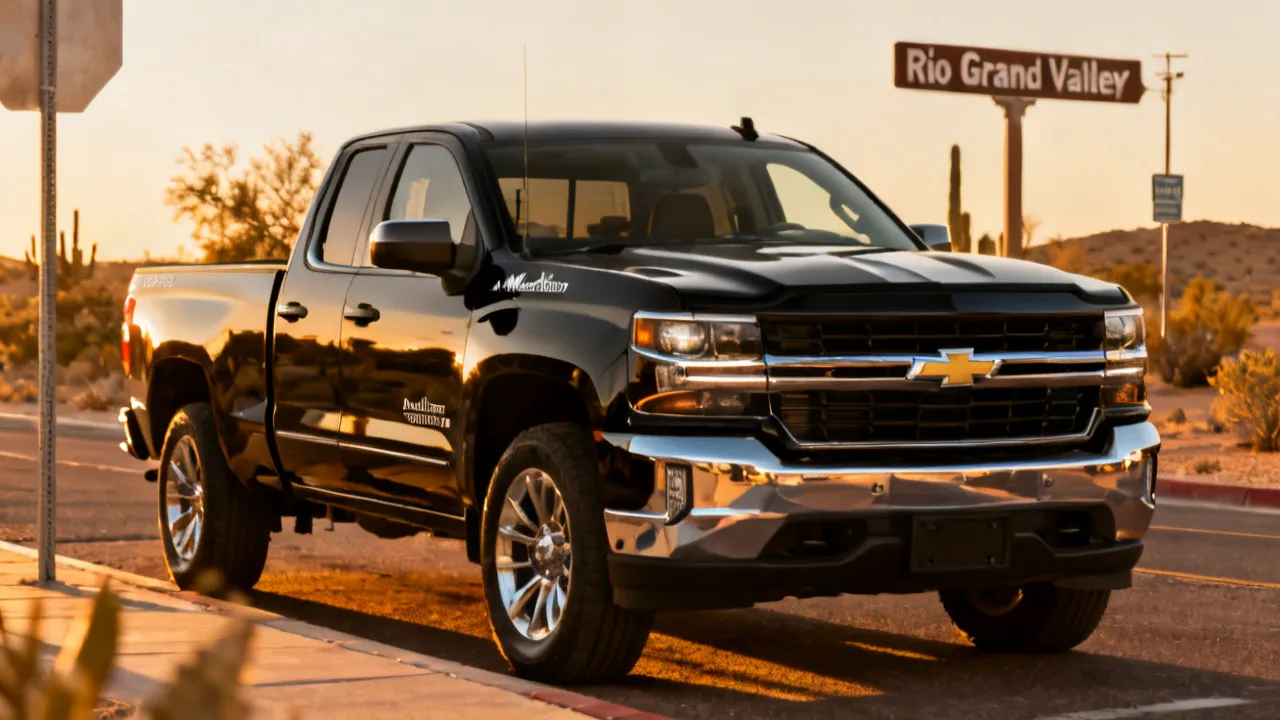
This guide helps you evaluate a Chevy Silverado Mcallen Edition for nearby buyers, focusing on trims, sourcing options, pricing variables, and ownership fit. It outlines objective background on what “Mcallen Edition” typically implies in the market, how dealers and distributors structure availability, and what to verify before committing—especially for Texas-area road use.
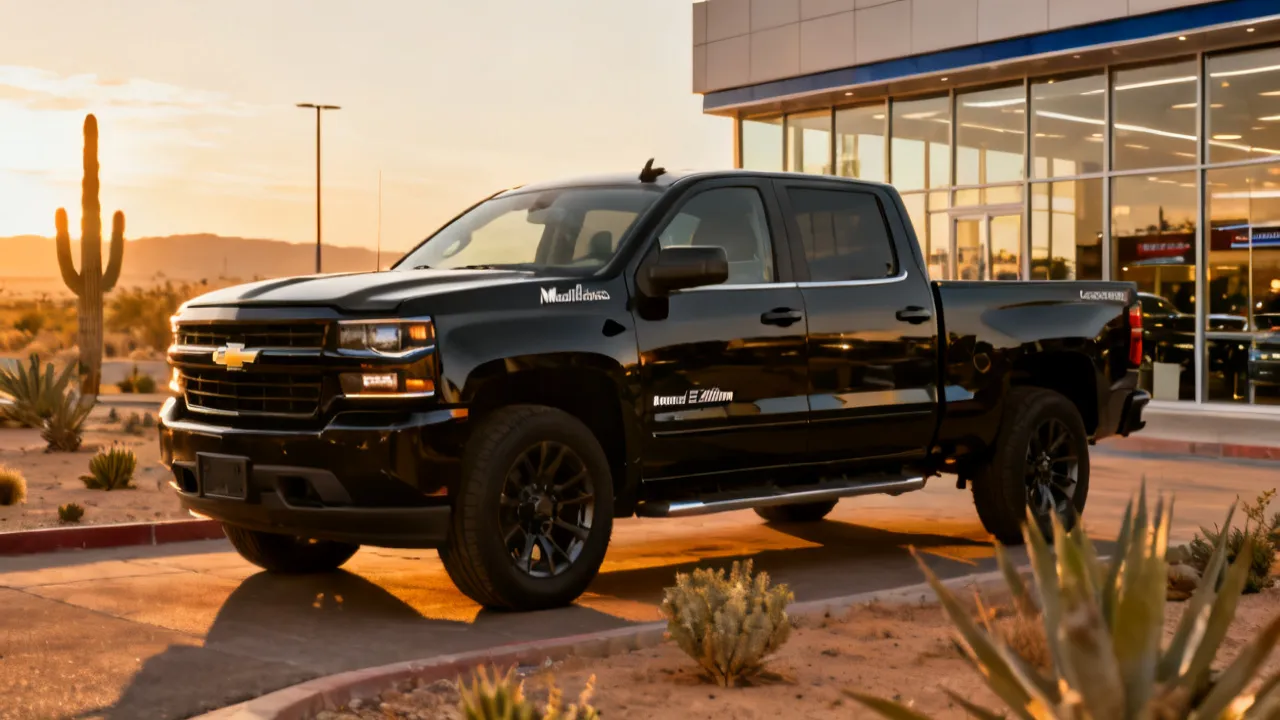
This guide explains how to evaluate a Chevy Silverado Mcallen Edition deal for buyers looking in the nearby Rio Grande Valley market. It reviews what “Mcallen Edition” typically means in trim and equipment terms, how local availability and pricing dynamics can affect your options, and what to verify before purchase—step by step and from an industry perspective.
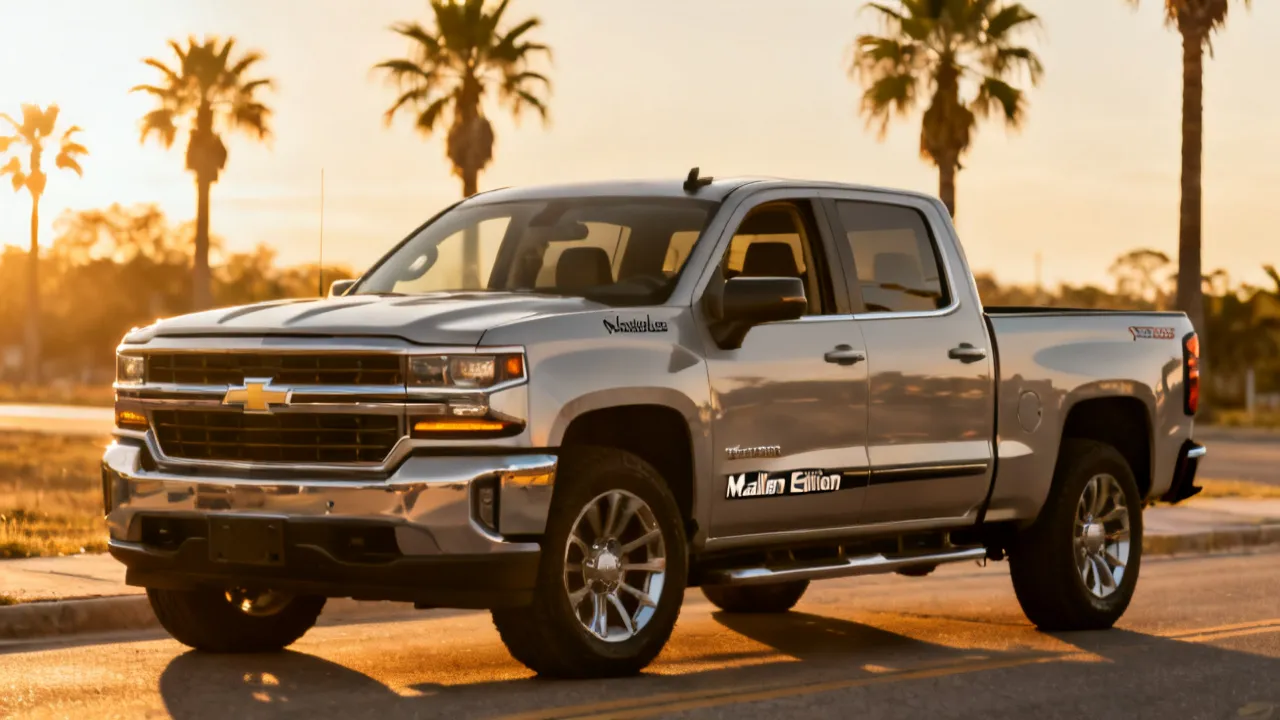
This guide explains how to evaluate a Chevy Silverado Mcallen Edition near you, from trim fit and use-case planning to supplier options and pricing expectations. Background context is also provided on what “Mcallen Edition” typically signals in the market, and how buyers in nearby Texas often prioritize heat-ready comfort and everyday durability. Advice is objective and practical.