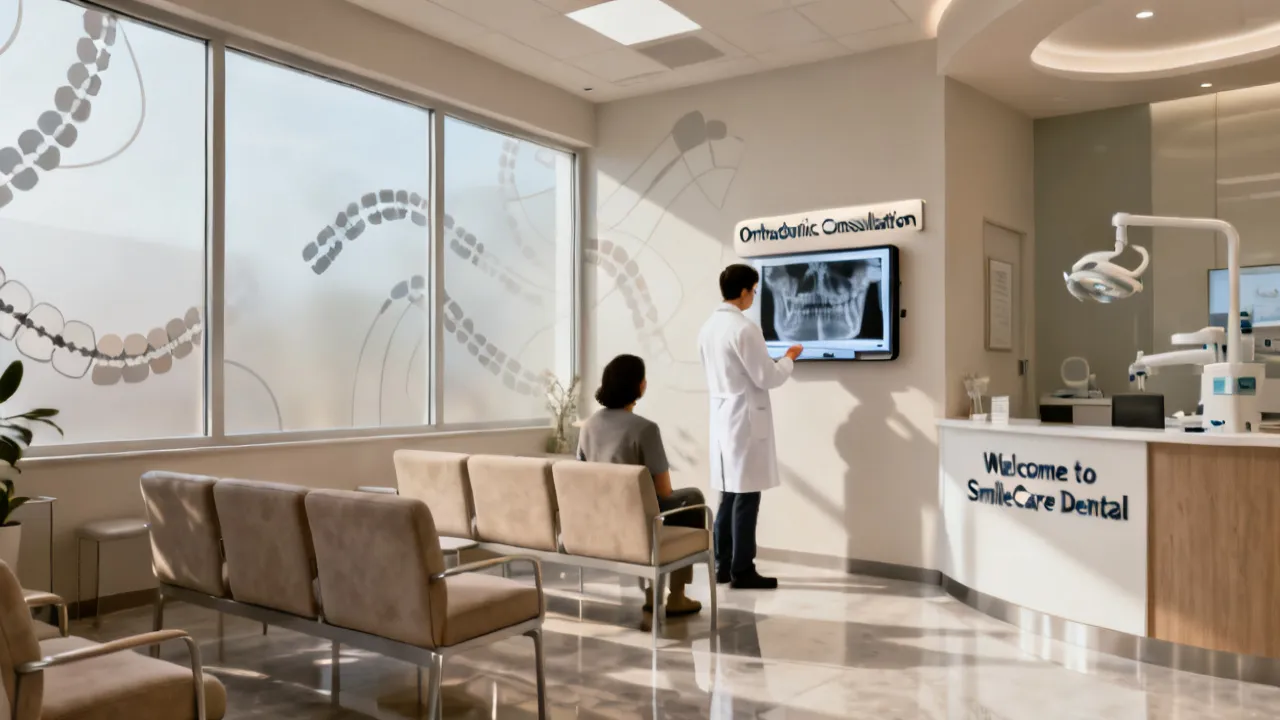
This guide helps you evaluate an Orthodontist in My Area (“nearby”) by focusing on qualifications, diagnostic approach, treatment options, and total cost planning. It also explains how low-cost dental implant information is used responsibly when comparing care paths across English-, Spanish-, and Portuguese-speaking countries. Practical FAQs are included for orthodontic starters and implant-adjacent cases.
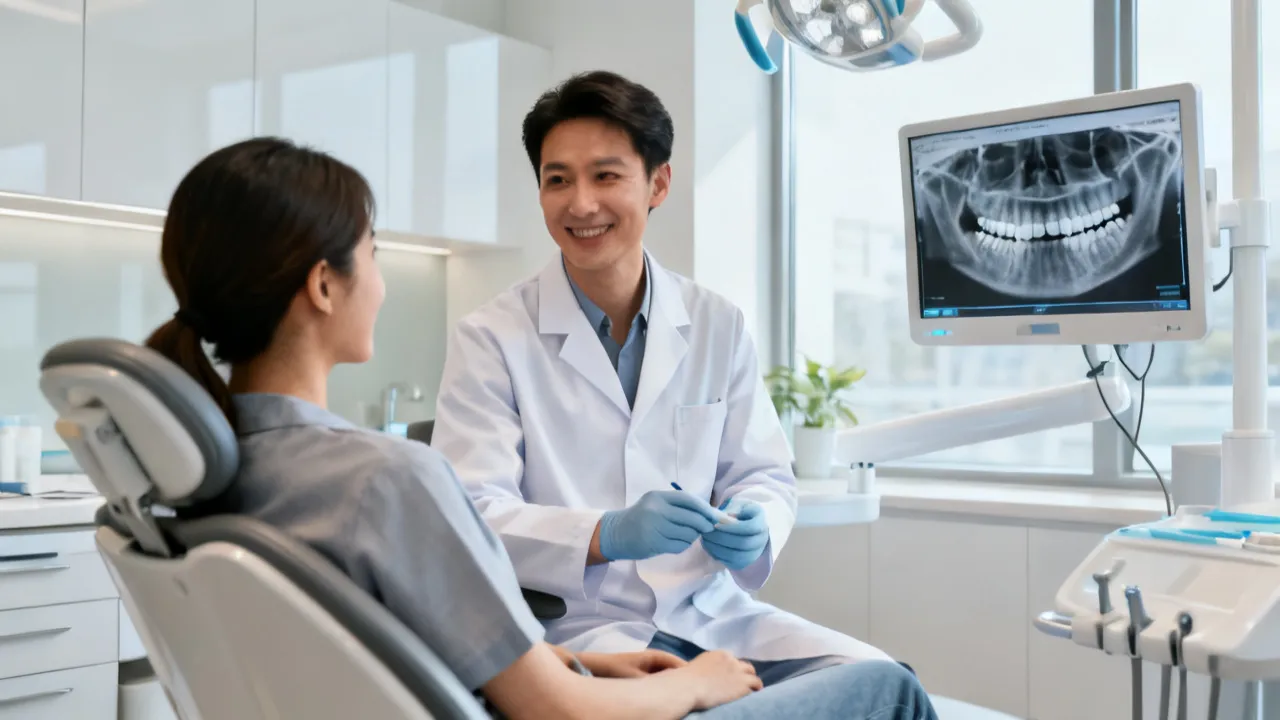
Choosing an Orthodontist in My Area (nearby) is not only about convenience—it’s about aligning your clinical needs with the right expertise, treatment plan, and good maintenance. An evidence-based orthodontic experience typically starts with a thorough diagnostic process (clinical exam, bite assessment, and imaging), followed by a realistic plan you can understand and evaluate. If you are considering restorative options alongside orthodontics—such as implant-supported teeth for missing teeth—then affordability and sequencing of treatment can become a major decision factor.
In this guide, we’ll take a professional, objective approach to help you assess orthodontic providers nearby. We’ll also supplement that guidance with a structured overview of low-cost dental implants information sources and practical steps to reduce implant-related expenses in English-, Spanish-, and Portuguese-speaking countries, including clear reference cost ranges for single implants.
Because oral health is both clinical and logistical, the “right nearby orthodontist” is often the one who can coordinate long-term care: diagnosing accurately, communicating clearly, maintaining compliance-friendly schedules, and working intelligently with other dental specialties when needed.
In very dental systems, orthodontic treatment is a specialized pathway requiring additional training and continuing professional development. When people search for an Orthodontist in My Area (nearby), they are usually balancing four variables:
As an industry perspective, the strongest predictors of a successful outcome are not marketing claims; they are the quality of the diagnostic record, the appropriateness of the biomechanical plan, and adherence to retention protocols. Your “nearby” search is therefore top treated as a screening step to reach the right evaluation—not as a substitute for clinical selection.
In practice, “credentials” can mean more than a diploma. It can include the orthodontist’s track record with similar cases, how consistently the practice follows evidence-based protocols, and how the team handles complications. A nearby location may reduce travel time, but the clinical reliability should come first. If you choose a clinic primarily for convenience and the clinical process is weak, you may end up spending more later—either in the form of additional appointments or in corrective work after a compromised result.
It’s also helpful to understand that orthodontics is not only about changing the position of teeth; it’s about controlling forces over time so the surrounding tissues adapt safely. That requires decision-making such as when to extract, when to expand, how to manage rotations, and how to preserve gum and bone health. These decisions should be grounded in a diagnostic record and communicated in plain language.
During your initial consultation, an experienced orthodontic provider should discuss options in a way that matches your goals and anatomy. Common categories include:
What to watch for: if the conversation is dominated by a single appliance type (for example, “everyone should choose aligners”) without a diagnostic explanation, that’s a red flag. A careful orthodontist nearby will connect device selection to your clinical findings and risk profile.
It may also help to ask about treatment philosophy. Some orthodontists prioritize stability and long-term retention from day one; others might focus primarily on initial alignment. You want both alignment and stability. You also want transparency about compliance requirements. For example, clear aligners usually require disciplined wear time, while braces require consistent follow-up for adjustments and monitoring.
During evaluation, a good orthodontist should explain not only what device they recommend, but why it’s the best fit. The “why” might include:
Orthodontics also involves planning for how your bite will function. A good evaluation should include discussion of chewing efficiency, speech comfort, and how your new bite should feel once appliances are removed. If you only hear about “straightening teeth” but not about bite function, you should ask follow-up questions.
Orthodontics and implant planning can overlap, especially when a patient has missing teeth due to trauma, congenital absence, or long-standing dental issues. In such situations, alignment and bite correction may be staged alongside restorative planning.
Important: orthodontic treatment decisions should not be made solely based on implant affordability. However, affordability information can help you engage in informed conversations—particularly when estimating total treatment timelines and budgeting for adjunctive care.
For patients comparing pathways, resources that summarize low-cost approaches can be useful—but they must be treated as starting points for discussion rather than guarantees of outcome. For example, websites that compile affordability-focused information on dental implant treatments may discuss candidate selection, procedural steps, and common FAQs (see sources referenced later in the article).
In real life, sequencing issues are where additional cost often shows up. Here are common scenarios where timing matters:
Therefore, a “nearby orthodontist” that only treats teeth without discussing the possible restorative pathway may not be the best single point of coordination if you know you’ll eventually need implants or other prosthetics. It doesn’t mean orthodontists cannot work effectively—rather, you want the plan to be integrated from the start or coordinated with a restorative specialist.
Use the checklist below during your consultation. The goal is to evaluate both clinical competence and the structure of care delivery.
Credential questions don’t need to be confrontational. You can phrase them as “I want to understand your approach and ensure I’m in the right hands.” A reputable orthodontic practice will answer confidently and clearly.
One reason written documentation matters is that orthodontic decisions are sometimes revisited. For example, a clinician may adjust treatment based on your response. If the practice keeps detailed records, those adjustments become part of a transparent narrative rather than an unclear “change of plans.”
Realism also means expectations about appearance and function. Some patients want “perfect teeth in the shortest time.” Orthodontics can often improve appearance dramatically, but safe movement takes time. A good orthodontist will explain what outcomes are realistic for your anatomy and biology, rather than guaranteeing a specific look.
Financial clarity should cover more than the headline number. Ask for an itemized breakdown. If they cannot provide it, you may need to request it later or consider other clinics. Clinics vary in how they structure pricing, but transparency is a hallmark of trustworthy care.
It also helps to ask about retention costs. Retainers are often overlooked in early budgeting. A thorough plan should explicitly discuss retention appliances (type, timeline, replacement policy) and the expected long-term responsibility.
This “nearby selection” process aligns with how reputable orthodontic practices manage risk: by creating a record, planning with detail, and communicating total care—not only the device.
If your orthodontic case involves missing teeth, you may hear implant-related terms early. To support budgeting conversations, below is a compact comparison of websites that publish information about low-cost dental implants. Use this information responsibly: it can help you understand options, candidate requirements, and typical procedural steps, but your personal eligibility must be assessed by a licensed clinician.
When reading affordability-focused material, keep in mind that lower cost can come from different factors such as clinic fees, prosthetic material choices, simplified protocols, different implant systems, promotional packages, or travel/arrangements. What matters clinically is whether the plan is appropriate for your anatomy and whether follow-up and complication management are reliable.
| Website focus (low-cost implant information) | Main value for readers |
|---|---|
| dentalviews.com/low-cost-dental-implants/ (Dental Views) | Explains benefits of dental implants, common treatment types, and affordability-oriented implant discussions, often including FAQ-style guidance. |
| atlanticdentalgrp.com (Atlantic Dental Group) | Clinic-oriented service overview (including implants and orthodontics), supporting patients who want practical care access and appointment information. |
| dentavacation.com (DentaVacation) | Dental tourism lens for cost comparisons across destinations, including travel-planning considerations for readers evaluating lower-cost options abroad. |
| rockvilledentalarts.com/es/ (ADHP-related info page) | Insurance-focused context that helps readers understand plan usage to reduce expenses and navigate coverage concepts. |
source:
[www.dentalviews.com](https://dentalviews.com/low-cost-dental-implants/)
[source of information] Dental Views (low-cost dental implant topic page)
[www.atlanticdentalgrp.com](https://www.atlanticdentalgrp.com/)
[source of information] Atlantic Dental Group (clinic services information)
[www.dentavacation.com](https://www.dentavacation.com/)
[source of information] DentaVacation (dental tourism and cost comparison approach)
[www.rockvilledentalarts.com/es/](https://rockvilledentalarts.com/es/)
[source of information] ADHP-related context page (Spanish-language coverage context)
If you’re multilingual, this is also where translation can help you move from vague terms (“cheap implants”) to concrete terms (“what’s included,” “what’s excluded,” “what follow-up looks like,” “how complications are handled”). The “best” source is often the one that helps you ask the right questions.
Because your requested keyword set includes multilingual dental resources, the practical process below is written in a way that can apply across English-, Spanish-, and Portuguese-speaking countries. Always confirm the exact pathways with licensed providers in your region.
Lower cost should not mean “lower quality.” Instead, think of it as “lower cost without losing necessary clinical safeguards.” The steps below focus on making comparisons more accurate, which is often where savings come from (avoiding unnecessary procedures, reducing rework, and selecting plans that match your anatomy).
Appropriateness is critical. A person can be “interested” in implants and yet not be a candidate for a standard approach due to bone volume, gum condition, medical history, or other factors. In those cases, a lower-cost plan might be advertised, but it may not be clinically safe without preliminary steps.
Many “cheap implant” situations are simply not comparable. For example, one quote may include only the implant fixture and a basic restoration, while another includes the full restoration, imaging, and a defined follow-up schedule. When you normalize the scope, the price differences often become clearer—and you can choose responsibly.
Targeted questions can prevent expensive misunderstandings. For example, ask: “If I need a graft, what is the cost and timeline? Is it included in your package or an additional charge?” If the answer is vague, ask for written confirmation.
Even when insurance doesn’t cover everything, it can reduce costs for certain components (like diagnostic imaging or consultation fees). You want to understand the patient responsibility portion before you commit.
Sequencing can be a major cost driver. If orthodontic movement creates a need to redo implant positioning later, that can generate added expenses. Conversely, proper planning can reduce rework, improve aesthetics, and potentially decrease the need for extra grafting or complex restorative adjustments.
Dental tourism can lower costs for some patients, but follow-up care is where many practical issues surface. Healing complications and prosthetic adjustments may require additional visits. Before traveling, ask whether your home-country dentist or restorative specialist can take over care and whether they can access records and imaging.
Quality doesn’t always increase cost. Often, it prevents repeat procedures. When you reduce clinical risk, you reduce downstream financial uncertainty.
This structured approach is designed to support a cost-reduction goal without compromising safety or clinical appropriateness.
The following ranges are presented as reference only for single dental implant estimates. Individual quotes depend on clinical requirements such as bone quality, whether grafting is needed, and the type of prosthetic restoration.
It’s useful to interpret these ranges as “starting points” rather than final expectations. In some cases, the most expensive element isn’t the implant fixture itself—it may be grafting, abutment selection, crown design, or the added complexity of rebuilding soft tissue contours.
| Country | Currency | Price range (single implant) |
|---|---|---|
| United States | USD | $3,000 - $6,000 |
| United Kingdom | GBP | £2,000 - £2,500 |
| Australia | AUD | AU$3,500 - AU$6,500 |
| Canada | CAD | CA$3,000 - CA$5,500 |
| Spain | EUR | €1,500 - €2,500 |
| Chile | CLP | CLP$800,000 - CLP$1,500,000 |
| Mexico | MXN | $15,000 - $25,000 |
| Colombia | COP | $2,000,000 - $4,000,000 |
| Peru | PEN | S/ 3,000 - S/ 6,000 |
| Argentina | ARS | $80,000 - $150,000 |
| Brazil | BRL | R$3,000 - R$8,000 |
| Portugal | EUR | €1,000 - €2,000 |
| Japan | JPY | ¥300,000 - ¥700,000 |
| Germany | EUR | €2,000 - €3,500 |
| France | EUR | €1,500 - €2,500 |
| Italy | EUR | €1,500 - €3,000 |
How to use these ranges practically: if you know your likely need for grafting, ask the clinician for a separate graft estimate. Then compare “implant fixture + restorative work + imaging + follow-up” across quotes. If one clinic quotes within the lower part of a range but lacks details, ask for an itemized breakdown before assuming it’s truly cheaper.
Look for diagnostic rigor, clear communication, and a documented plan (including retention). Ask how they assess bite relationships and what imaging or records they use. Price matters, but alignment outcomes are heavily influenced by planning quality and adherence to retention.
In addition, evaluate whether they explain risks and alternatives. A good fit is when you feel you can ask questions and receive straightforward answers. If you leave your first consult feeling uncertain about retention, timelines, or cost breakdowns, you may need a second opinion.
Ask about diagnosis, appliance options, expected timeline, retention protocol, and a fully itemized cost estimate. If missing teeth are involved, ask how orthodontics might change restorative options or implant spacing.
Other high-value questions include: “What imaging do you use and why?” “What happens if my treatment takes longer than expected?” “Who will be monitoring me at follow-ups?” “Is there an emergency contact if something breaks or irritates my mouth?” “How often do you revise treatment plans, and what triggers revisions?”
It can be useful for budgeting and question-formulation, but implant eligibility depends on clinical factors like bone condition and periodontal health. Use affordability-focused resources as educational context, then rely on your own clinician’s evaluation for suitability.
For orthodontic planning specifically, the key is to translate implant affordability information into clinical questions: for example, what is the requirement for bone thickness, and could orthodontic movement affect that need? Also ask whether implant timing could influence orthodontic retention choices.
Not necessarily. In many cases, timing is coordinated so that tooth movement and spacing align with ideal implant placement. Your orthodontist and restorative team should discuss sequencing to reduce rework and improve good outcomes.
Sometimes implants may be placed first to stabilize a missing tooth area, especially in adulthood. In other cases, orthodontics is used to create the correct space, align the bite, and improve aesthetics before implant placement. The correct sequence depends on your anatomy, age, and long-term restorative goals.
Costs can vary based on whether you need bone grafting, additional procedures, or future maintenance. Also, implant success is influenced by good periodontal health and follow-up care.
It’s also worth asking about the long-term prosthetic component. The implant fixture may last many years, but crowns and bridges can wear out and may need replacement. A lower initial quote that doesn’t include the final crown restoration (or doesn’t clarify replacement plans) can be financially misleading.
Dental tourism generally involves traveling to another region or country for procedures where pricing may differ. If you consider it, you should confirm post-procedure follow-up arrangements, obtain full records, and ensure you understand warranty and complication-management plans.
Also consider language and record transfer. You want a clear report of the implant system used, the prosthetic design, and the recommended maintenance schedule. Ask whether you’ll receive digital imaging and documentation you can share with your local dentist.
Focus on transparent, itemized comparisons; verify the scope of treatment; confirm clinical appropriateness; and choose providers based on experience and follow-up infrastructure. Avoid decisions based on price alone.
In many cases, cost reduction can come from avoiding duplication—such as unnecessary imaging repeats or inconsistent scheduling that causes missed healing windows. Proper sequencing with orthodontics can also reduce “rework costs,” which is often the most expensive type of cost.
Some dental clinics offer a combined service spectrum—cleanings, orthodontics, implants, and emergency care—potentially improving scheduling coordination. Still, confirm who performs each specialty component and whether the team approach is documented in your treatment plan.
Integrated care can also reduce friction for patients. For example, if you have orthodontic appointments and restorative evaluations at the same location, it may be easier for the team to share imaging and coordinate timing.
When you search for an Orthodontist in My Area (nearby), the top outcomes often come from consistent access: fewer missed appointments, easier retention checks, and smoother coordination if you require additional dental services.
Across multicultural patient communities in English-speaking regions, Spanish-speaking communities, and Portuguese-speaking communities, a common practical pattern emerges: patients value clinics that can reduce friction—clear explanations, appointment scheduling ease, and culturally accessible communication. Some practices publish multilingual pages to support this accessibility. For Spanish-speaking patients, for instance, clinics such as Rockville Dental Arts provide Spanish-language content and describe services that may include orthodontics and implant-related care. Similarly, Portuguese-language clinics like Rubi Odonto in Santo André (São Paulo) may list services including orthodontics, whitening, and implants—information that can help you confirm whether a clinic has the breadth to manage overlapping needs.
Still, broad service availability is not the same as coordinated orthodontic-restorative planning. For a high-quality experience, your orthodontist should clearly explain how their plan accounts for any restorative needs. Here are more “nearby should look like” indicators:
For patients with complex goals, “nearby” can also matter because of imaging and future adjustments. Treatment can evolve; you want a clinic close enough to support changes without long travel.
The following summarized examples are provided to illustrate how information ecosystems may differ by language, not to endorse any specific pricing model. They can also help you understand how clinics communicate and what kind of patient questions they encourage.
In real consultations, your language preference can affect whether you fully understand the plan. Misunderstanding orthodontic instructions (like retainer wear schedule or aligner compliance) can affect outcomes. Multilingual materials can reduce that risk by ensuring patients understand both clinical and financial expectations.
When using English resources, pay attention to whether they explain “what’s included” vs. simply listing price ranges. The most helpful educational content tends to describe steps and clarify which costs are commonly overlooked.
For Spanish-speaking patients, you may find that coverage language and insurance navigation are easier to understand when clinics provide patient-friendly explanations. Still, always translate insurance guidance into personal questions about what your plan covers and what it excludes.
Portuguese-language patient support can be particularly valuable when scheduling and follow-up are crucial. Orthodontic and implant pathways both require time; clear access to guidance reduces missed appointments and improves adherence.
These snapshots show how language-specific information can improve navigation. Your top next step remains the same: request a diagnostic evaluation from an orthodontist nearby and ask for a clear, itemized plan aligned to your situation.
When balancing affordability and outcomes, the very defensible strategy is to focus on the total pathway rather than a single line item. For example:
Ultimately, a good Orthodontist in My Area (nearby) will not just “provide a device”; they will help you understand your treatment logic, timeline, and good maintenance obligations in a way that matches your budget constraints.
To turn these concepts into action, consider preparing a simple one-page checklist for your appointment. Include: your main goals (appearance, bite comfort, timing), any dental history (missing teeth, prior extractions, implants if any), your budget range, your schedule constraints, and questions about retention and sequencing. When you arrive prepared, the appointment becomes more productive and the resulting plan becomes easier to evaluate.
Cost-smart doesn’t mean cheap. It means that the plan you select is appropriate, clearly explained, and designed to minimize avoidable complications and rework.
1) The above information comes from online resources, and the data is as of October 2023.
2) Dental implant prices are for reference only and may vary by region, clinic and doctor.
https://dentalviews.com/low-cost-dental-implants/
https://www.atlanticdentalgrp.com/
https://www.dentavacation.com/
https://rockvilledentalarts.com/es/
https://unioncityminidentalimplants.com/es/
https://www.cigna.com/es-us/knowledge-center/guide-to-dental-implants
https://www.rubiodonto.com.br/
https://odontologiavelasco.com.br/
https://dentalvidas.com.br/
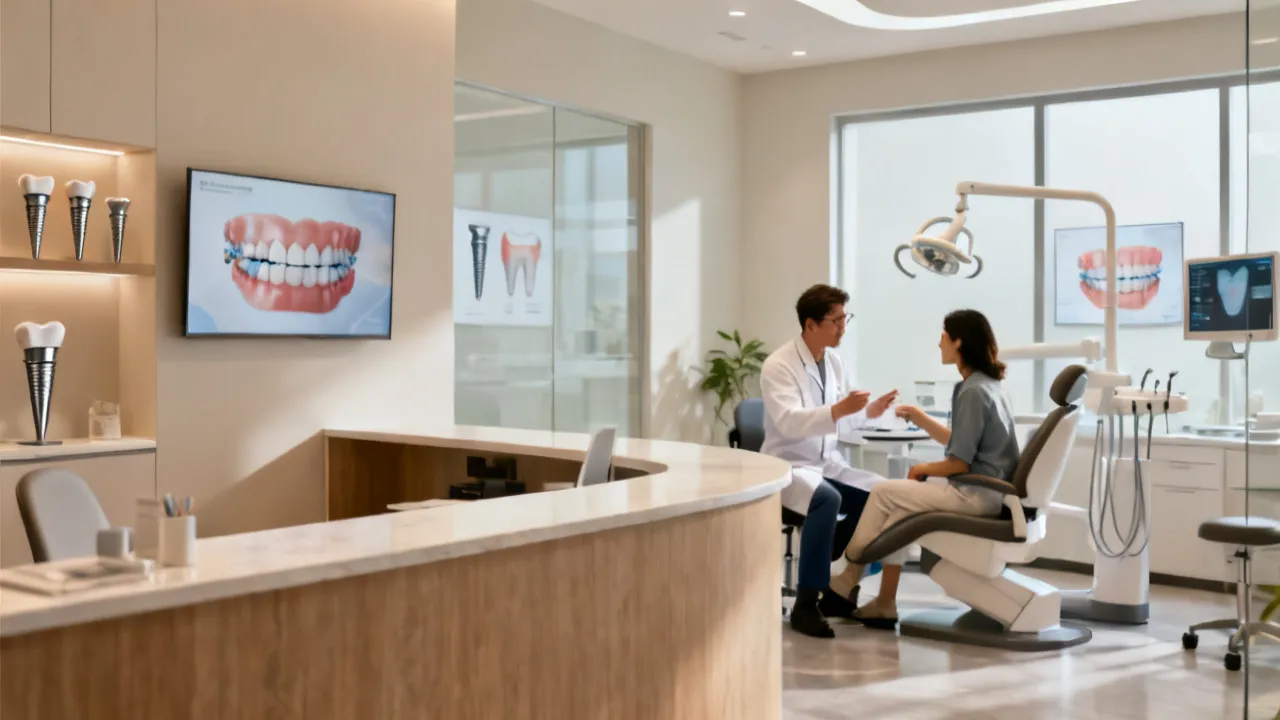
This guide explains how to find the right “Orthodontist in My Area” while evaluating dental implant affordability, treatment pathways, and practical next steps. It provides objective background on orthodontic care, what to expect during consultations, and how low-cost implant options may be structured across English-, Spanish-, and Portuguese-speaking countries, including cost ranges for single implants.
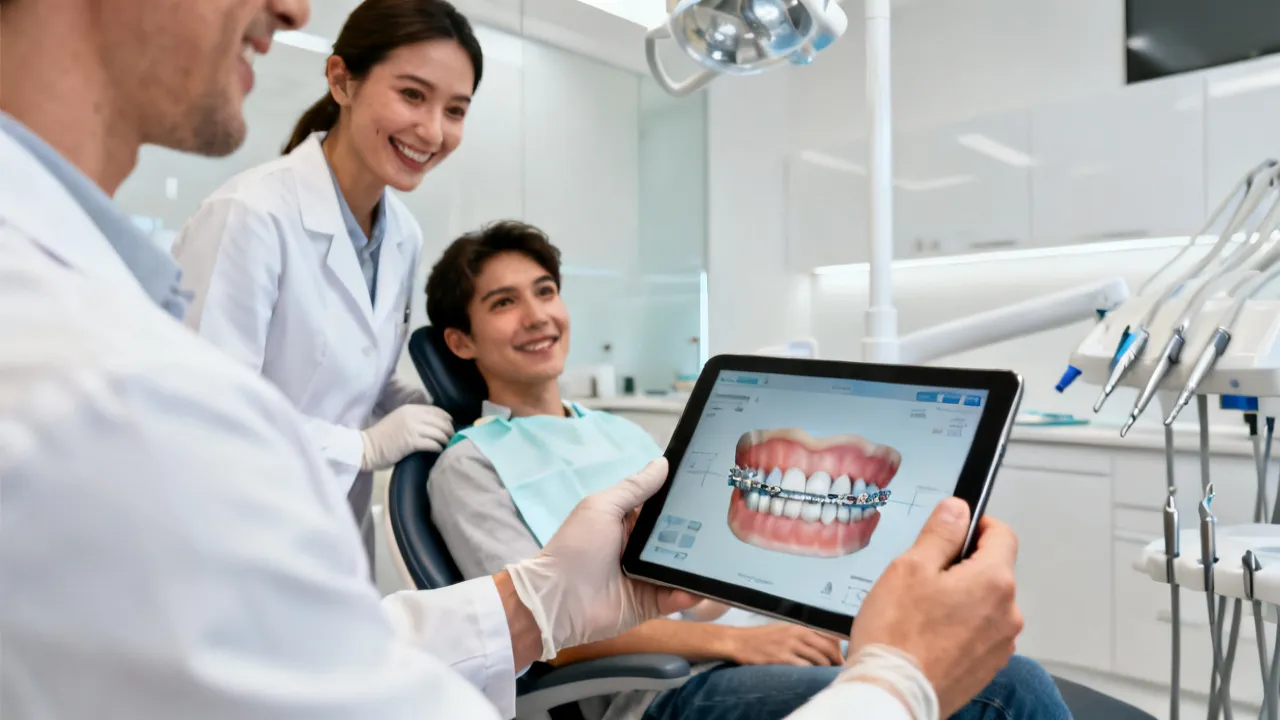
This guide explains how to find an Orthodontist in My Area and how that choice connects to good outcomes—especially if you need dental implants. It also reviews online resources for low-cost implant information, outlines practical steps to obtain implants at lower cost in English-, Spanish-, and Portuguese-speaking countries, and summarizes typical price ranges by country.
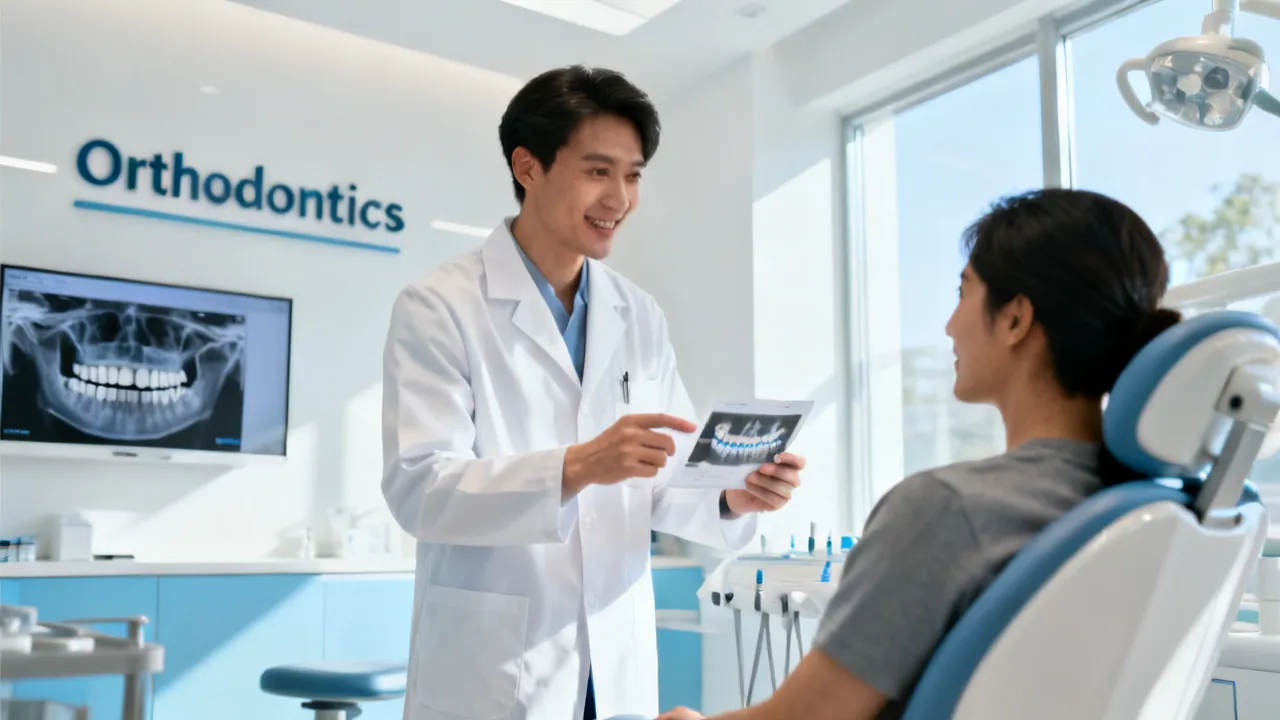
This guide explains how to find an Orthodontist in My Area nearby, what to expect when implant treatment is considered, and how to evaluate total costs responsibly. It also outlines step-by-step ways patients pursue low-cost dental implants, provides typical cost ranges by country, and includes practitioner-oriented FAQs to help you make informed decisions.
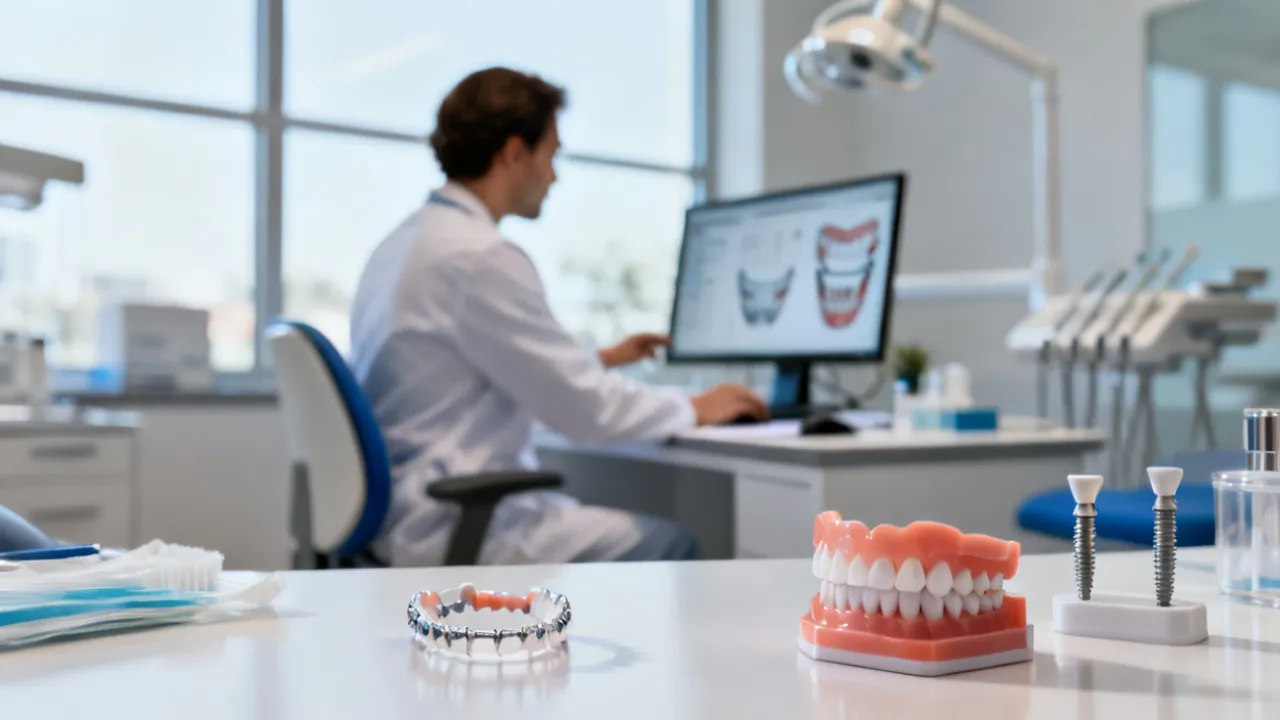
Choosing an Orthodontist in My Area is more than finding a nearby clinic—it’s matching your oral health needs with the right expertise, technology, and care plan. This objective guide explains how orthodontic evaluation works, what influences treatment cost, and how to approach low-cost dental implants responsibly, including practical steps, typical price ranges by country, and key FAQs.
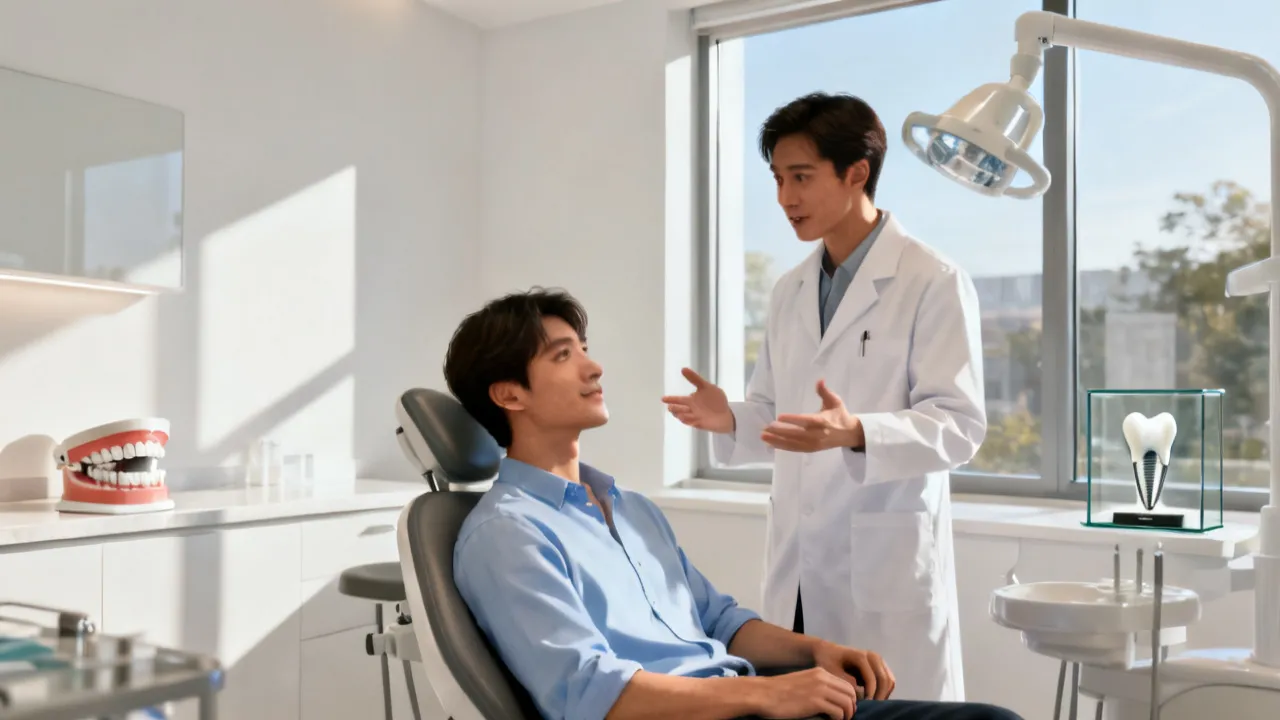
Choosing the right care team matters when you’re searching for an “Orthodontist in My Area.” This guide explains how orthodontic planning connects with dental implants, what to ask during consultations, and practical ways to explore low-cost implant options. It also covers typical price ranges across English-, Spanish-, and Portuguese-speaking countries, plus expert guidance and FAQs.
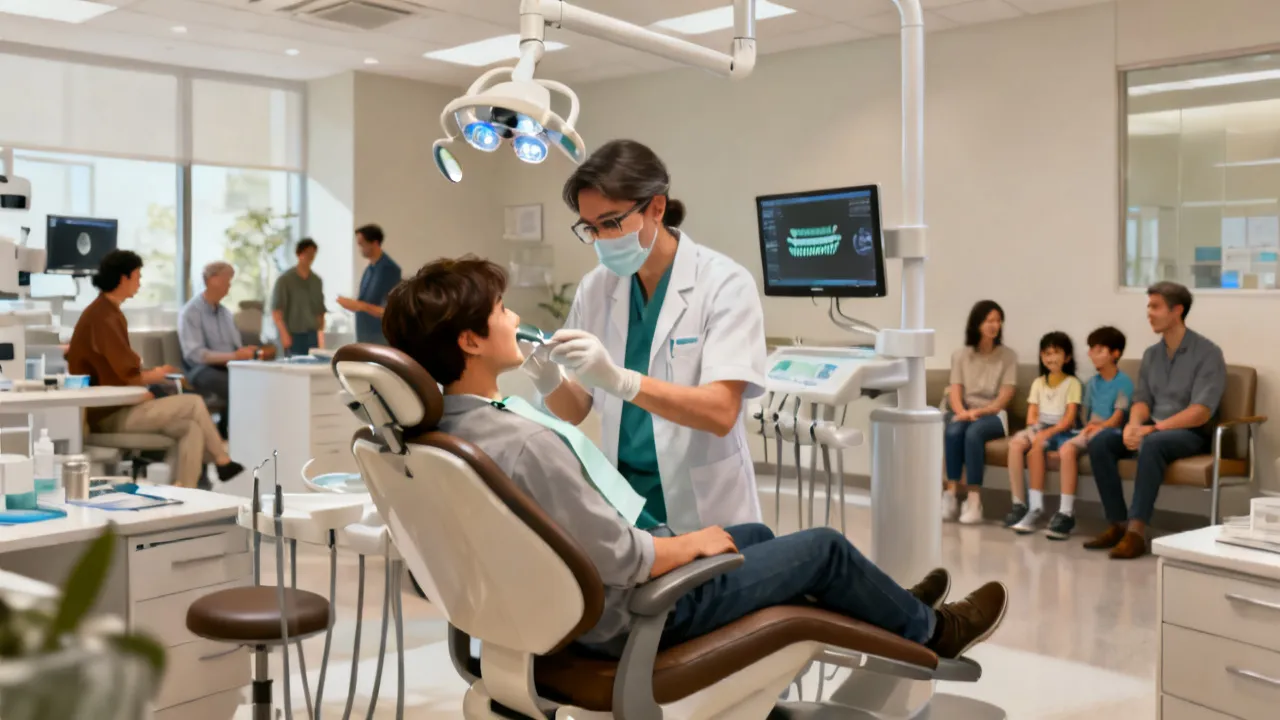
This guide explains how to choose an orthodontist nearby while understanding how dental implants factor into overall treatment planning. It reviews selection criteria, typical next steps, and realistic cost ranges across English-, Spanish-, and Portuguese-speaking countries. You’ll also find a practical checklist, implant affordability strategies, and FAQs to support objective decision-making when planning care.
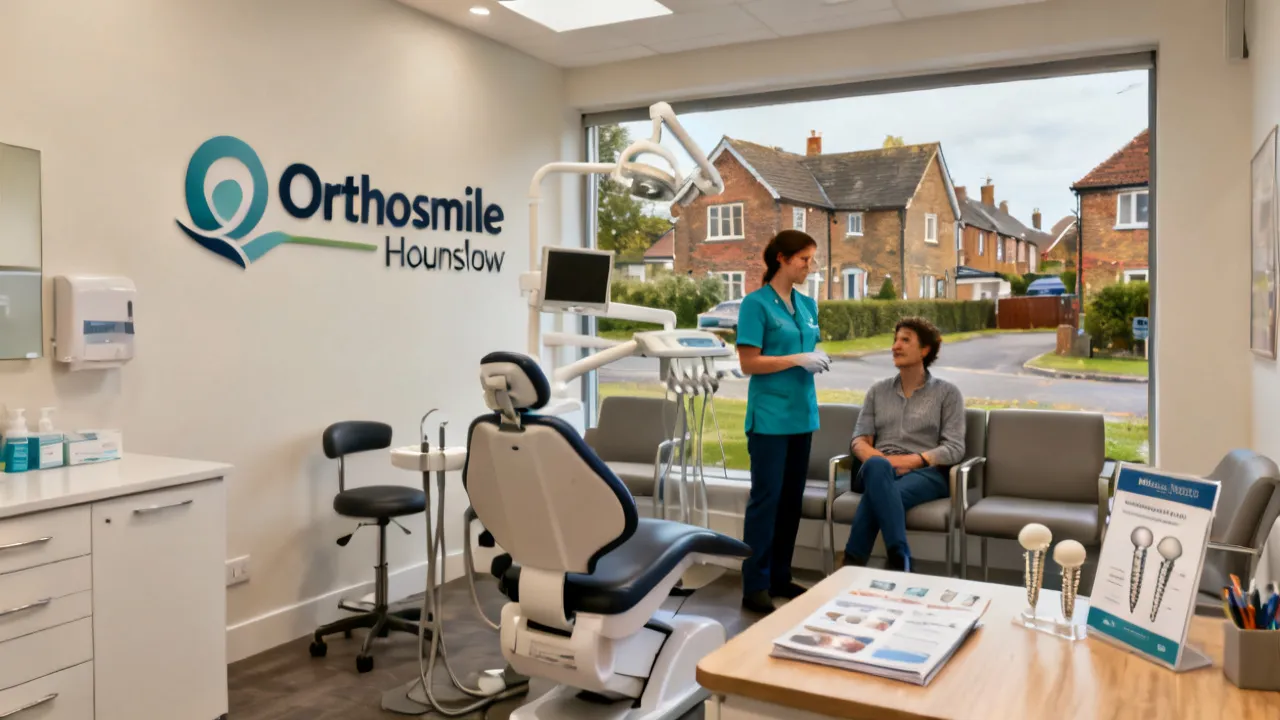
This expert guide explains what to consider when choosing Orthosmile Hounslow for orthodontic care and dental implant treatment. It reviews how low-cost implant decisions work across English-, Spanish-, and Portuguese-speaking patient pathways, outlines typical cost ranges, and provides a practical step-by-step checklist plus FAQs—so you can plan consultations with clearer expectations.
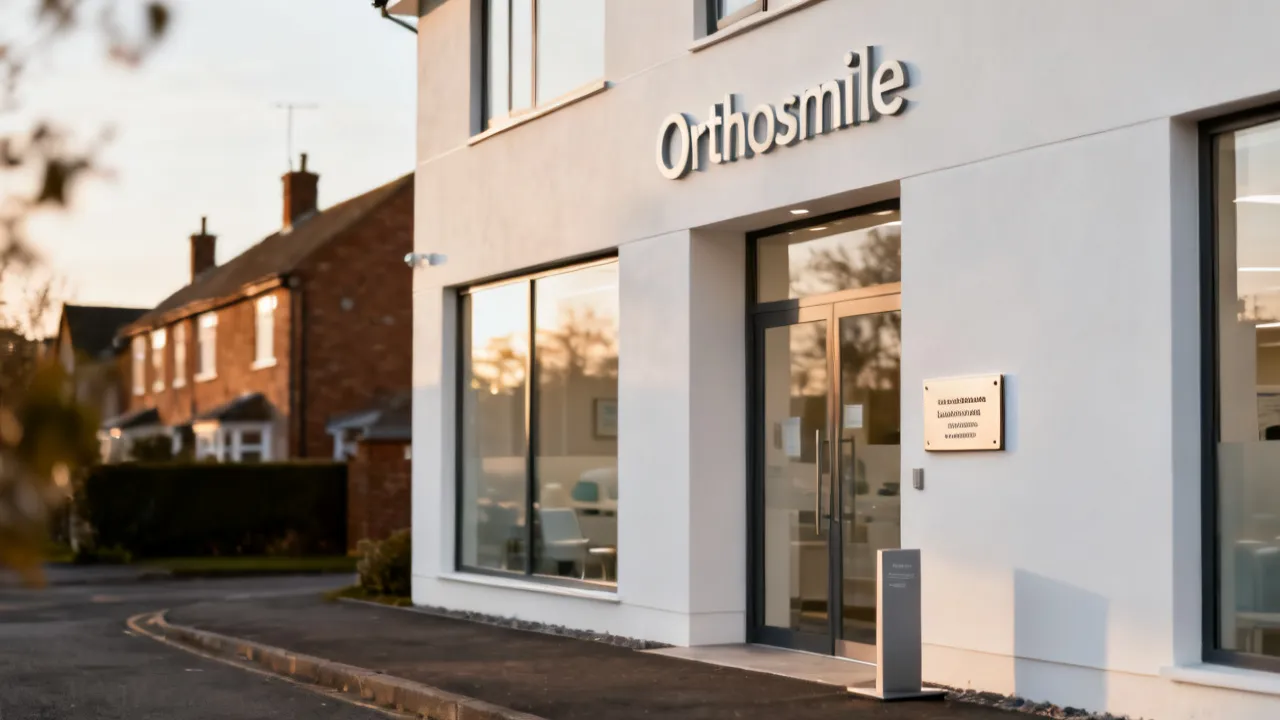
This guide explains how Orthosmile Hounslow supports patients comparing dental implant pathways, clinical steps, and realistic cost expectations. It also reviews how English-, Spanish-, and Portuguese-speaking countries approach affordability, including low-cost implant information sources, insurance considerations, and typical pricing bands from October 2023-era online references, with clear requirements and FAQs.