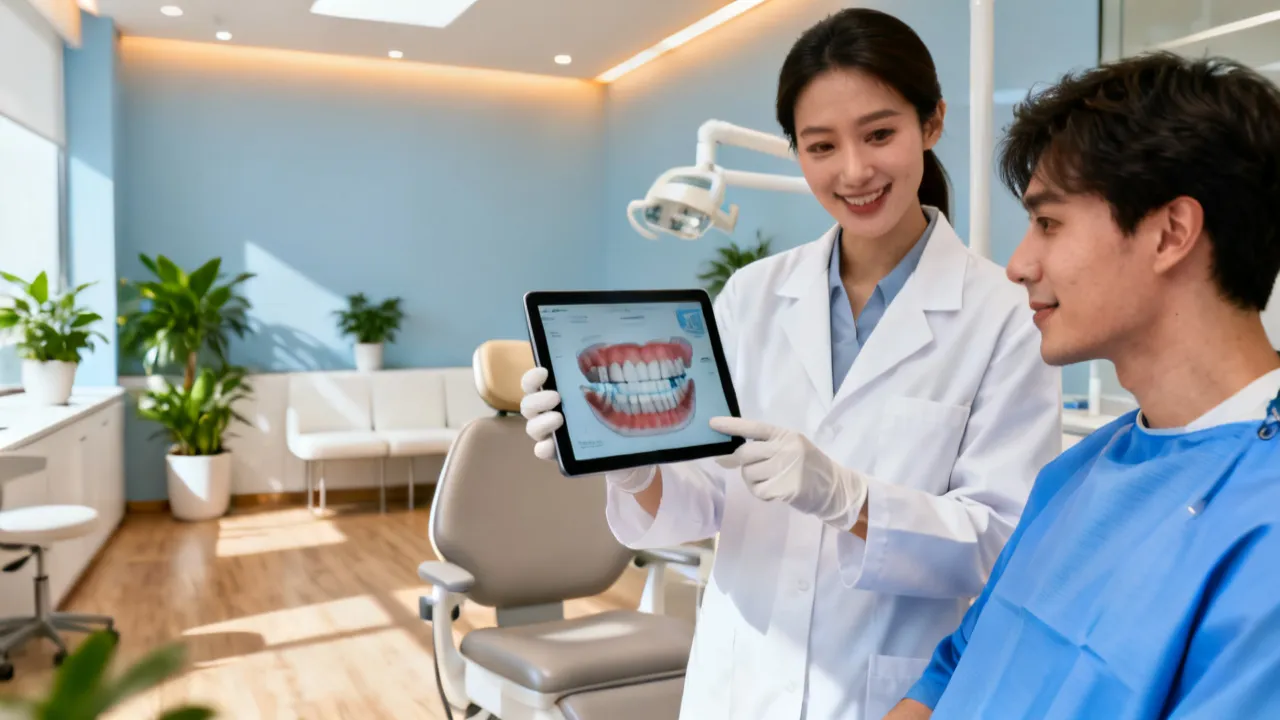
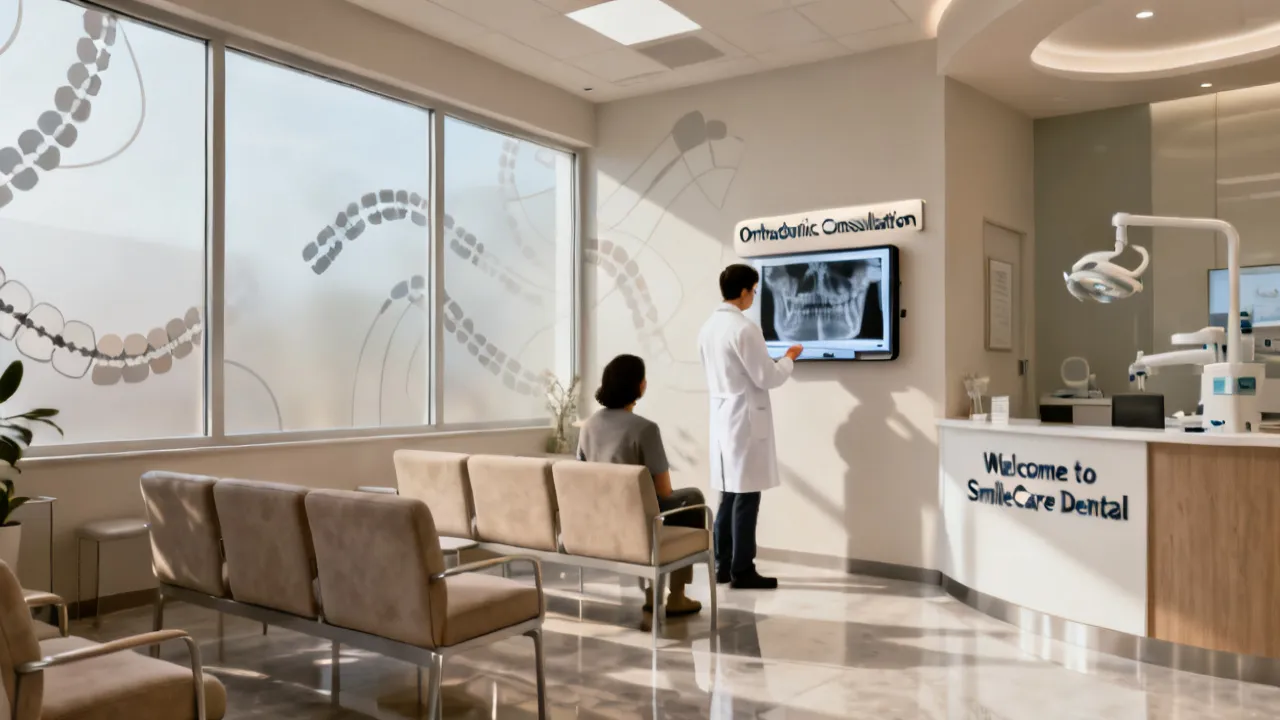
This guide explains how to choose an orthodontist nearby while understanding how dental implants factor into overall treatment planning. It reviews selection criteria, typical next steps, and realistic cost ranges across English-, Spanish-, and Portuguese-speaking countries. You’ll also find a practical checklist, implant affordability strategies, and FAQs to support objective decision-making when planning care.
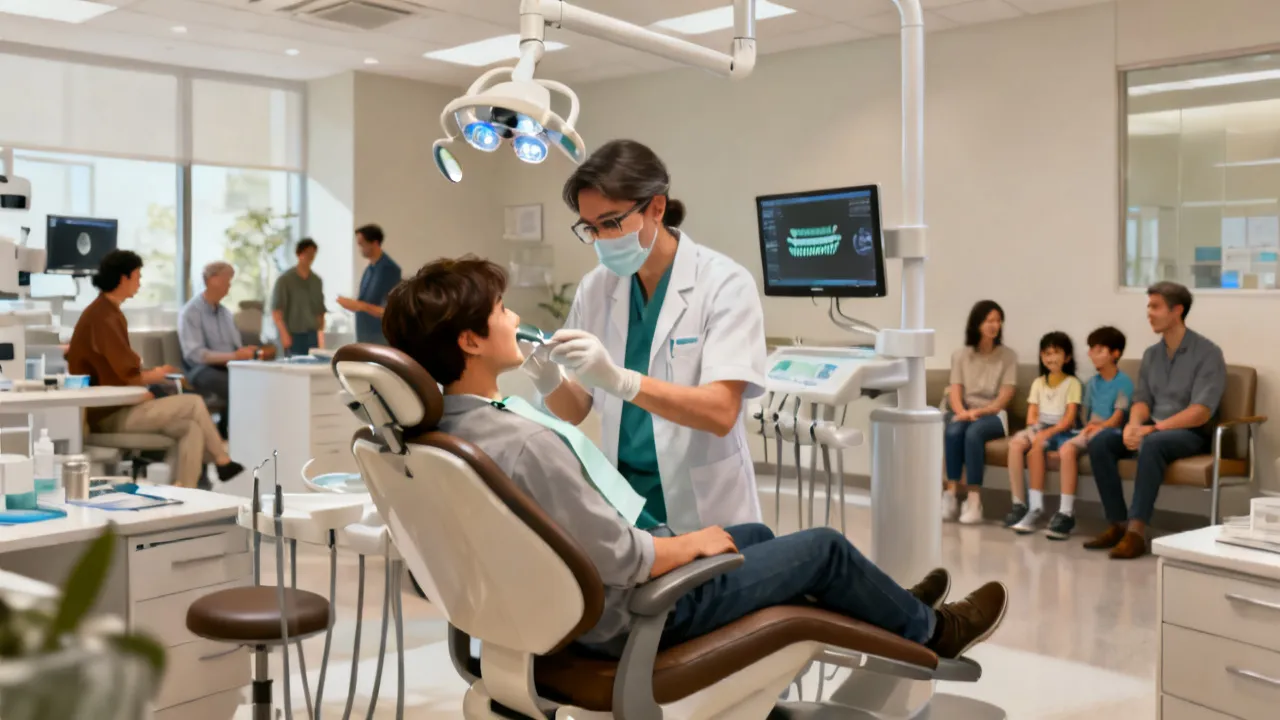
When people search for an “Orthodontist in My Area,” they’re usually looking for clear answers: who can correct alignment, how soon care can begin, and what the full timeline looks like if teeth are missing or occlusion needs to be restored. But behind those straightforward questions sits a more complex clinical reality: orthodontics is often the “mechanics” portion of a longer restorative journey. For many patients—especially adults who may already have missing teeth, unstable bites, or prior restorations—choosing the right nearby orthodontic provider can influence not only how straight teeth become, but also how well the mouth is prepared for future restorative options such as dental implants.
From an industry-expert standpoint, orthodontics is rarely an isolated service—particularly when treatment may involve tooth replacement, bite stability, or coordinated care with prosthodontics and oral surgery. Even if you are primarily seeking braces or clear aligners, your orthodontic plan can either preserve—or inadvertently compromise—implant placement options later. That’s because orthodontic tooth movement can change space distribution, alter angulation and root position, and affect the way loads transfer across the jaw. All of these factors can impact whether implant placement is straightforward or whether additional preparatory procedures (like bone grafting or timing adjustments) are required.
In practical terms, an orthodontist’s work may connect with restorative needs in at least three common scenarios: (1) missing teeth that affect space distribution, (2) bite irregularities that change loading patterns on future prosthetic work, and (3) complex patients requiring staged care across specialties. For readers actively comparing options and “low cost dental implants,” the key is to integrate implant planning with orthodontic biomechanics rather than treating them as separate, unrelated workflows.
For example, imagine an adult who lost a molar and now has drifting teeth, crowding, or an uneven bite. If orthodontic treatment is considered, the goal may not be “straight teeth at any cost,” but rather “a stable bite and arch form that can support the future replacement of missing teeth.” If that adult later wants implants, the orthodontist’s ability to maintain or create implant-friendly spacing and alignment becomes crucial. In other words, the “Orthodontist in My Area” search should be treated as a decision about the foundation for long-term outcomes—not simply the start of braces.
Additionally, nearby orthodontic providers can improve real-world adherence. Orthodontic care requires frequent visits, ongoing adjustments, and consistent retention. When you are coordinating orthodontics with implant timing (which may involve surgical appointments and follow-up evaluations), proximity can reduce delays and help you maintain continuity of care. Continuity matters because implant planning depends on stability: bone healing, soft-tissue conditions, and occlusal relationships all evolve over time. A local team that can communicate effectively with your restorative or surgical providers can keep the timeline on track.
Orthodontists diagnose and treat malocclusion—misaligned teeth and jaw relationships—using appliances such as braces, clear aligners, retainers, and other systems guided by cephalometrics, intraoral scans, and clinical measurements. Their objective is stable bite function and durable esthetic and functional results. That means orthodontics is not just about cosmetic alignment; it’s about how your teeth come together, how your jaw moves, and how your bite supports chewing efficiently without overloading specific teeth or areas.
Dental implants, meanwhile, are prosthetic foundations placed in the jawbone to support crowns, bridges, or overdentures. They are a surgical-restorative solution rather than an orthodontic one. But clinically, implants can become relevant to orthodontic planning when:
This is why a “nearby” provider who collaborates with implant and restorative professionals can often reduce friction in the treatment pathway. When communication is strong, the orthodontist may intentionally plan tooth movements to maintain space where an implant crown will eventually sit, or coordinate bite adjustments so implant restorations do not end up in traumatic occlusion. When communication is weak, you may end up with misaligned restorative outcomes—such as implant crowns that don’t properly contact adjacent teeth, or bite discrepancies that increase wear and discomfort.
It also helps to understand that “implant-ready care” is often a multi-phase concept. Sometimes orthodontics comes first to create the proper space, angulation, and occlusion. Sometimes implant placement comes first, followed by orthodontic adjustments to optimize spacing or bite. Sometimes the plan involves parallel staging or close sequential coordination. The correct order depends on your anatomy, your bite, your periodontal health, and the specific goals of your restorative dentist and implant surgeon.
When you’re searching for an orthodontist near you, you’re really asking: “Can this provider create a plan that supports the future restoration of missing teeth?” The answer is not determined by friendliness alone or by marketing language; it’s determined by diagnostic rigor, planning transparency, and interdisciplinary coordination.
Because “Orthodontist in My Area” searches vary by region, it helps to apply consistent criteria. The goal is not to find the low price appointment, but the very predictable pathway to the result you want. While websites can show photos and testimonials, the safest approach is to treat the initial consultation as a diagnostic meeting. You want enough clinical information to understand whether your case is likely to require coordination with prosthodontics or implant planning.
Use a checklist so you can compare clinics objectively. Many patients skip this step and end up choosing based on convenience or a single conversation. But orthodontic treatment is long-term. If you’re investing months or years into aligners or braces, you want a provider who can demonstrate planning discipline and realistic communication.
Beyond credentials, pay attention to how the clinic describes decision-making. The best providers don’t “wing it.” They use diagnostic records to support their plan. They may also describe how they track treatment progress and when they pivot based on actual findings.
High-quality clinics typically start with diagnostic imaging and records (e.g., intraoral scans, panoramic radiographs, cephalometric assessment). Some practices also use 3D imaging, digital models, and comprehensive periodontal evaluation. From a clinical standpoint, cost estimates are only meaningful when they correspond to the actual treatment mechanics.
If a clinic gives you a price before you’ve had diagnostic records, that can be a warning sign. Of course, some basic estimate ranges may be possible for typical cases, but implant-related orthodontics and restoration coordination can be highly variable. A tooth that needs movement to create implant spacing is not the same case as a tooth that needs only minor alignment.
In the context of missing teeth, a good diagnosis may include assessing:
Transparency also includes discussing retention. Many patients are surprised that retention is not optional. A reliable orthodontic plan includes a clear strategy for protecting tooth position long after active treatment ends. Retention is even more critical when the outcome will be relied upon to support a future implant restoration. If teeth shift after orthodontic finishing, it can change space and compromise the fit of restorative work.
Orthodontics relies on scheduled adjustments and monitoring. Ask about appointment frequency, retention protocol, and what happens if progress deviates from the plan. For implant-related cases, you also want clarity on how implant-related timelines affect orthodontic adjustments.
Consider asking:
A clinic with a well-defined follow-up approach is more likely to deliver predictable results and reduce the probability of costly “surprises” later.
Patient-centered communication also includes emotional support. Orthodontic treatment can change your daily life—eating patterns, comfort, confidence, and time commitment. A clinic that explains what to expect reduces stress and improves adherence, which can affect outcomes.
Finally, in implant-related planning, communication should include cross-team alignment. A clinic that can coordinate and document information flow can prevent misalignment between orthodontic goals and restorative realities.
People comparing “low cost dental implants” often focus on the final price. However, industry-leading practice emphasizes that affordability must be weighed against clinical appropriateness—particularly bone quality, implant selection, and the restorative plan.
Implants are not a single-price commodity. The “low cost” label may reflect different circumstances: different implant systems, different surgical complexity, different levels of imaging and planning, different expectations of adjunct procedures (like grafting), and different restorative component choices (such as custom abutments and crown materials). If you compare two clinics without controlling for those variables, you might end up thinking one plan is cheaper while the total cost—including potential additional procedures—could become similar or even higher.
Websites such as Dental Views (which focuses on low-cost implant information and common questions) and dental clinics like Atlantic Dental Group (offering comprehensive services and the ability to schedule care) can help patients understand the general implant pathway and typical cost drivers. For patients considering cross-border options, dental tourism platforms such as DentaVacation describe how travelers compare costs and arrange logistics, though readers should evaluate clinical standards carefully before selecting any provider.
But beyond reading resources, patients need a structured affordability approach. The safest definition of “low cost” is “low cost for the right treatment plan.” If an implant plan is appropriate, evidence-based, and supported by diagnostic records, then the cost may truly reflect value rather than reduced care.
When orthodontic treatment is also part of the plan, “affordability” must include the cost of sequencing and coordination. For example:
In other words, low cost is not just the implant line item. It can include the cost of ortho adjustments, retention devices, follow-up visits, interim solutions, and possible bone/soft tissue management.
Another affordability factor is the structure of the financing plan. Some patients can access staged payments or packages that reduce monthly stress without lowering clinical standards. Transparency matters: a package that clearly states what’s included and what’s not is usually safer than a vague “discount” promise.
| Website (Topic Fit) | What It Commonly Covers |
|---|---|
| Dental Views | Low-cost implant concepts, benefits, implant process overviews, common FAQs, and pricing-related considerations. |
| Atlantic Dental Group | Broad clinic services (including orthodontics and implants), scheduling information, and how patients can access care. |
| DentaVacation | Dental tourism planning, cost comparisons by country, and travel considerations for more affordable treatment. |
| Rockville Dental Arts (ADHP-related) | Insurance guidance context (ADHP), helping patients understand coverage approaches to reduce out-of-pocket expenses. |
source of the information: https://dentalviews.com/low-cost-dental-implants/
source of the information: https://www.atlanticdentalgrp.com/
source of the information: https://www.dentavacation.com/
source of the information: https://rockvilledentalarts.com/es/
Below is a structured pathway that helps patients pursue affordability while keeping clinical decision-making grounded in diagnostic reality. The process is applicable to many “Orthodontist in My Area” workflows, especially for patients who may require orthodontic alignment before or after restorative work.
While you can use this as a general guide, treat it as a decision-support framework rather than a substitute for personal medical evaluation. Each case is different. The goal is to help you ask the right questions, prevent incomplete quotes, and ensure your orthodontic and implant planning do not unintentionally conflict.
For affordability, this step is not only about clinical safety. It’s also about avoiding unnecessary expenses later. When diagnosis is incomplete, you may pay for an implant plan that later reveals you needed a graft or soft-tissue correction. Good diagnosis can help you plan earlier and reduce surprise costs.
Low cost does not always mean “lower quality,” but it requires clarity. Request a plan that identifies:
What matters most is whether adjunct procedures are truly needed. A responsible clinic will explain why grafting or soft-tissue procedures are recommended, what risks they address, and what happens if you defer them. If a provider pressures you to accept add-ons without explanation, that can be a red flag.
Patients often compare only the implant placement fee, but implants involve multiple cost areas: imaging, surgical planning, the implant itself, abutments, crowns, maintenance, and adjustments. When you compare like-for-like, you can evaluate true value rather than only sticker price.
In many healthcare systems, insurance may not fully cover implants, but it can reduce overall costs if some services are eligible. Some informational resources discuss plan-finding and coverage usage approaches (for example, ADHP-related guidance context appears on Spanish-language materials at Rockville Dental Arts).
In addition to insurance, consider:
Always request itemized billing codes or at least an explanation of what portion is covered. This helps you avoid mismatched assumptions that can make costs feel higher than expected.
Some clinics offer staged treatment payments, package scheduling, or transparent pricing models. These approaches can improve affordability while maintaining standard-of-care diagnostics and follow-up.
Look for clinics that can offer:
Affordable care is not only cheaper—it’s also predictable. Predictable timelines can reduce the risk of extended treatment that increases total cost.
If you are considering dental tourism, websites like DentaVacation emphasize travel planning and cost comparisons. However, clinical safety hinges on evidence of provider quality, documented protocols, realistic timelines, and post-operative follow-up capacity after returning home. For orthodontic-implant coordination, continuity of care becomes especially important.
If you ever consider travel-based care, ask detailed questions and ensure you can obtain follow-up support after you return. For implants and orthodontics, follow-up can involve:
Many “cheap” programs become expensive when follow-up is not supported. If you are already close to a competent local team, it may be safer to use local coordination while exploring affordability strategies within the region rather than relying solely on travel cost reductions.
Implants still require ongoing oral hygiene and maintenance. If orthodontics is part of the overall plan, ask how retention will protect the bite and spacing for the long term.
Maintenance questions you should ask include:
Implant failure risk is influenced by multiple factors, including periodontal inflammation, hygiene consistency, and occlusal overload. A clinic that discusses maintenance comprehensively is often more likely to deliver durable outcomes.
The following ranges are provided to help readers understand broad market expectations when comparing clinics. For individualized quotes, always ask for an itemized estimate based on diagnostics.
| Country | Currency | Price Range (Individual Implant) |
|---|---|---|
| United States | USD ($) | $3,000 - $6,000 |
| United Kingdom | GBP (£) | £2,000 - £2,500 |
| Australia | AUD (AU$) | AU$3,500 - AU$6,500 |
| Canada | CAD (CA$) | CA$3,000 - CA$5,500 |
| Spain | EUR (€) | €1,500 - €2,500 |
| Chile | CLP (CLP$) | CLP$800,000 - CLP$1,500,000 |
| Mexico | MXN ($) | $15,000 - $25,000 |
| Colombia | COP ($) | $2,000,000 - $4,000,000 |
| Peru | PEN (S/) | S/ 3,000 - S/ 6,000 |
| Argentina | ARS ($) | $80,000 - $150,000 |
| Brazil | BRL (R$) | R$3,000 - R$8,000 |
| Portugal | EUR (€) | €1,000 - €2,000 |
| Germany | EUR (€) | €2,000 - €3,500 |
| France | EUR (€) | €1,500 - €2,500 |
| Italy | EUR (€) | €1,500 - €3,000 |
| Japan | JPY (¥) | ¥300,000 - ¥700,000 |
Because patients often search in their preferred language and expect clear communication, clinic websites and informational portals may include multilingual versions or dedicated resources. For example, Spanish-language resources can be especially relevant to Spanish-speaking communities, including those highlighted through Rockville Dental Arts (integrated services such as implants, whitening, cleaning, orthodontics, and emergency care).
In addition, there are specialized implant clinics and services geared toward particular implant approaches. Union City Mini Dental Implants, for example, is presented as specializing in miniature dental implant services, which may be discussed as an option when the missing-tooth area is smaller—though suitability always depends on clinical evaluation. Patients should remember that implant types and indications differ, and the “right” implant is the one that matches bone volume, occlusal demands, and restorative goals—not simply the one that sounds less expensive.
For Portuguese-speaking communities in Brazil and Portugal, clinics such as Rubi Odonto (with services including orthodontics, whitening, and implants) and Odontologia Velasco (implant and aesthetic services) illustrate how local care can combine multiple specialties under one network. DentalVidas is described as offering dental plans with broad access and emergency support; plan structures may influence out-of-pocket expenses for some services, depending on local policy rules.
When language support and local accessibility are strong, communication improves—especially around complex timelines. Orthodontics and implants require detailed explanation about follow-ups, comfort expectations, and what to do if problems occur. If you understand your plan and your next steps, it becomes easier to stay on schedule, which can protect both results and overall cost.
Another country-context factor is how billing and care pathways are structured. Some regions emphasize package care, while others rely more on itemized billing per component and per appointment. When comparing pricing across areas, consider the structure of the quote, not just the numeric totals.
A: In many cases, coordination is possible, but the timing depends on your bite correction goals, implant site readiness, and how tooth movement affects space and loading. The very important step is a single, integrated treatment plan that aligns orthodontic biomechanics with the implant/restorative timeline. In some scenarios, implants may be placed first and orthodontics may follow to optimize alignment; in others, orthodontics may create ideal spacing before implant placement.
A: The decision usually depends on whether a tooth is missing, whether the space can be closed safely, and how periodontal and bone health respond to orthodontic forces. Diagnostic imaging and clinical assessment are required before meaningful cost or treatment pathway decisions can be made. If the missing tooth leads to significant bone loss or drift that cannot be corrected orthodontically, implants may become the more functional restorative solution.
A: Not necessarily. Cost can vary due to factors such as clinical setting, component choices, and whether adjunct procedures (like grafting) are needed. What matters is whether the chosen approach is appropriate for your anatomy and good restorative goals. Ask for an itemized plan to understand what is included. If a quote is cheaper but excludes important components, follow-ups, or maintenance, it may not be a true low cost option.
A: Ask about diagnostic records, treatment objectives, retention strategy, expected visit schedule, and how the clinic coordinates with implant and restorative care if you have missing teeth or a complex bite. Also request a written estimate and confirm what follow-up is included. You may also ask: “If I want implants later, will my orthodontic plan maintain the space and conditions needed for them?”
A: Insurance coverage varies by plan, region, and eligibility. Some informational resources discuss how dental insurance plans may help reduce expenses for covered services. If you suspect implants may be part of your plan, ask the clinic to help you understand which components might be covered and what documentation is needed. Even when implants themselves are not fully covered, some related services may be partially covered depending on local rules.
A: It can be cost-effective for some patients, but reliability depends on provider quality, surgical standards, documentation, and the ability to manage post-operative care after you return home. For orthodontic-implant coordination, continuity matters, so confirm follow-up arrangements in advance. Ask for detailed treatment documentation and ensure you have local providers willing and able to support follow-up care if complications arise.
A: Often, it’s incomplete quotes—such as excluding imaging, crown/bridge components, interim solutions, or follow-up care. Another risk is assuming grafting or additional procedures won’t be required. Always seek a detailed estimate tied to diagnostics. If possible, ask the clinic to explain what changes could increase or decrease cost depending on findings.
A: Often, orthodontics and implants are planned together rather than in isolation. In general terms, orthodontics may be needed to create space and optimize tooth angulation before implants are placed, or implants may be placed first if bone conditions and occlusal goals favor that sequencing. The correct answer depends on your case specifics, such as how much drifting has already occurred and whether the site has sufficient bone volume and healthy soft tissue.
A: Your bite influences how forces are distributed when you chew. Excessive or misdirected forces can contribute to wear, loosening risk, or complications in some cases. That’s why orthodontic bite correction may be relevant. A coordinated plan helps ensure that the final implant restoration supports stable occlusion.
From an industry-expert perspective, the top outcome usually comes from aligning three elements: clinical appropriateness, treatment sequencing, and cost transparency. When you search for an “Orthodontist in My Area,” use that entry point to ask whether your orthodontic plan supports future restoration options—including implants—if needed. Your orthodontic goals should be compatible with how you eventually want to restore missing teeth and achieve stable bite function.
If affordability is a priority, use a structured approach: compare like-for-like quotes, understand whether adjunct procedures are included, and confirm good maintenance expectations. If you are exploring low-cost implant options through information portals or clinic networks, treat them as educational starting points—then verify specifics in a consultation. Avoid making decisions based solely on initial pricing or promotional discounts.
Finally, remember that a credible plan is not only about the initial appointment: it should explain how changes in tooth position, gum health, and bite relationships will be monitored over time. A strong provider will show you a timeline of what happens next, including:
Choosing the right orthodontist nearby is therefore not just about finding a provider who can straighten teeth. It’s about selecting a team that understands how orthodontic mechanics interact with implant planning and restorative success. When you make that connection early—through careful questions, transparent planning, and appropriate diagnostics—you can pursue a treatment path that is both safer and more financially predictable, even when exploring low-cost implant options.
1) The above information comes from online resources, and the data is as of October 2023. 2) Dental implant prices are for reference only and may vary by region, clinic and doctor.
https://dentalviews.com/low-cost-dental-implants/
https://www.atlanticdentalgrp.com/
https://www.dentavacation.com/
https://rockvilledentalarts.com/es/
https://www.cigna.com/es-us/knowledge-center/guide-to-dental-implants
https://unioncityminidentalimplants.com/es/
https://www.rubiodonto.com.br/
https://odontologiavelasco.com.br/
https://dentalvidas.com.br/
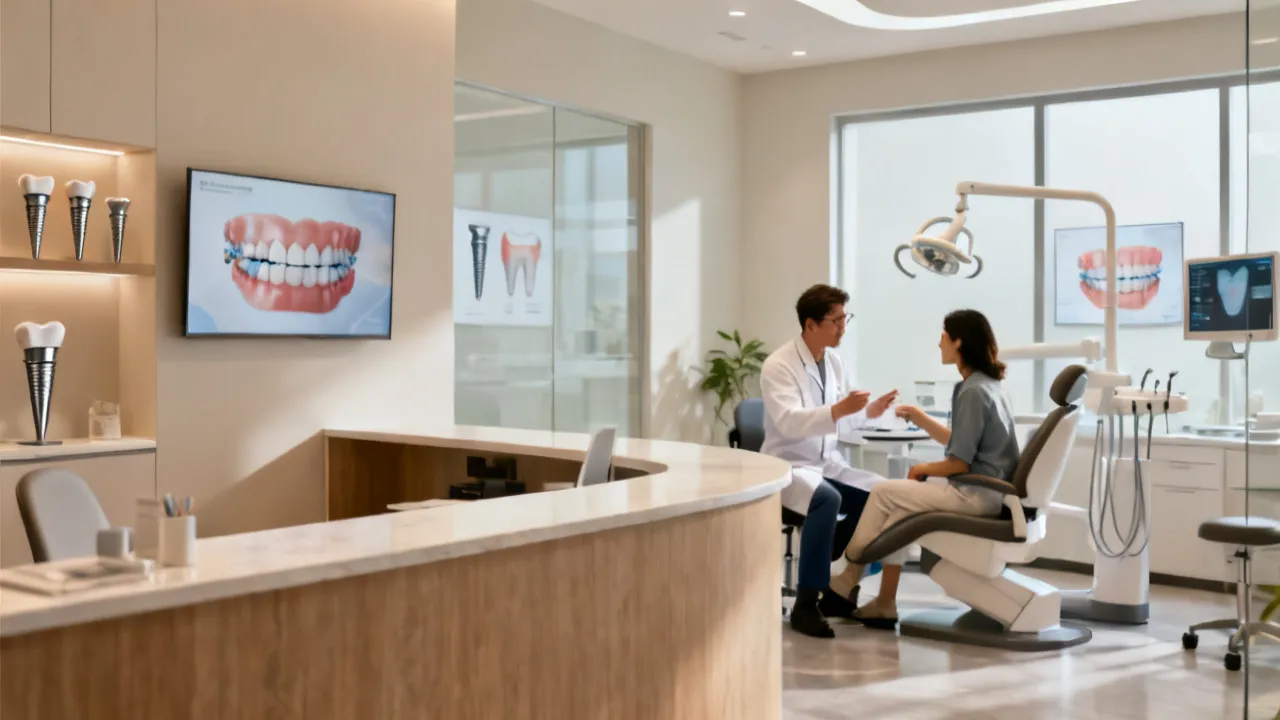
This guide explains how to find the right “Orthodontist in My Area” while evaluating dental implant affordability, treatment pathways, and practical next steps. It provides objective background on orthodontic care, what to expect during consultations, and how low-cost implant options may be structured across English-, Spanish-, and Portuguese-speaking countries, including cost ranges for single implants.
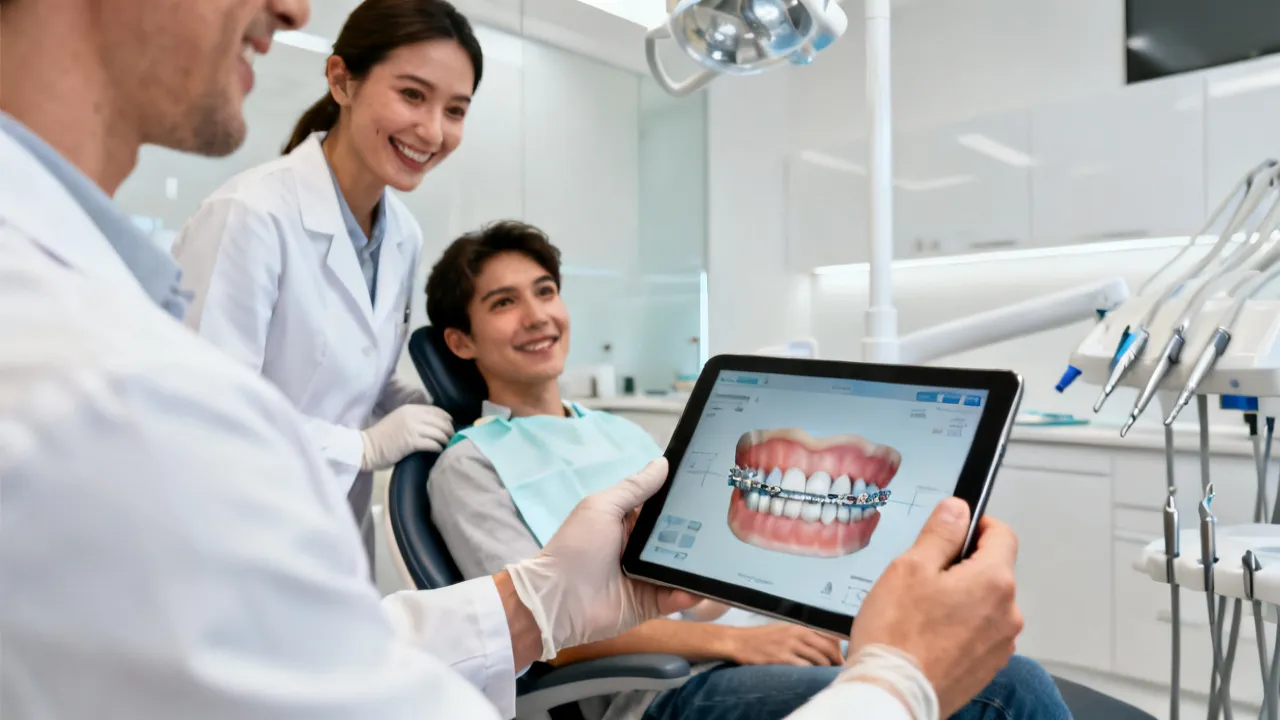
This guide explains how to find an Orthodontist in My Area and how that choice connects to good outcomes—especially if you need dental implants. It also reviews online resources for low-cost implant information, outlines practical steps to obtain implants at lower cost in English-, Spanish-, and Portuguese-speaking countries, and summarizes typical price ranges by country.
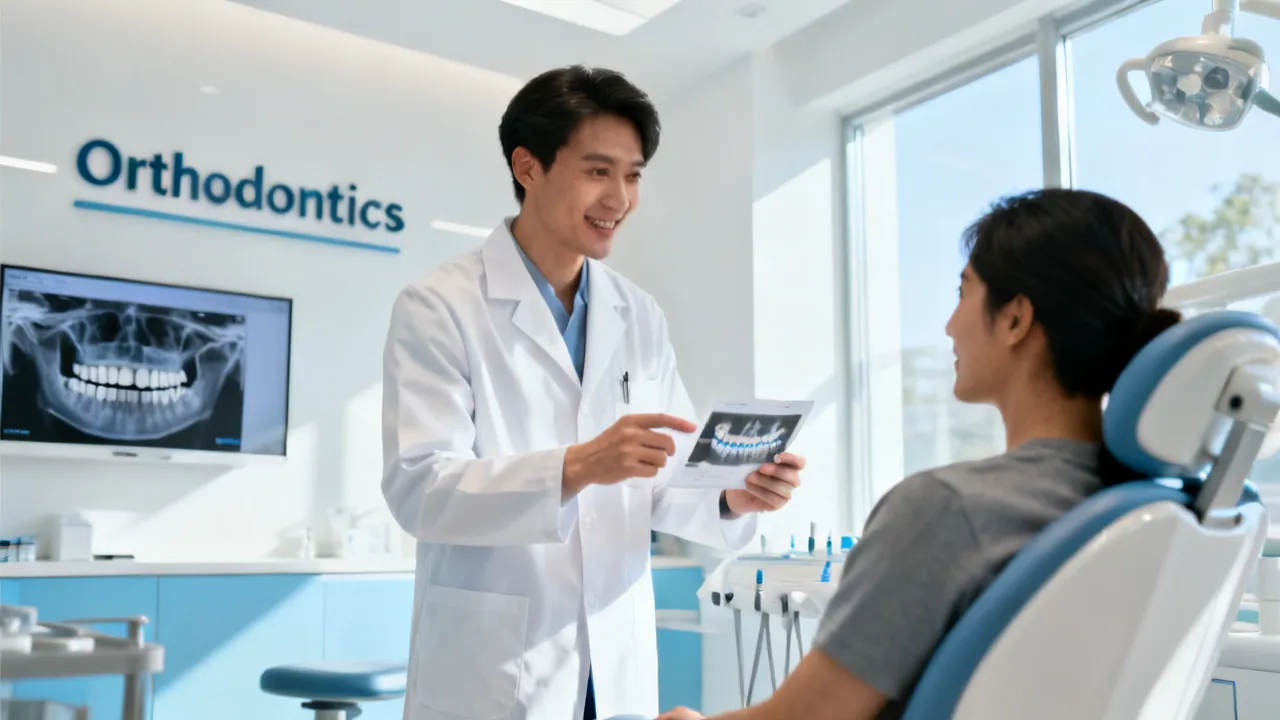
This guide explains how to find an Orthodontist in My Area nearby, what to expect when implant treatment is considered, and how to evaluate total costs responsibly. It also outlines step-by-step ways patients pursue low-cost dental implants, provides typical cost ranges by country, and includes practitioner-oriented FAQs to help you make informed decisions.
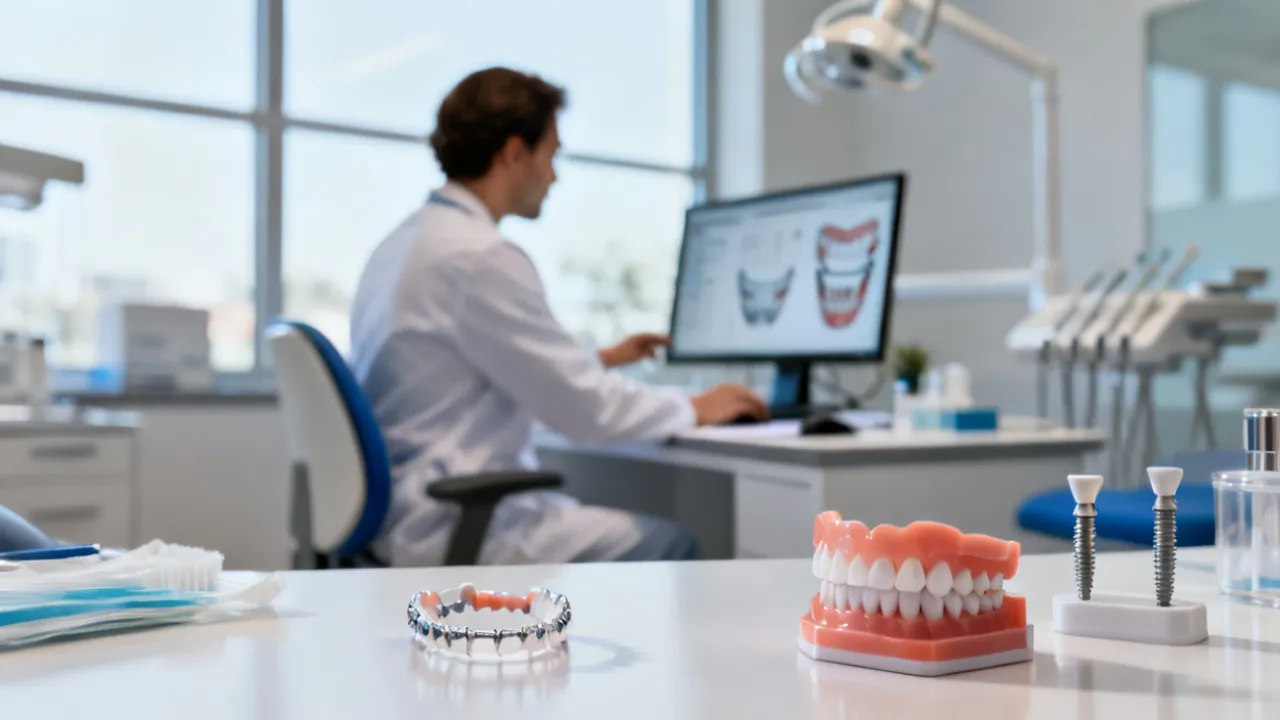
Choosing an Orthodontist in My Area is more than finding a nearby clinic—it’s matching your oral health needs with the right expertise, technology, and care plan. This objective guide explains how orthodontic evaluation works, what influences treatment cost, and how to approach low-cost dental implants responsibly, including practical steps, typical price ranges by country, and key FAQs.
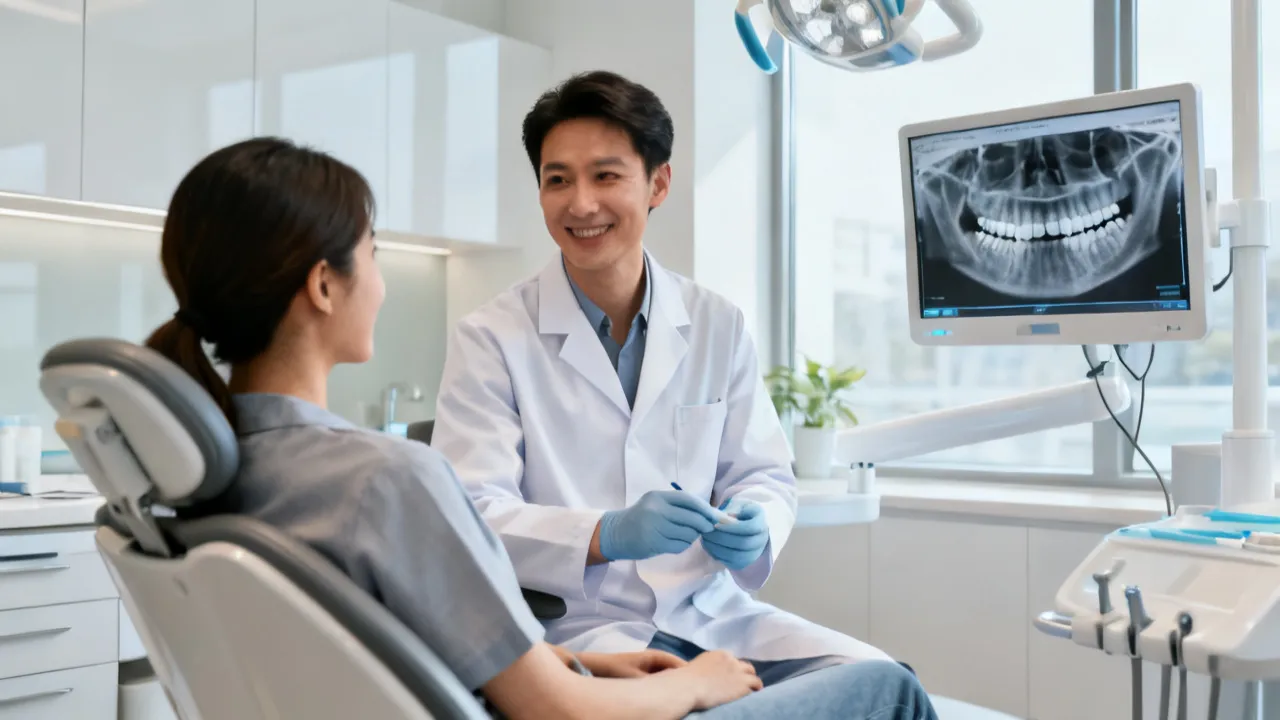
This guide helps you evaluate an Orthodontist in My Area (“nearby”) by focusing on qualifications, diagnostic approach, treatment options, and total cost planning. It also explains how low-cost dental implant information is used responsibly when comparing care paths across English-, Spanish-, and Portuguese-speaking countries. Practical FAQs are included for orthodontic starters and implant-adjacent cases.
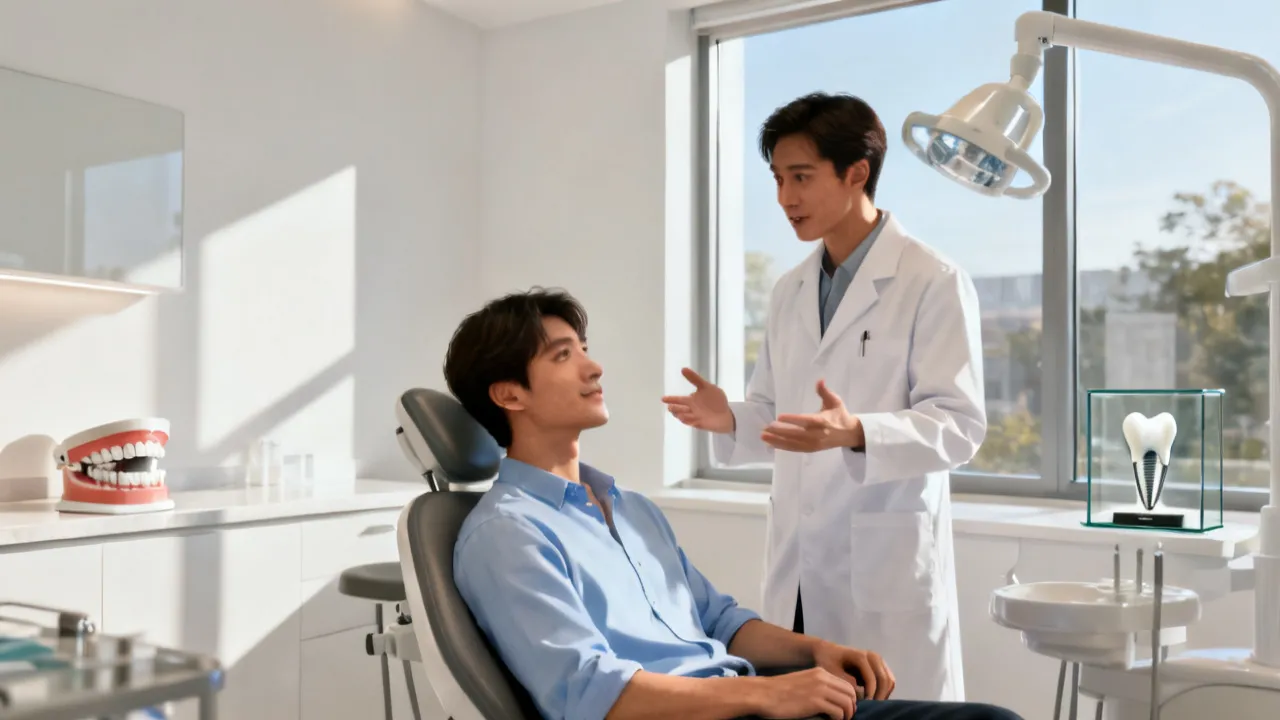
Choosing the right care team matters when you’re searching for an “Orthodontist in My Area.” This guide explains how orthodontic planning connects with dental implants, what to ask during consultations, and practical ways to explore low-cost implant options. It also covers typical price ranges across English-, Spanish-, and Portuguese-speaking countries, plus expert guidance and FAQs.
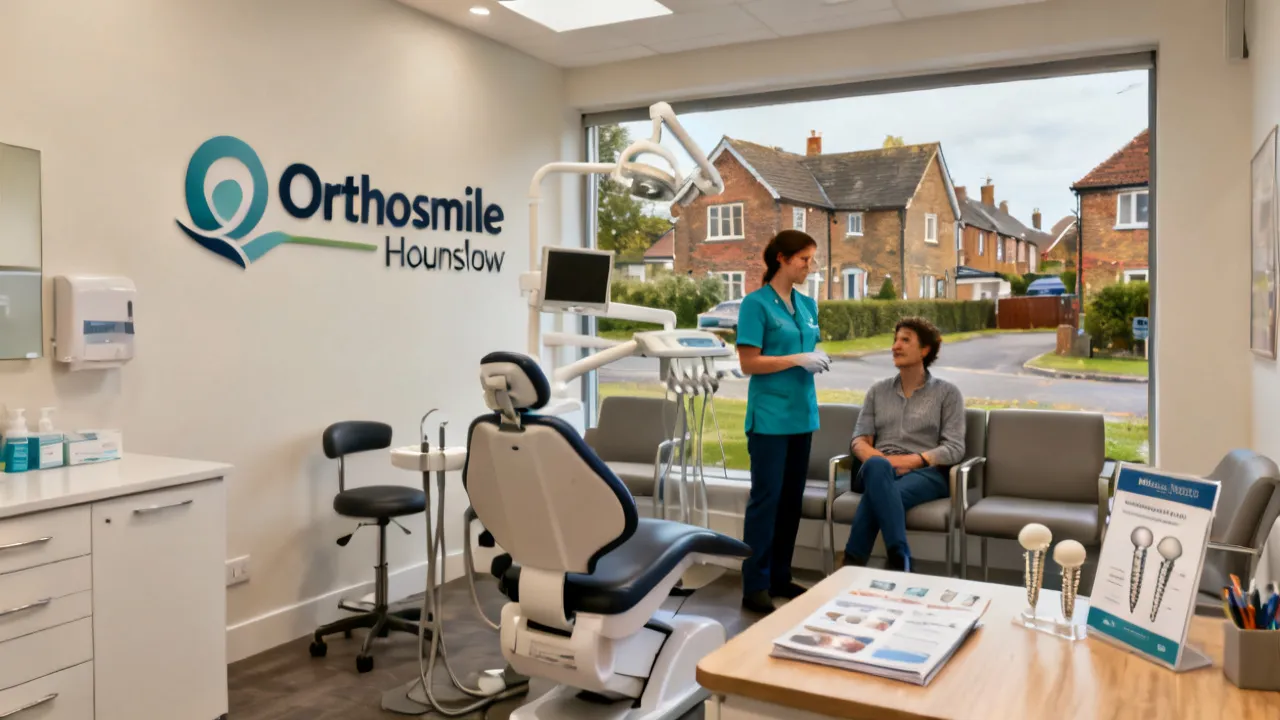
This expert guide explains what to consider when choosing Orthosmile Hounslow for orthodontic care and dental implant treatment. It reviews how low-cost implant decisions work across English-, Spanish-, and Portuguese-speaking patient pathways, outlines typical cost ranges, and provides a practical step-by-step checklist plus FAQs—so you can plan consultations with clearer expectations.
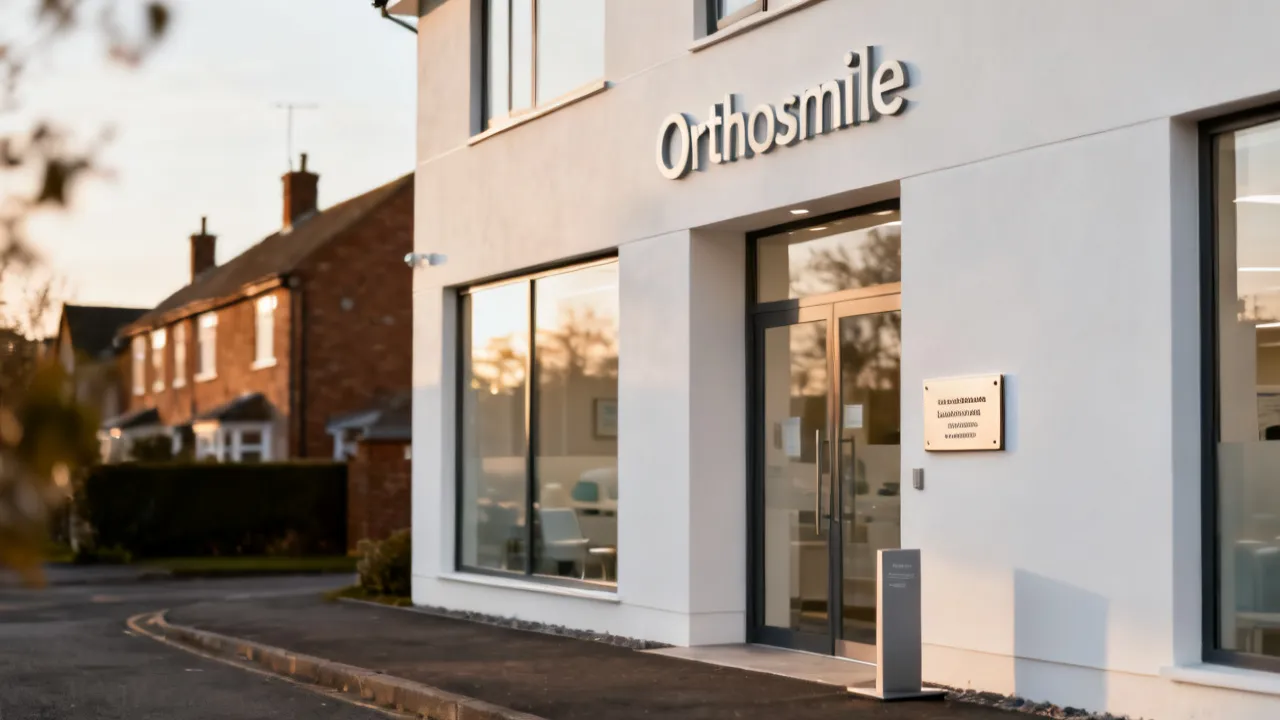
This guide explains how Orthosmile Hounslow supports patients comparing dental implant pathways, clinical steps, and realistic cost expectations. It also reviews how English-, Spanish-, and Portuguese-speaking countries approach affordability, including low-cost implant information sources, insurance considerations, and typical pricing bands from October 2023-era online references, with clear requirements and FAQs.