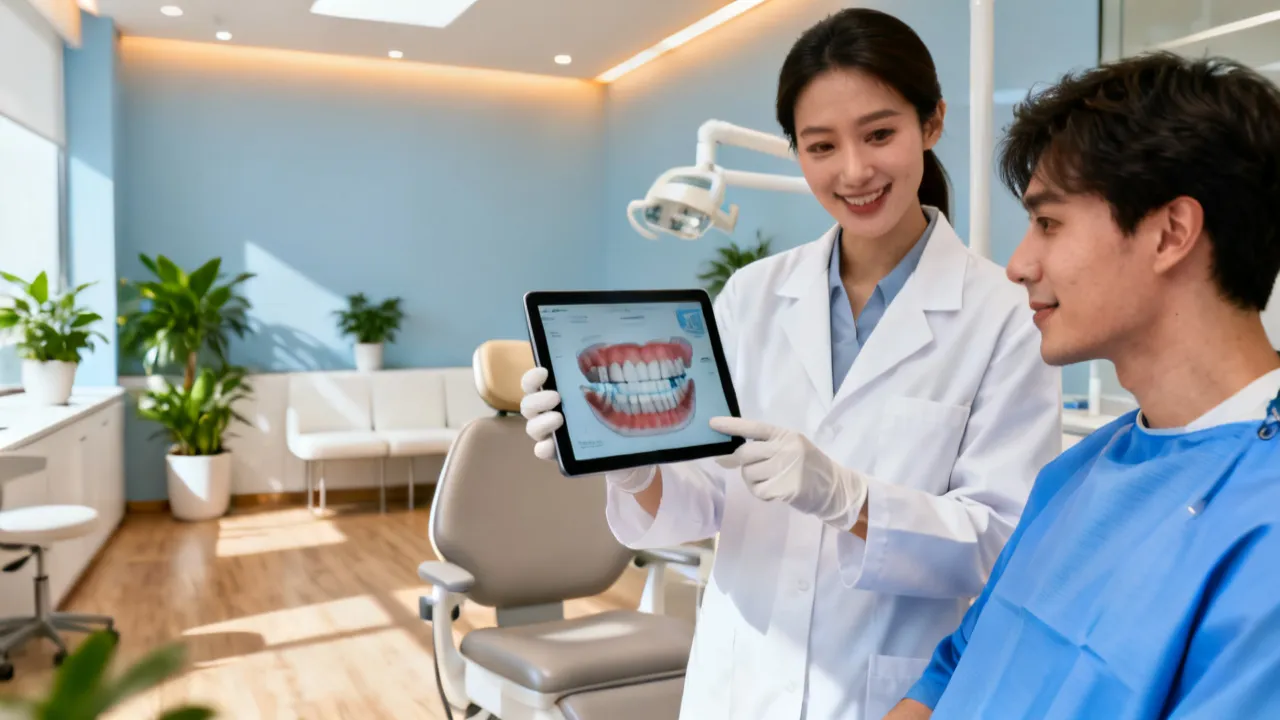
This guide helps you choose an Orthodontist in My Area nearby by explaining how care is planned, what to ask during consultations, and how costs for dental implants are typically structured. It also compares information sources for low-cost implant guidance in English-, Spanish-, and Portuguese-speaking countries, with practical steps and estimated cost ranges for implants by country.
When patients search for an Orthodontist in My Area, they’re usually trying to balance two needs at the same time: clinical quality and practical access. Orthodontic care is rarely a single appointment fix. It typically involves a series of visits spread across many months—sometimes a few years—depending on the complexity of tooth movement, bite correction, growth considerations, and stability goals. Because of that, the phrase “in my area” isn’t just about convenience. It directly affects the real-world reliability of treatment: scheduling, follow-up consistency, the ability to respond quickly if something breaks or needs adjustment, and how smoothly the clinic can guide you through each phase.
In practice, “nearby” can influence more than transportation costs. It can influence the continuity of care and the patient’s comfort with the process. If an orthodontic office is difficult to reach during busy weeks, you may delay appointments or postpone important adjustments. Small delays can matter because orthodontic tooth movement tends to be incremental and timing-sensitive. While clinicians can sometimes compensate for missed appointments, consistent follow-up still supports better control of force systems, more predictable progress, and fewer complications such as prolonged discomfort or extended treatment length.
From an industry perspective, treatment outcomes rarely come from location alone. Instead, outcomes come from matching the right specialist to the right diagnosis, using accurate records, establishing clear treatment objectives, and documenting decision-making. A high-quality orthodontic plan should explain what is being corrected (teeth position, bite relationship, jaw alignment), why it is being corrected, what appliances will achieve the movement, and what the clinic expects during each stage. The plan should also include a retention strategy designed to reduce relapse after active treatment ends.
That’s why a meaningful shortlist for an Orthodontist in My Area often includes: board-certified or otherwise credentialed orthodontists, modern diagnostic capabilities (including digital imaging where clinically appropriate), evidence of a structured care process, and patient-facing communication that is easy to understand. In other words, the best “near me” option is typically the one that reduces friction between your life and your treatment plan while maintaining a strong clinical foundation.
An orthodontist is trained to diagnose and treat problems involving tooth position, tooth eruption patterns, and jaw alignment. While many people associate orthodontics with braces or clear aligners, orthodontics is actually broader than cosmetic straightening. The specialty includes evaluation of how teeth meet (occlusion), how forces distribute in the mouth, and whether jaw discrepancies or growth patterns create functional problems.
Common reasons people seek an orthodontic evaluation include:
Even when the main concern is appearance, orthodontic plans ideally should consider function. Straight teeth that do not align properly with the bite can create uneven pressure patterns, increased wear, gum irritation, or challenges with chewing. Likewise, a bite that looks improved can still have hidden issues such as improper vertical relationships or tooth compensations that affect long-term stability. This is why a reputable clinic should justify orthodontic decisions with clinical documentation and record-based analysis rather than marketing claims alone.
When a clinic positions itself as “comprehensive dental care,” it should still be able to explain orthodontic decisions clearly. “Comprehensive” should mean coordinated clinical logic—how orthodontics fits into the broader dental plan, including any restorative work that might be needed before, during, or after alignment. The clinic should be able to answer questions like: Will you need bonding, crowns, or extractions? How does orthodontics change the timing of those procedures? How does it affect tooth shape and bite alignment at the end of treatment?
If you’re narrowing down an Orthodontist in My Area nearby, use an evaluation framework that emphasizes measurable care quality rather than relying only on reviews or pricing advertisements. Reviews can help, but they don’t replace clinical process. A strong checklist can help you compare practices in a way that’s meaningful for diagnosis and treatment execution.
It’s common for patients to start with a straightforward goal—such as “I want braces” or “I want aligners”—and then learn the plan is more complex. Missing teeth, advanced bone loss, worn or failing restorations, and bite reconstruction needs can shift the overall approach. In those scenarios, the conversation may include dental implants, which is a distinct treatment pathway from orthodontics.
It’s important to understand that orthodontics and implants are not interchangeable. Orthodontics moves teeth and coordinates bite relationships. Implants replace missing teeth and support crowns or bridges. However, coordination can be necessary to achieve the best final outcome:
Because implant care can vary in cost depending on the patient’s anatomy and restorative plan, many people also investigate low-cost dental implant information. This is where trustworthy resources matter—especially resources that explain what “low cost” really means and what compromises (if any) might exist in a given model of care.
Even if your main search term is an Orthodontist in My Area, it’s normal to compare implant pathways if you have missing teeth or partial edentulism. Patients often do this because implants can be a major budget item, and some people look for affordability guidance before they even complete their diagnostic records.
The challenge is that “low cost” is not a single clinical category. It might refer to: different implant types, different prosthetic designs, clinic pricing models, bundled care packages, implant financing structures, or in some cases, cross-border treatment planning. Therefore, a patient-facing resource should ideally help you understand the decision factors rather than simply advertise affordability.
The table below compares websites that provide structured, patient-facing information. The goal is to help you evaluate the evidence and understand tradeoffs rather than assume that “low cost” means identical outcomes across providers.
| Website | What it helps you understand (summary) |
|---|---|
| Dental Views (https://dentalviews.com/low-cost-dental-implants/) | How implant types differ, typical process steps, and what “low cost” usually refers to in practice (e.g., clinic pricing models and treatment planning variables). |
| Atlantic Dental Group (https://www.atlanticdentalgrp.com/) | A broader clinic-service overview, often including orthodontics, implants, and scheduling logistics—useful for understanding how a provider packages care. |
| DentaVacation (https://www.dentavacation.com/) | Dental tourism framing—how cross-border planning can affect total cost, timelines, and coordination needs. |
| Rockville Dental Arts (Spanish version) (https://rockvilledentalarts.com/es/) | Information presented for Spanish-speaking communities, including topics such as orthodontics and implants, supporting culturally accessible communication. |
| Cigna Knowledge Center (Spanish) (https://www.cigna.com/es-us/knowledge-center/guide-to-dental-implants) | Educational guidance on implants from a consumer information perspective, emphasizing questions to ask and general considerations. |
| Union City Mini Dental Implants (Spanish) (https://unioncityminidentalimplants.com/es/) | Mini implant specialization context—how implant size and indications are explained for appropriate candidacy discussion. |
source: [www.dentalviews.com](https://dentalviews.com/low-cost-dental-implants/) ; [www.atlanticdentalgrp.com](https://www.atlanticdentalgrp.com/) ; [www.dentavacation.com](https://www.dentavacation.com/) ; [rockvilledentalarts.com/es](https://rockvilledentalarts.com/es/) ; [www.cigna.com/es-us/knowledge-center/guide-to-dental-implants](https://www.cigna.com/es-us/knowledge-center/guide-to-dental-implants) ; [unioncityminidentalimplants.com/es](https://unioncityminidentalimplants.com/es/)
Source note: The table above synthesizes publicly available descriptions to help you compare what each site focuses on.
If your orthodontic evaluation reveals a need for restorative work—sometimes including implants—many patients naturally want a cost-conscious path. The steps below outline a structured approach that works across English-, Spanish-, and Portuguese-speaking environments, while keeping clinical decision-making at the center.
Use this as a framework for conversations with dental professionals near you. It is also helpful for preventing “surprise costs,” where an initial price quote excludes essential items like grafting, imaging, or certain follow-ups.
Because you may also be comparing implant costs while searching for orthodontic care nearby, the following ranges summarize commonly cited price bands for a single dental implant in each listed region. These are reference ranges and may not reflect every clinical scenario, such as additional grafting, sinus lift procedures, or the need for complex restoration components.
| Country | Currency | Price range (single implant) |
|---|---|---|
| United States | USD | $3,000 - $6,000 |
| United Kingdom | GBP | £2,000 - £2,500 |
| Australia | AUD | AU$3,500 - AU$6,500 |
| Canada | CAD | CA$3,000 - CA$5,500 |
| Spain | EUR | €1,500 - €2,500 |
| Chile | CLP | CLP$800,000 - CLP$1,500,000 |
| Mexico | MXN | $15,000 - $25,000 |
| Colombia | COP | $2,000,000 - $4,000,000 |
| Peru | PEN | S/ 3,000 - S/ 6,000 |
| Argentina | ARS | $80,000 - $150,000 |
| Brazil | BRL | R$3,000 - R$8,000 |
| Portugal | EUR | €1,000 - €2,000 |
| Germany | EUR | €2,000 - €3,500 |
| France | EUR | €1,500 - €2,500 |
| Italy | EUR | €1,500 - €3,000 |
| Japan | JPY | ¥300,000 - ¥700,000 |
Dental treatment communication is a patient-safety issue, not just a convenience feature. If you’re searching “nearby” and prefer information in a specific language, consider whether the clinic provides accessible materials, clear explanations, and staff who can support informed consent. When patients fully understand treatment goals, risks, and expected timelines, they tend to make more confident decisions—especially for multi-stage treatments like orthodontics with possible implant coordination.
In Spanish-speaking contexts, for example, clinics and educational sites may offer Spanish pages designed for local patient understanding—such as Rockville Dental Arts (Spanish) and implant-focused clinics like Union City Mini Dental Implants (Spanish). Spanish-language educational content can help reduce misunderstandings around procedures, preparation steps, aftercare instructions, and what symptoms require urgent attention.
In Portuguese-speaking regions, practices such as Rubi Odonto, Odontologia Velasco, and dental plan offerings like DentalVidas can influence how patients access services and schedule care. Language accessibility can affect how quickly patients complete paperwork, understand financing options, and interpret follow-up recommendations. It can also help patients ask better questions, which is vital when orthodontic and implant pathways overlap.
Separately, consumer guidance resources like Cigna’s implant educational materials (Spanish) can help you frame questions before appointments—especially around what implants are, what considerations apply, and what to expect during decision-making. A well-informed patient can collaborate more effectively with the care team.
Lower prices can be achievable, but they should not replace clinical rigor. The real question is whether a lower cost plan maintains the necessary quality variables for your specific case. Below are the most common “quality variables” that influence both cost and outcomes across orthodontics and implants.
If you’re also selecting an orthodontist nearby, coordinate expectations. Orthodontics may alter spacing and bite relationships, which can influence the type and timing of implant restorations. For instance, a clinic that suggests implants immediately might be missing the chance to use orthodontic movement to create better long-term restorative positioning. On the other hand, some patients may need implants first if orthodontic movement is unlikely to be adequate or if bone conditions require stabilization. The correct sequence is individualized.
If you have bite misalignment, crowding, spacing, or functional concerns (such as chewing discomfort), an orthodontic evaluation is typically warranted. A general dental checkup can identify visible patterns and flag potential issues, but only an orthodontist can plan comprehensive tooth-and-jaw alignment treatments. An orthodontist can also evaluate whether your concern is primarily dental (teeth position) or primarily skeletal/functional (jaw relationships and growth patterns).
It’s also helpful to consider whether your teeth have changed over time—such as shifting after braces in the past, increasing crowding with age, or worsening bite alignment due to missing teeth. Even if your smile “looks okay” in photos, bite mechanics can still be off. An orthodontist can use records to evaluate both appearance and function.
Ask for the diagnosis basis (what records were used), realistic treatment goals, and the expected timeline. Request specifics about appliance options and how they relate to your case. Many patients benefit from asking how the clinic determines whether aligners or braces are the best tool. You can also ask:
A strong clinic will provide answers in a way that is understandable, while still being transparent about uncertainties.
Not necessarily. Aligners can have different pricing structures depending on case complexity, number of aligners, retention requirements, and whether refinements are expected. Some cases need additional attachments, refinements, or auxiliary appliances. Even when the initial quote looks comparable, aligners may have different follow-up needs based on how the teeth respond to movement.
Also, “cheaper” can mean different things. If an aligner plan results in more frequent refinements or longer treatment time, the overall cost may change. The very cost-effective choice is the one that fits the clinical plan—one that is appropriate for your bite mechanics and stability goals, not merely the lowest headline price.
Yes. Orthodontists often coordinate sequencing with restorative or implant specialists. The key is a documented treatment plan describing who leads each phase and why. For example, the orthodontist might create space and align teeth to support an implant crown positioned with ideal angulation, then the implant specialist places the implant when conditions are optimal.
Coordination also matters for soft tissue. An orthodontic plan can influence gingival contours and tooth position, which affects aesthetics and implant restoration outcomes. A competent team clarifies how those factors will be evaluated and managed.
To reduce costs responsibly, begin with candidacy assessment and obtain itemized quotes. Ask what “low cost” includes and what it excludes. Specifically, ask about:
Also verify follow-up access. A clinic that is far away can increase total costs if you must travel frequently during healing or if emergency concerns arise. If considering cross-border options, verify credentials and ensure continuity of care after you return.
Coverage varies widely by insurer and plan design. Many patients find that orthodontics may be covered differently than implants. Sometimes orthodontics has specific eligibility criteria (such as age limits or severity definitions). Implants may have waiting periods or may be partially covered only under certain circumstances. Some plans cover pre-orthodontic evaluation but not active treatment, while others cover a percentage after a deductible.
The best approach is to call your insurer and ask for benefit details. Ask about: coverage percentages, annual maximums, documentation requirements, waiting periods, and preauthorization processes. Consumer education resources can help you understand what to ask, but your actual plan documentation determines what is reimbursable.
Seek urgent care if you have severe pain, broken appliances causing injury, uncontrolled swelling, fever, or other concerning symptoms. Also seek help if you experience sudden bite changes with significant discomfort, or if wires/brackets poke in a way that damages cheeks or gums. Between visits, you should know the clinic’s emergency policy so you can respond quickly. If the clinic offers a phone line or after-hours protocol, ask for it upfront during your first appointment.
Orthodontic adjustments, minor appliance repairs, retention checkups, and progress monitoring are time-dependent. Patients sometimes underestimate how disruptive frequent travel can be during active treatment—especially for families with school schedules, people working irregular shifts, or anyone managing other healthcare needs. When selecting an Orthodontist in My Area, prioritize practical access: clear appointment availability, a reliable emergency contact method, and an office workflow that reduces delays in scheduling adjustments.
There’s also an often-overlooked quality dimension: responsiveness. A clinic that can address broken brackets or discomfort promptly can prevent small issues from turning into extended discomfort, repeated missed days, or worse alignment setbacks. For long-term success, the treatment journey should feel predictable. “Nearby” helps create that predictability.
Finally, consider whether the clinic has consistent staff and communication systems. When you must call multiple times to reach someone, or when instructions are vague, compliance can suffer. A nearby clinic that can maintain clear communication makes it easier for you to follow the treatment plan correctly—especially for retention wear schedules and aftercare instructions that are easy to forget when appointments are far away.
1) The above information comes from online resources, and the data is as of October 2023. 2) Dental implant prices are for reference only and may vary by region, clinic and doctor.
Beyond the checklist, treatment quality is visible in how an orthodontic practice runs its daily workflow. Patients can often judge quality by noticing whether appointments are structured, whether clinicians explain progress, and whether records are treated as living clinical tools rather than one-time paperwork. When you’re comparing an Orthodontist in My Area, it’s worth understanding what “quality” usually means at the chairside and in the background.
A high-quality orthodontic practice typically demonstrates at least five characteristics: record integrity, individualized biomechanics, consistent monitoring, patient education, and a long-term retention philosophy. Each of these can be assessed through conversation and observation.
Records—such as photographs, radiographs, intraoral scans, and sometimes cephalometric analyses—should not be treated as routine “collect and store” steps. Quality practices explain what they’re looking for. For example, they may discuss tooth angulation, incisor inclinations, midline alignment, arch length discrepancies, overjet/overbite measurements, transverse relationships (crossbite tendencies), and skeletal considerations. If you ask what the orthodontist plans to correct first, a quality response often ties back to those recorded measurements.
Record integrity also includes how the practice updates progress. During follow-up visits, you should be able to receive information about how the treatment is tracking relative to the plan. For aligner cases, this might include staging decisions and whether attachments are functioning as expected. For braces, it might include bracket positioning adjustments and wire changes based on the movement strategy.
Two patients can both have “crowding,” but the reasons for crowding (tooth size, jaw size, tooth eruption pattern, and growth history) differ widely. Quality orthodontics uses those differences to decide how teeth should move. In practice, that might mean different choices of archwire sequence, different extraction strategies, different interproximal reduction approaches, or a decision to combine appliances for certain bite components.
For aligners, individualized biomechanics might include deciding where attachments are needed, when elastics are necessary, and how to manage problematic movements such as root torque, rotations, and bite settling. Quality clinics explain these choices instead of presenting aligners as a universal solution.
Monitoring is not only about checking teeth when you show up. It includes instructions for between-visit responsibilities: wearing aligners the required number of hours per day, maintaining elastics use when prescribed, using orthodontic wax appropriately, and reporting issues early rather than waiting until discomfort becomes severe. A high-quality clinic provides clear protocols for what to do if you cannot keep elastics in place or if an aligner sequence becomes disrupted.
Because orthodontic care takes place over extended time periods, consistency matters. A practice that communicates poorly may inadvertently increase the chance that a patient falls out of compliance. That can affect treatment outcomes even when the original clinical plan was sound.
Good orthodontics is partly education. Patients do better when they understand what to expect at each stage: what discomfort is normal, how long it typically lasts after adjustments, why the clinic might request additional records mid-treatment, and what retention involves. Quality practices often provide written instructions. They also encourage questions and respond without dismissing concerns.
If you’re considering an Orthodontist in My Area and you prefer accessible language, it’s worth asking whether the clinic offers educational materials in the language you’re most comfortable with. When patients understand instructions clearly, they can follow aftercare better, which supports quality outcomes.
Retention is where many treatment experiences succeed or fail. A quality orthodontic practice treats retention as a formal phase with a plan, not an optional afterthought. They should discuss how long retainers are worn, how often follow-ups occur, and how relapse risks vary by case.
For example, some patients—especially those with significant rotations, certain jaw growth patterns, or strong crowding tendencies—may require more structured long-term retention. A clinic that minimizes retention discussion may be less aligned with long-term stability goals. If you’re comparing options “near me,” ask retention questions early, because those answers reveal whether the practice’s quality system includes long-term follow-up.
When orthodontics and implants are both part of a patient’s journey, coordination quality becomes even more important. Poor coordination can result in misplaced timing, inadequate space preparation, or bite relationships that complicate implant crown placement.
A well-coordinated plan often answers several critical questions:
Sometimes orthodontists and implant specialists collaborate directly. Sometimes the orthodontist coordinates indirectly by documenting the plan and ensuring the implant team has the necessary records. Quality coordination is typically visible in documentation clarity and in the consistency of clinical explanations across providers.
When patients see “low cost dental implants,” it can be tempting to compare only the headline price. However, implant costs are multi-component. Even a lower-cost offer may include less comprehensive imaging, fewer follow-ups, or different prosthetic materials. That may be acceptable for certain candidates, but it’s not appropriate for everyone.
To evaluate implant “value,” consider whether the low-cost model includes:
A quality provider should be able to explain these components clearly and answer questions about complications and re-evaluation timing. When a clinic avoids itemization or becomes vague, it’s a quality red flag.
For many patients, the “near me” advantage feels straightforward: less travel. But the true effect of location is more about treatment continuity than distance itself. Orthodontics depends on a consistent cycle of visits and follow-ups. If a clinic is far away or hard to reach, appointment delays can happen quietly—through cancellations, rescheduling needs, or missed urgent instructions after appliance issues.
Location can also affect the patient’s willingness to seek early problem-solving. For example, if a bracket pops off or a wire pokes, a patient might wait until the next scheduled appointment if the clinic is inconvenient to reach. Waiting may prolong discomfort or delay adjustments that help maintain treatment progression.
Nearby access also supports retention checkups. Retention is often scheduled less frequently than active visits, but missing retention appointments can contribute to gradual relapse. A nearby clinic increases the chances that retention monitoring remains consistent.
Language accessibility is often framed as a customer service feature, but in dental care it is a clinical tool. Informed consent, aftercare compliance, and symptom reporting are all dependent on patient understanding. When patients can communicate comfortably, they can report pain levels accurately, describe symptoms clearly, and follow instructions such as cleaning routines or appliance wear schedules.
For orthodontics, clear understanding is particularly important because patients must manage daily behaviors. Wearing aligners for the recommended time, using elastics correctly when prescribed, and knowing what discomfort is expected after adjustments all require communication. If a clinic provides instructions in a language the patient fully understands, the chance of compliance improves.
For implants, language accessibility matters because aftercare instructions—hygiene procedures, diet guidance, medication understanding, and warning signs—can affect outcomes. If instructions are misunderstood, patients may inadvertently compromise healing or delay urgent follow-up.
Marketing is not inherently bad. It can help patients find providers. But marketing often simplifies complex care. When you search for an Orthodontist in My Area, you might encounter claims like “fast results,” “guaranteed perfect smiles,” or “one-size-fits-all aligners.” Orthodontic treatment planning is individualized, and any credible clinic should acknowledge that complexity.
To avoid being trapped by marketing, ask deeper questions:
When a clinic answers clearly and respectfully, that’s usually a sign of a mature quality system.
Below is a practical plan you can follow when you want to choose an orthodontist nearby and also account for possible implant-related concerns. This workflow combines earlier guidance with additional detail, so you can use it for real-life appointments.
This approach helps you make decisions based on clinical quality and care continuity rather than only on convenience or price.
This guide explains how to find an Orthodontist in My Area and how that choice connects to good outcomes—especially if you need dental implants. It also reviews online resources for low-cost implant information, outlines practical steps to obtain implants at lower cost in English-, Spanish-, and Portuguese-speaking countries, and summarizes typical price ranges by country.
This guide explains how to find an Orthodontist in My Area nearby, what to expect when implant treatment is considered, and how to evaluate total costs responsibly. It also outlines step-by-step ways patients pursue low-cost dental implants, provides typical cost ranges by country, and includes practitioner-oriented FAQs to help you make informed decisions.
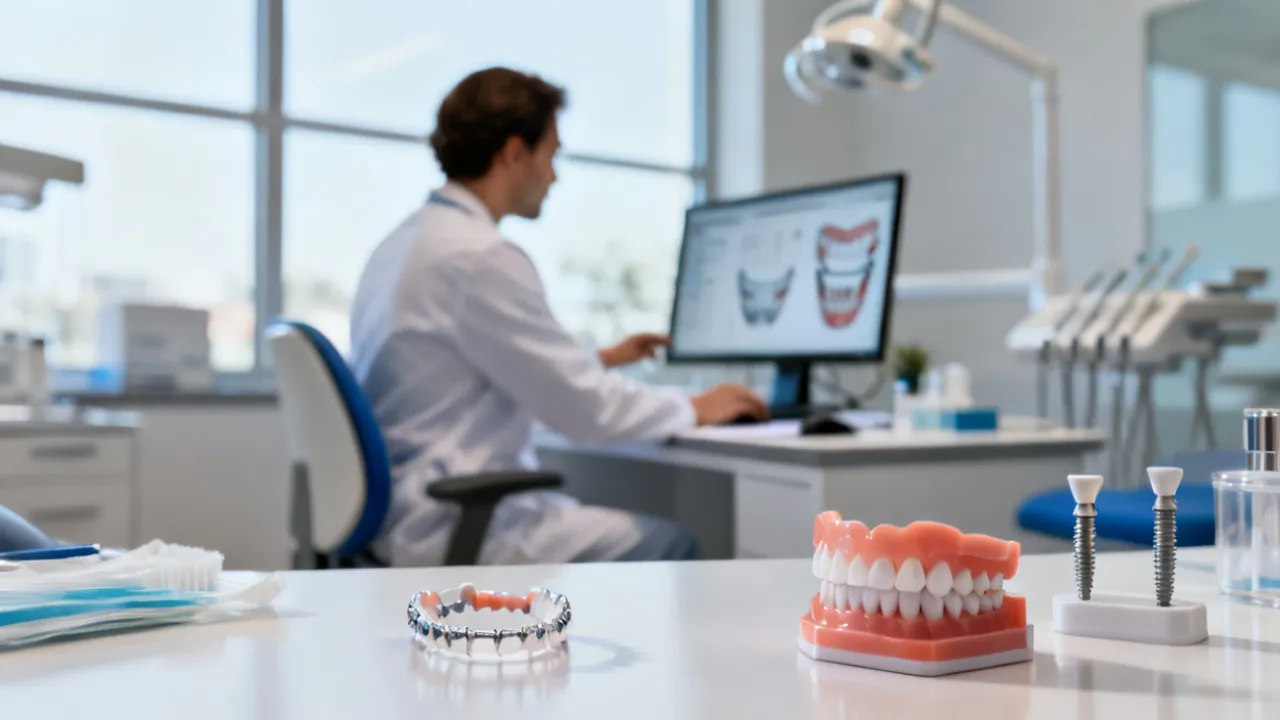
Choosing an Orthodontist in My Area is more than finding a nearby clinic—it’s matching your oral health needs with the right expertise, technology, and care plan. This objective guide explains how orthodontic evaluation works, what influences treatment cost, and how to approach low-cost dental implants responsibly, including practical steps, typical price ranges by country, and key FAQs.
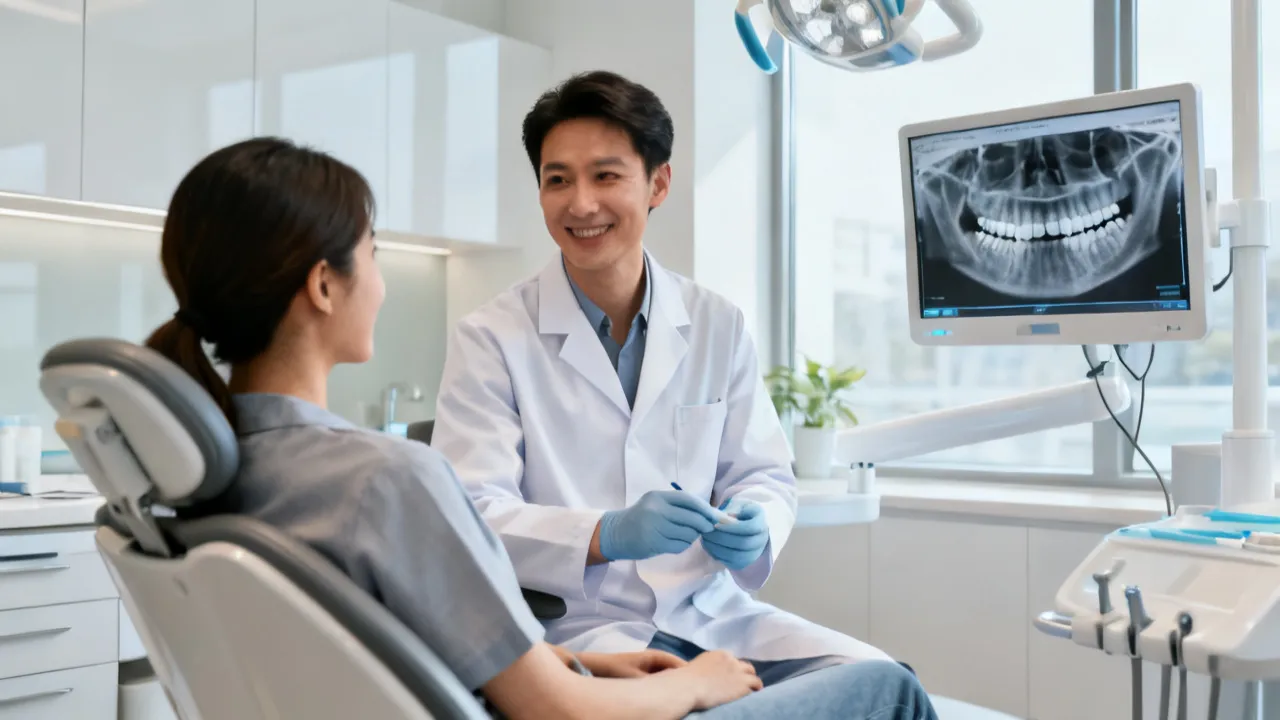
This guide helps you evaluate an Orthodontist in My Area (“nearby”) by focusing on qualifications, diagnostic approach, treatment options, and total cost planning. It also explains how low-cost dental implant information is used responsibly when comparing care paths across English-, Spanish-, and Portuguese-speaking countries. Practical FAQs are included for orthodontic starters and implant-adjacent cases.
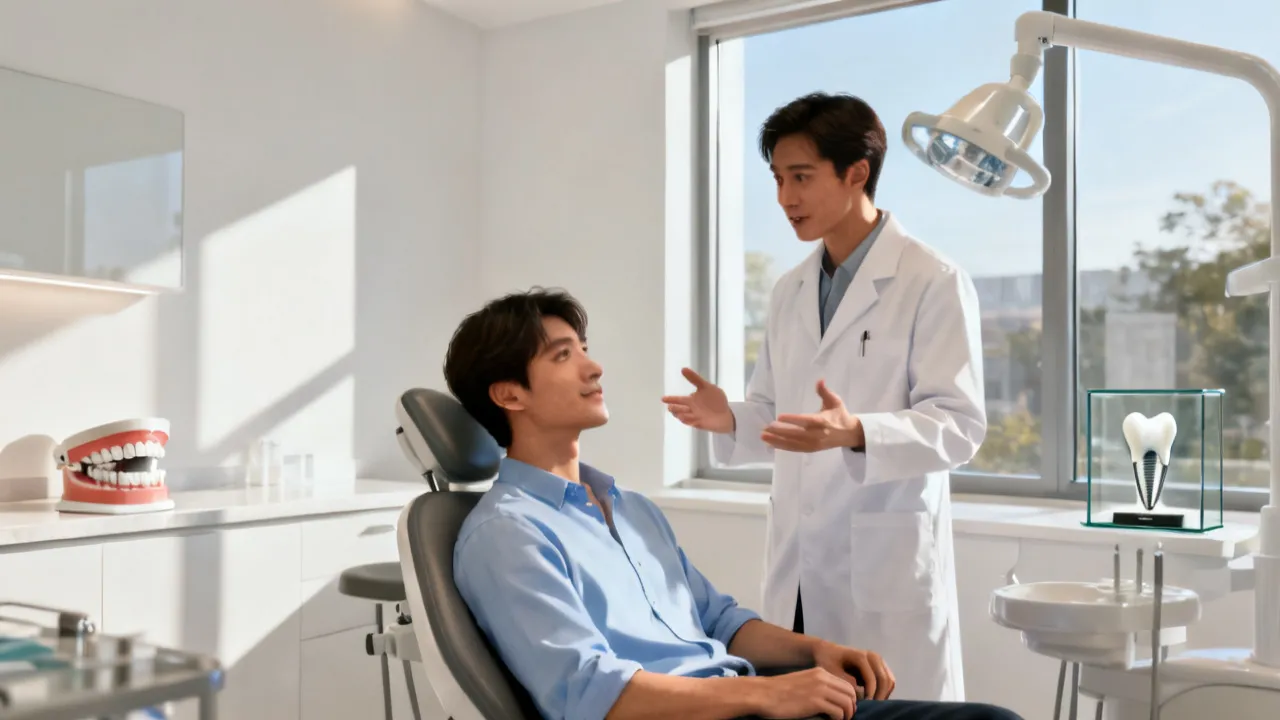
Choosing the right care team matters when you’re searching for an “Orthodontist in My Area.” This guide explains how orthodontic planning connects with dental implants, what to ask during consultations, and practical ways to explore low-cost implant options. It also covers typical price ranges across English-, Spanish-, and Portuguese-speaking countries, plus expert guidance and FAQs.
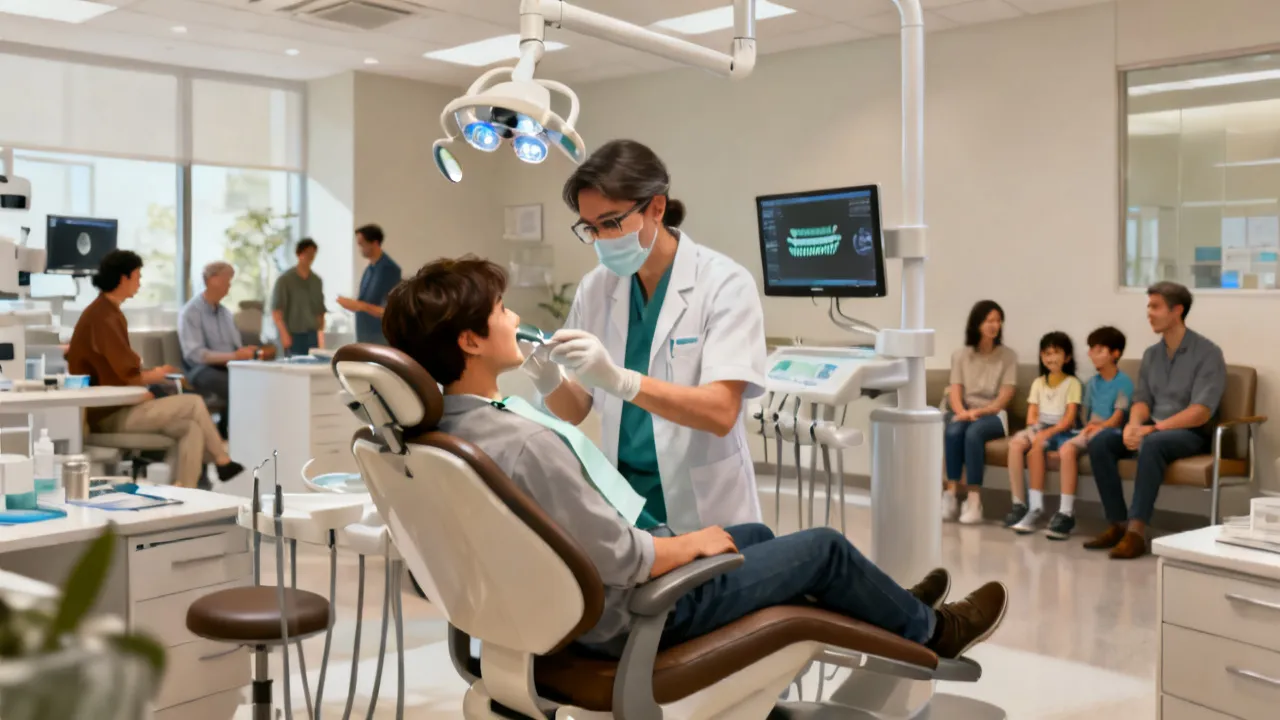
This guide explains how to choose an orthodontist nearby while understanding how dental implants factor into overall treatment planning. It reviews selection criteria, typical next steps, and realistic cost ranges across English-, Spanish-, and Portuguese-speaking countries. You’ll also find a practical checklist, implant affordability strategies, and FAQs to support objective decision-making when planning care.
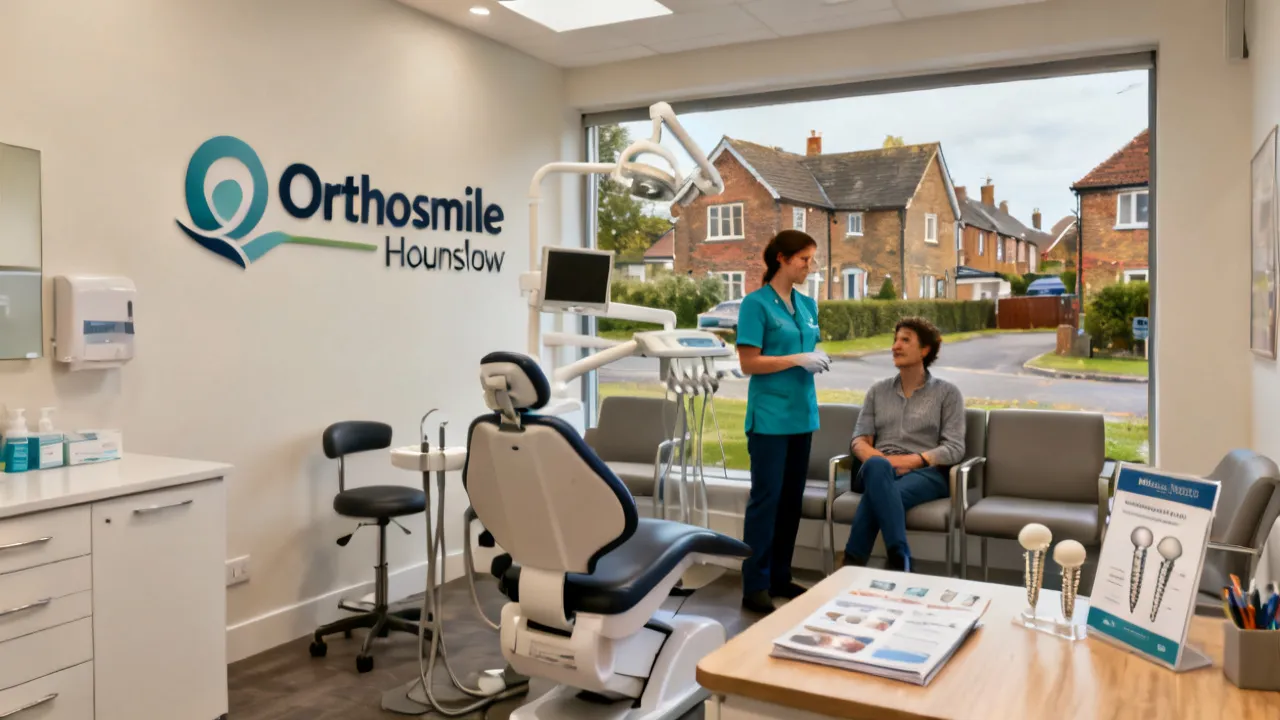
This expert guide explains what to consider when choosing Orthosmile Hounslow for orthodontic care and dental implant treatment. It reviews how low-cost implant decisions work across English-, Spanish-, and Portuguese-speaking patient pathways, outlines typical cost ranges, and provides a practical step-by-step checklist plus FAQs—so you can plan consultations with clearer expectations.
This guide explains how Orthosmile Hounslow supports patients comparing dental implant pathways, clinical steps, and realistic cost expectations. It also reviews how English-, Spanish-, and Portuguese-speaking countries approach affordability, including low-cost implant information sources, insurance considerations, and typical pricing bands from October 2023-era online references, with clear requirements and FAQs.