This detailed guide explores the growing popularity of Invisaligners, which are a modern solution for teeth alignment. Invisaligners have transformed orthodontics, providing a discreet alternative to traditional braces. Their appeal lies in comfort and aesthetics, making them a preferred choice for many. Understanding costs, benefits, and accessibility is crucial for prospective users.
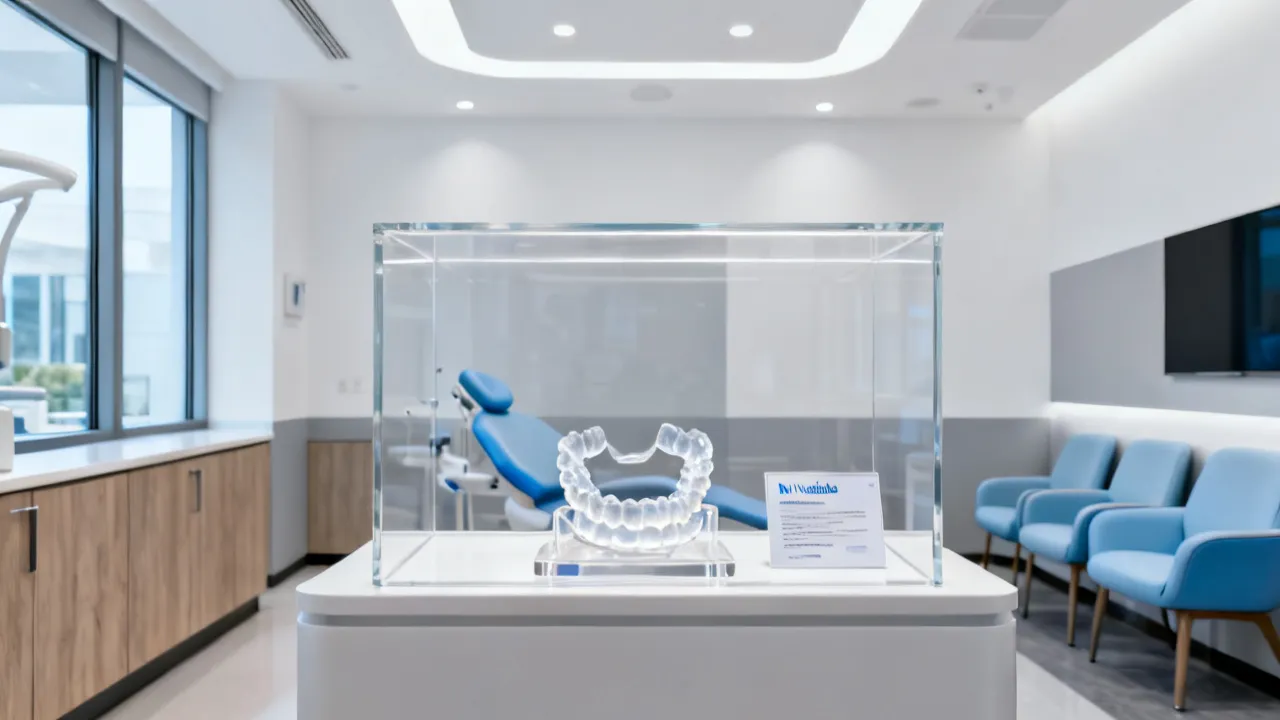
In recent years, Invisaligners have emerged as a transformative solution in orthodontic treatment, offering a seamless alternative to traditional braces. Made from clear, medical-grade plastic, these aligners offer patients the discretion and comfort contemporary orthodontics lacked. This evolution signifies a significant shift in patient preferences, driven by the desire for less conspicuous treatments. The popularity of Invisaligners stems not only from their aesthetic advantage over traditional metal braces, but also from the technological advancements that have enhanced their effectiveness in correcting a wide range of dental issues.
Invisaligners have garnered widespread acclaim due to their aesthetic appeal and convenience. Unlike conventional metal braces, these aligners are virtually invisible, making them particularly attractive to adults and teenagers concerned about their appearance. The aligners are removable, offering flexibility for eating and cleaning, which enhances oral hygiene and overall patient comfort.
This convenience cannot be overstated; with traditional braces, patients must navigate the challenges of food restrictions and complicated cleaning routines that can lead to plaque buildup and gum disease. On the other hand, Invisaligners allow users to remove them before meals, enabling them to maintain their regular eating habits without worry. Furthermore, since aligners can be easily taken out for brushing and flossing, patients can preserve optimal oral hygiene, reducing the risk of cavities and gum issues tied to prolonged brace wear.
The surge in popularity of Invisaligners is also fueled by comprehensive marketing campaigns and the endorsement of various celebrities and influencers who share their positive experiences on social media platforms. Their stories resonate particularly with younger audiences who value both aesthetics and functionality in dental treatments.
The cost of Invisaligners can vary significantly based on a variety of factors, including geographical location, the complexity of the dental issue, and the specific dental provider. On average, treatment costs can range from $3,000 to $8,000 in the United States. These figures align with the costs of traditional orthodontic treatments, although certain insurance plans can offset the expense if they cover orthodontic therapy. Additionally, payment plans and financing options are often available, making Invisalign more accessible to patients who may find the upfront costs prohibitive.
It's important for potential patients to seek consultations with multiple orthodontic providers to compare prices, as there can be substantial differences not only in cost but also in terms of the services included in the treatment package. Some providers may offer incentives, discounts for upfront payments, or flexible financing plans that make the journey toward a straighter smile more manageable.
| Country | Currency | Price Range |
|---|---|---|
| United States | USD | $3,000 - $6,000 |
| United Kingdom | GBP | £2,000 - £2,500 |
| Australia | AUD | AU$3,500 - AU$6,500 |
| Canada | CAD | CA$3,000 - CA$5,500 |
In addition to seeking Invisalign treatment, some patients look for comprehensive dental solutions, such as implants, due to tooth loss or damage. Several websites specialize in providing information about low-cost dental implants, including Dental Views, Atlantic Dental Group, and DentaVacation. As part of a strategic dental plan, these sites focus on affordability and access while detailing the benefits and processes involved in dental implant procedures.
Dental implants are a popular choice for individuals who want to restore their smile aesthetically and functionally. The procedures not only enhance appearance but also support facial structure, preventing bone loss and further dental complications. The long-term benefits of dental implants often justify the initial investment. Research shows they tend to last decades, making them a cost-effective solution over time.
| Website | Focus |
|---|---|
| Dental Views | Low-cost dental implant solutions |
| Atlantic Dental Group | Wide range of general dental services |
| DentaVacation | Dental tourism and cost-effective options |
Source: [Dental Views](https://dentalviews.com/low-cost-dental-implants/), [Atlantic Dental Group](https://www.atlanticdentalgrp.com/), [DentaVacation](https://www.dentavacation.com/)
For prospective patients in English-speaking countries looking to reduce costs, dental tourism is a viable option. Websites like DentaVacation provide comprehensive information on treatment options in different countries. Key steps include evaluating potential destinations, understanding cost comparisons, and arranging for travel accommodations. Additionally, local providers like ADHP offer dental insurance plans that can provide significant savings.
Dental tourism has become a popular trend for those seeking substantial savings on dental procedures. It typically combines treatment with a vacation, allowing patients to explore new countries while receiving care at a fraction of home-country costs. Popular destinations for dental tourism include Mexico, Costa Rica, and Turkey, where highly qualified dental professionals deliver quality services at competitive rates. Many clinics abroad pride themselves on their advanced technologies and techniques, often rivaling those found in more developed nations.
When considering dental tourism, patients should conduct thorough research. It's essential to verify the qualifications and reputation of the dental practitioners and clinics. Reading patient reviews, checking certifications, and exploring success stories can provide reassurance about the quality of care received. Moreover, patients should account for travel-related expenses and ensure that significant savings on procedures outweigh total costs.
Stepping into an era of advanced orthodontic solutions, Invisaligners stand as a testament to innovation and patient-centric care. Recognizing the advancements in clear aligner technologies, individuals can now make informed decisions about their dental health. The emergence of options such as Invisaligners is not merely a fad but a response to consumer needs for comfort, aesthetics, and efficacy in dental care. As technology continues to evolve, one can anticipate even more improvements in orthodontic treatments, contributing to the overall enhancement of patient experience.
Patients are encouraged to explore the range of dental solutions available today, from traditional braces to modern Invisalign treatments and dental implants, ensuring their decisions best reflect their individual needs and lifestyle preferences. By prioritizing both oral health and personal comfort, individuals can achieve the smiles they've always desired.
Disclaimer: The above information comes from online resources, and the data is as of October 2023. Dental implant prices are for reference only and may vary by region, clinic, and doctor.
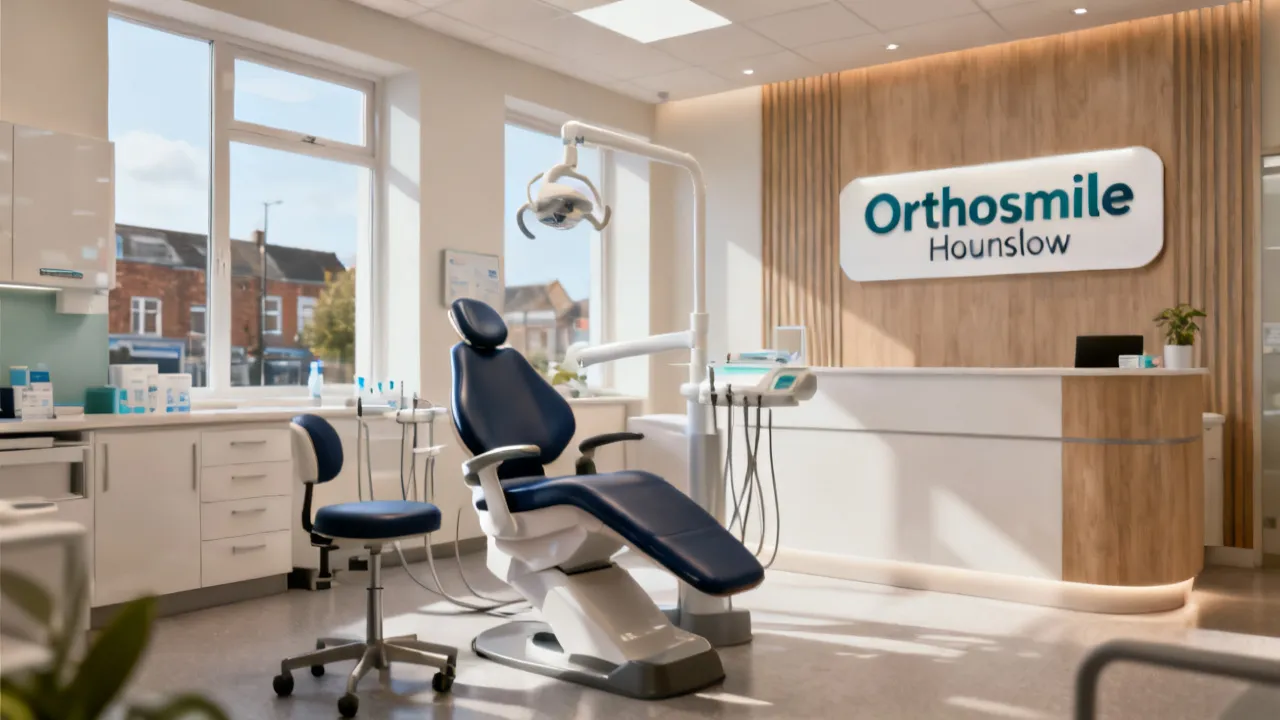
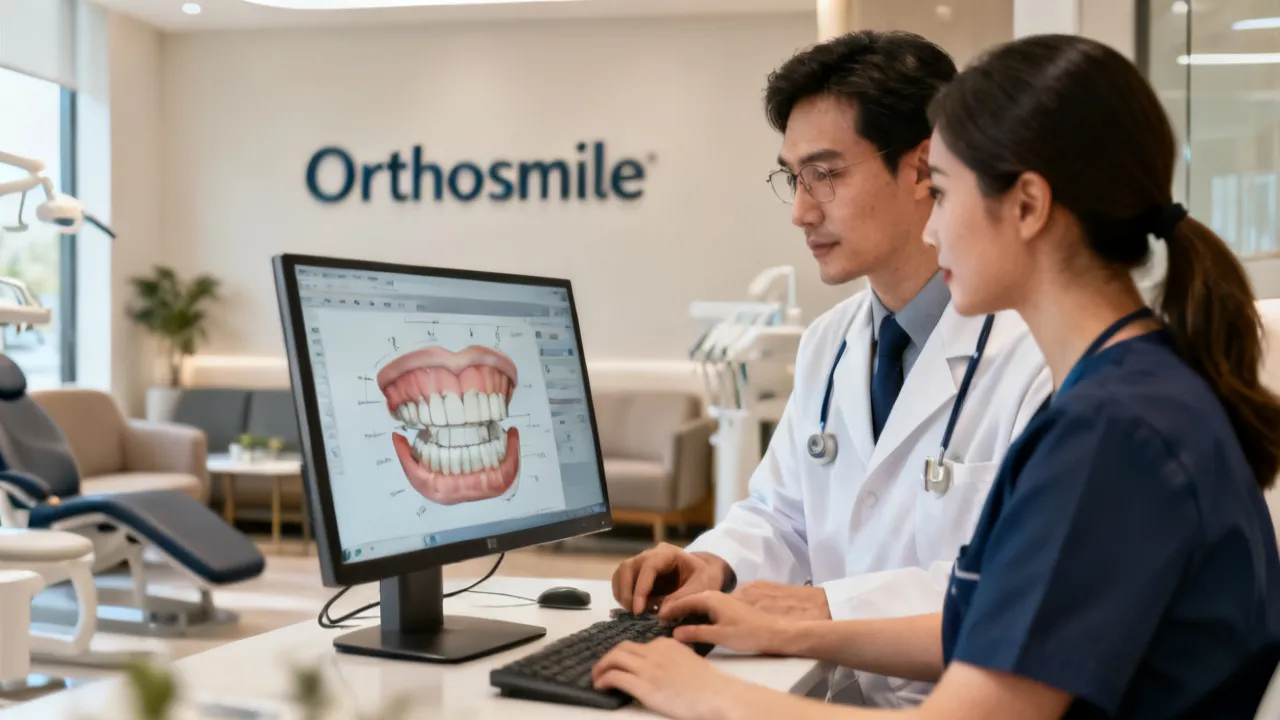
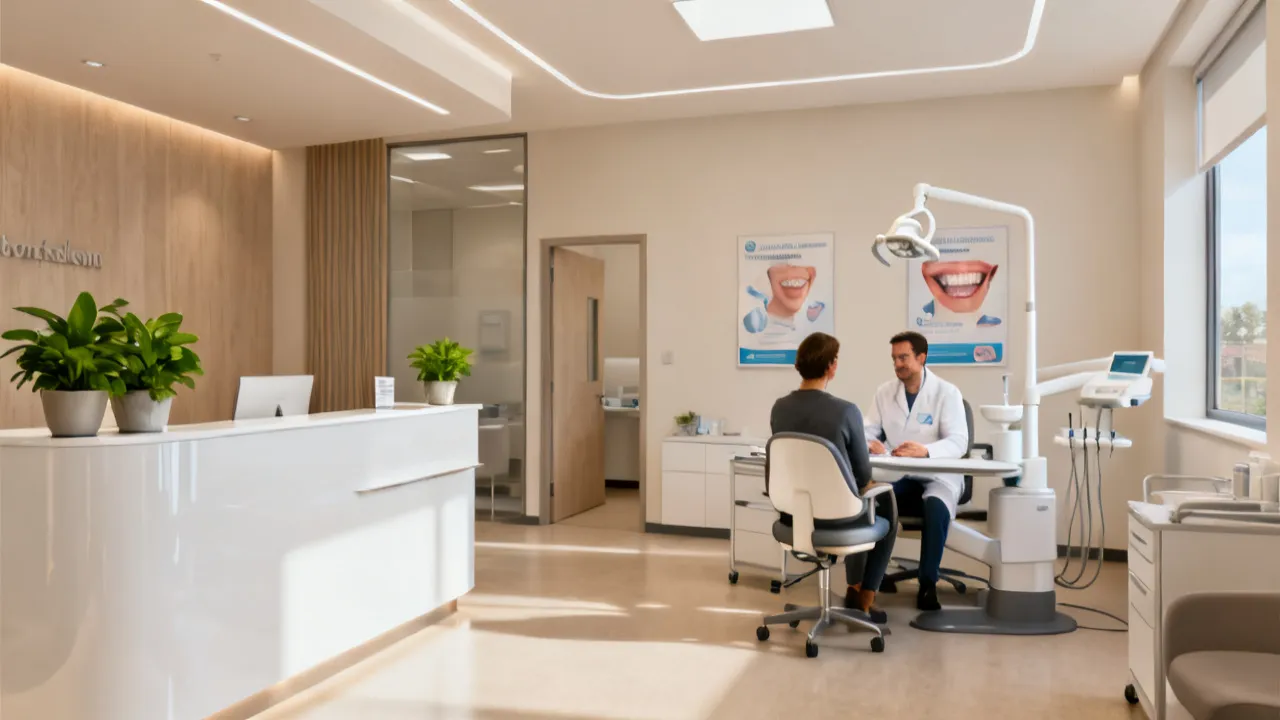
This guide explains how to evaluate dental implant options with a focus on Orthosmile Hounslow and the practical decision points behind low-cost implant pathways. It reviews clinic services, planning requirements, and cost ranges across English-, Spanish-, and Portuguese-speaking countries, then compares trusted information sources and outlines a step-by-step approach—ending with key FAQs and a clear disclaimer.
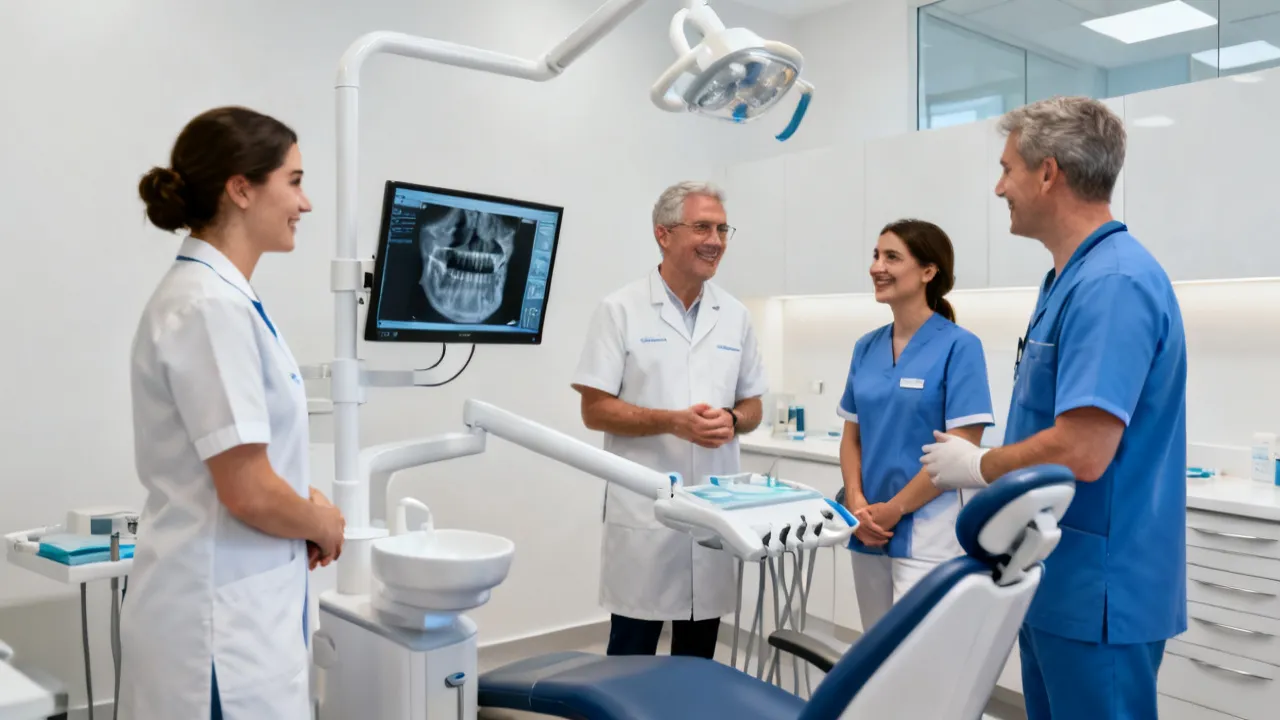
This guide explains how Orthosmile Hounslow supports patients planning dental implants and orthodontic care nearby. It provides an objective view of low-cost implant options, outlines verified cost ranges across countries, and compares how different information sources approach pricing and processes. You’ll also find a practical step-by-step pathway to pursue cost-effective implants.
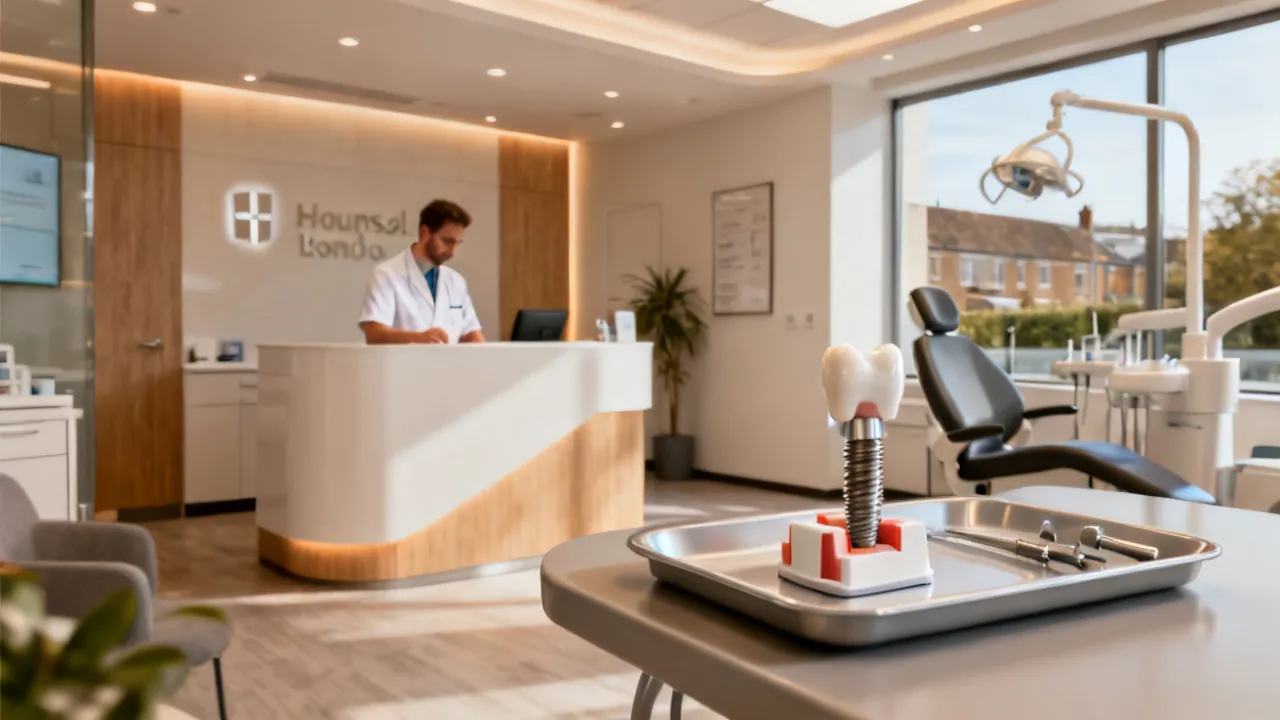
This guide explains what patients should expect from Orthosmile Hounslow when considering dental implants and related treatment. It provides an objective overview of low-cost implant pathways across English-, Spanish-, and Portuguese-speaking regions, including practical steps, cost reference ranges, and evidence-minded guidance on evaluating clinics, insurance options, and treatment planning.

This guide explains what patients should expect from Orthosmile Hounslow when considering dental implants and related orthodontic care. It provides an expert, evidence-informed overview of low-cost implant pathways, cost drivers, and planning steps. You’ll also find cost ranges across multiple countries, plus a structured comparison of online resources and practical FAQ answers.
This guide explains what Orthosmile Hounslow represents within local dental care, and how English-, Spanish-, and Portuguese-speaking countries approach low-cost dental implants. It compares key information sources, outlines a step-by-step pathway for reducing implant costs responsibly, and provides region-based implant price ranges for planning and discussion with qualified clinicians.
This guide reviews Orthosmile Hounslow and how dental implant planning typically works in nearby communities. It covers candidacy, clinical steps, cost considerations across English-, Spanish-, and Portuguese-speaking countries, and a practical method to pursue low-cost options responsibly. Expert-style FAQs explain materials, timelines, risks, and what to ask during consultation.
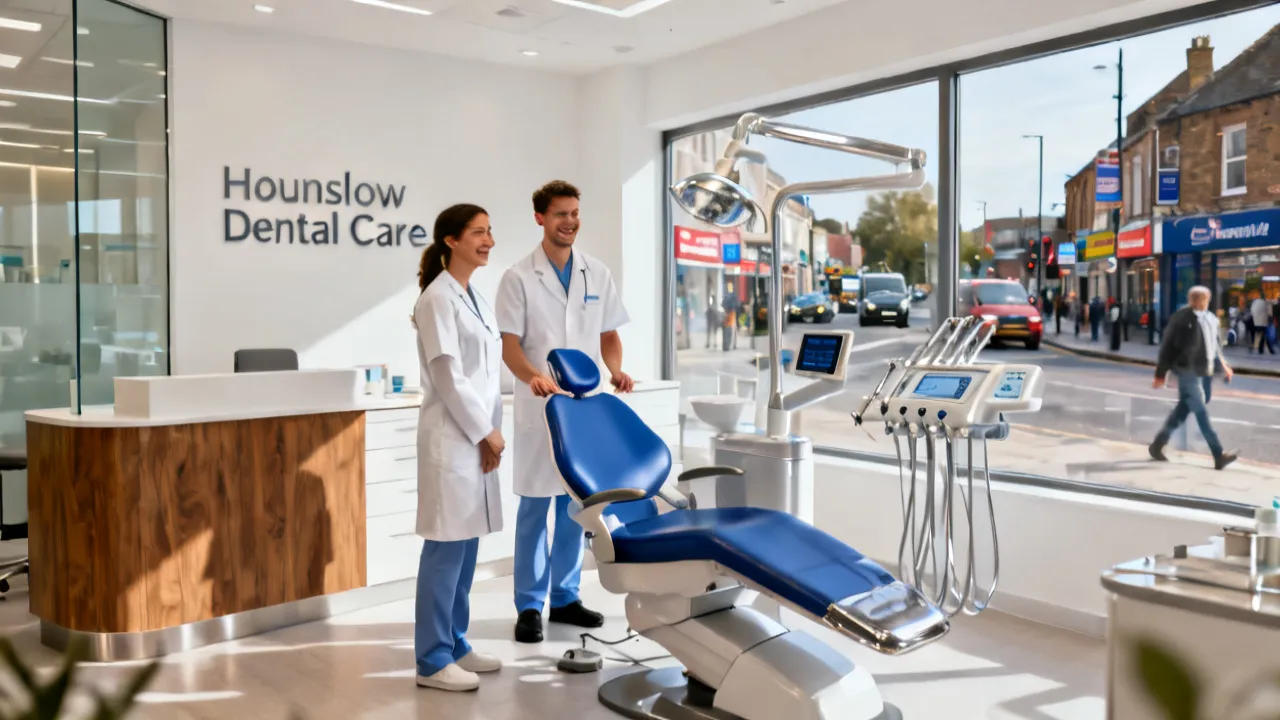
This guide explains what to expect from Orthosmile Hounslow when considering dental implants, including clinical steps, eligibility considerations, and how “low-cost” options are typically structured in English-, Spanish-, and Portuguese-speaking markets. It also compares trusted online reference sources and provides region-based cost ranges and practical ways to reduce expenses responsibly.
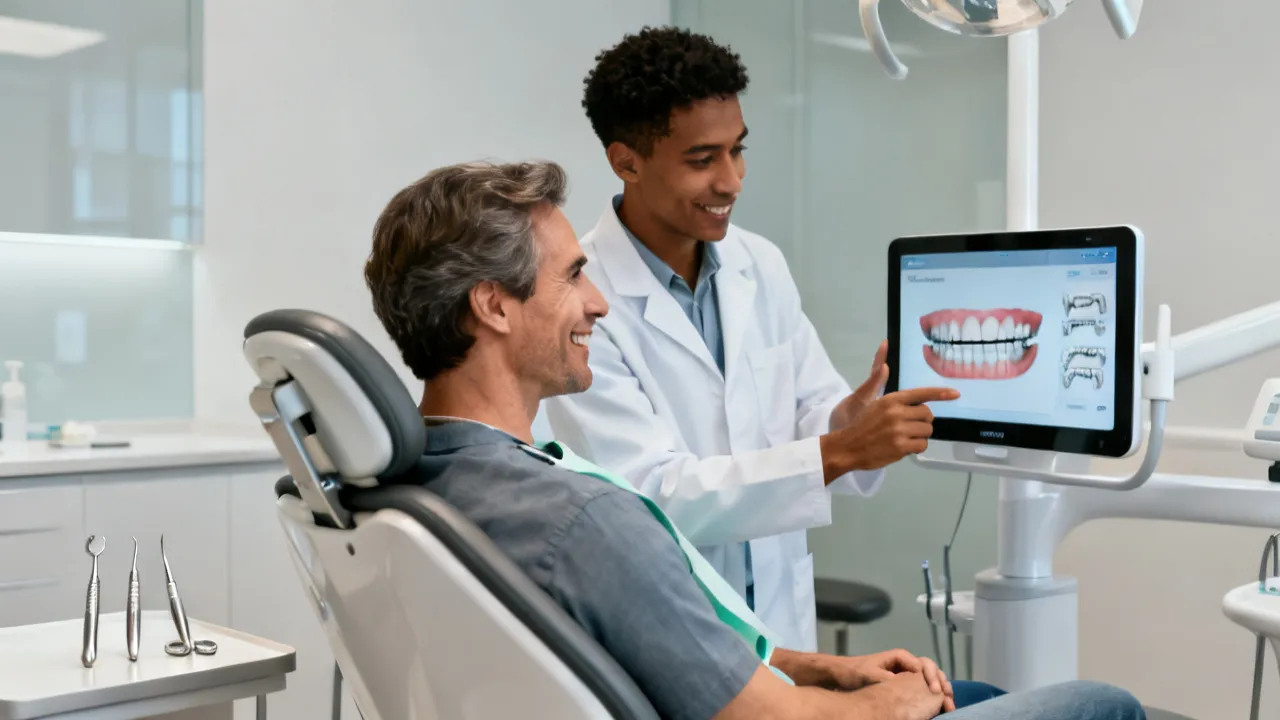
This guide helps you choose an Orthodontist for Adults Near Me by explaining adult orthodontic needs, evaluation steps, and how to plan for affordability. It also reviews low-cost dental implant information sources, typical implant costs across multiple English-, Spanish-, and Portuguese-speaking countries, and practical next steps based on clinical top practices.