This guide explains what patients should expect from Orthosmile Hounslow when considering dental implants and related treatment. It provides an objective overview of low-cost implant pathways across English-, Spanish-, and Portuguese-speaking regions, including practical steps, cost reference ranges, and evidence-minded guidance on evaluating clinics, insurance options, and treatment planning.
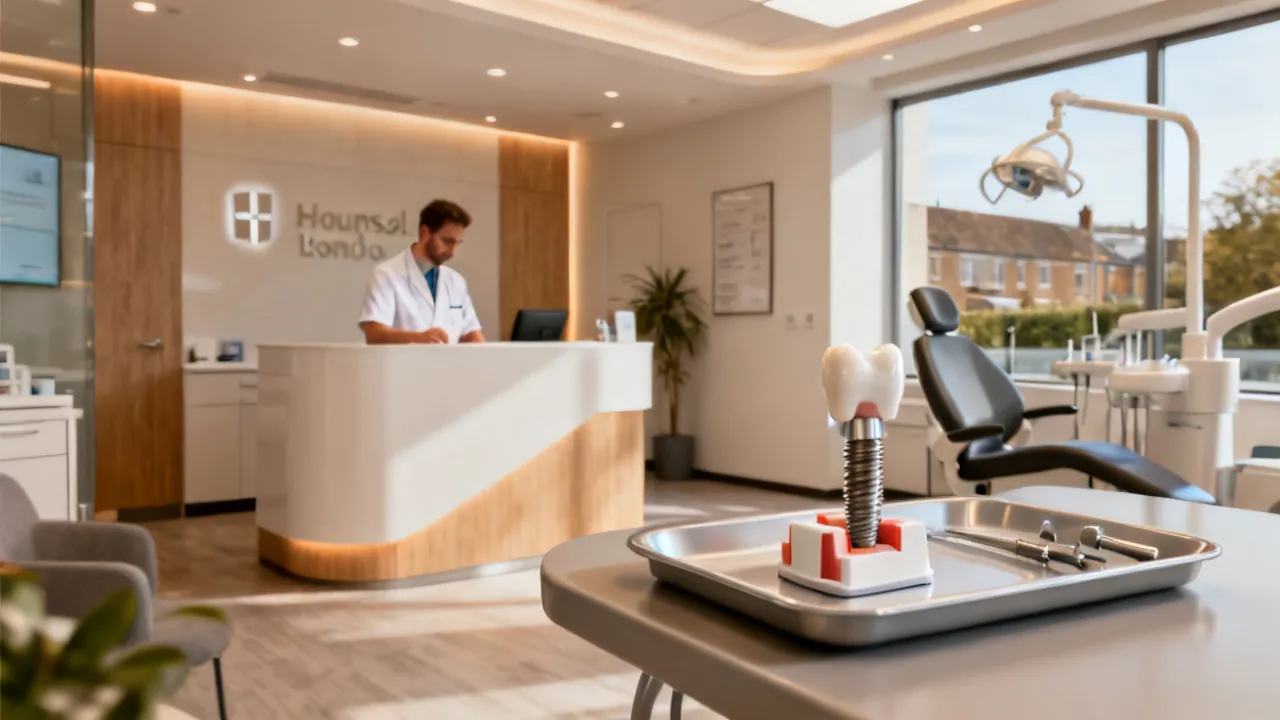
Choosing a clinic is only the first decision; successful dental implant outcomes depend on clinical planning, risk assessment, and consistent follow-up. For patients considering Orthosmile Hounslow, the very important starting point is to confirm whether you are a suitable candidate for implants, what specific implant approach is proposed, and how the clinic controls both surgical and restorative phases.
Dental implants are not a single “product.” They are a multi-step treatment pathway that typically includes diagnostics, treatment planning, implant placement, and then prosthetic restoration (crowns, bridges, or dentures). When patients seek lower-cost options, the key is not to “only reduce price,” but to preserve safety, predictability, and good maintenance.
Many people begin researching dental implants by searching for “cheap implants near me,” or by comparing implant prices across regions. That approach can be understandable—especially if you are paying from your own pocket. But implants are biologic and mechanical systems. They depend on how the implant interacts with bone, how the prosthetic restoration interacts with your bite and jaw muscles, and how you will maintain oral hygiene for years. A “low-cost” strategy that neglects diagnostics or follow-up can lead to rework, additional expense, or complications that are preventable with better planning.
So the first thing to do—before comparing headline pricing—is to obtain clarity on your personal eligibility and on the clinic’s process. For example, you want to understand whether your case needs an implant only, whether you need extractions and immediate implants, whether bone grafting or sinus considerations are present, and whether you will receive screw-retained or cemented restorations (depending on the plan). You also want to know who performs each step: the surgery, the restorative design, and the final fitting. Clarity here is a quality marker.
Because Orthosmile Hounslow is located within a specific community, your ability to attend follow-up visits matters. London borough logistics—travel time, appointment availability, work schedules—can influence whether you receive timely check-ups. Successful implant treatment often requires you to be present at key milestones: early healing, restoration delivery, occlusion checks, and long-term monitoring of peri-implant health.
A dental implant is an artificial root—usually made of biocompatible titanium or similar implant materials—placed into the jawbone. Over time, the implant surface bonds with bone (osseointegration). The final restoration is then attached to the implant, restoring function and appearance.
From an expert perspective, the treatment plan typically balances four pillars:
When patients compare “low-cost dental implants,” they are usually comparing different trade-offs such as:
To make this more concrete: “implant success” is not only about whether the implant survives. It includes whether the implant integrates well, whether the restoration fits precisely, whether your bite is balanced, whether the surrounding gums remain healthy, and whether you can maintain the area effectively. A low cost that compromises any of these domains can reduce long-term outcomes, increase the chance of mechanical complications (like porcelain chipping, screw loosening, or restoration fractures), or biologic complications (like peri-implant mucositis or peri-implantitis).
Clinicians typically think about implants in a systems framework:
This is why “cheapest implant” is rarely the safest decision phrase. Instead, a more evidence-aligned approach is to ask what the clinic’s plan includes and how they mitigate risks.
For patients near Orthosmile Hounslow, continuity is often a decisive factor. While international treatment and dental tourism can reduce certain costs for some patients, care continuity can be more complex when the surgical team and restorative follow-up are in different systems or time zones.
In London borough life—commuter schedules, work commitments, and transport constraints—continuity of appointments can reduce delays. A clinic in or near Hounslow can also support timely reviews after surgery (for example, early healing checks, suture management if applicable, and longer-term prosthetic adjustments).
Continuity matters because several implant milestones are time-sensitive:
If you travel after surgery, you may risk missing the right review window. Delayed detection of a biologic or mechanical issue can turn a minor fix into a larger problem. Even if your initial implant placement is successful, restoration-related issues like screw access discomfort, incorrect bite contacts, or gum inflammation require prompt management.
For this reason, patients should treat location as part of the “total care system.” A nearby clinic can be a quality advantage even if the initial quote looks slightly higher—because it potentially reduces the cost and stress of unplanned visits later.
Across the healthcare and dental services market, lower-cost pathways usually fall into a few categories:
Rather than focusing only on the lowest headline number, clinicians advise patients to request a total treatment breakdown (diagnostics, surgery, prosthesis, and aftercare), then compare that to the alternative plan.
It is also useful to understand that “low cost” can happen without being “low quality.” Some clinics genuinely operate with efficient teams, standardized protocols, and strong preventive maintenance plans. However, the same market category can include clinics that compress steps, use incomplete diagnostics, or under-specify what happens if problems arise.
When a quote is low, you should ask:
By forcing the conversation toward process and documentation, you can better evaluate whether “low-cost” equals “low clarity.” Low clarity is one of the biggest drivers of unexpected spending and dissatisfaction.
The following table summarizes how several websites present information related to low-cost dental implants. This is informational structure (not an endorsement), intended to help patients understand what types of guidance they may find.
| Website | What It Emphasizes |
|---|---|
| dentalviews.com | Low-cost implant guidance, procedure overview, benefits, and cost-oriented FAQs. |
| atlanticdentalgrp.com | Broad clinic services overview, including implant-related information and appointment access. |
| dentavacation.com | Dental tourism framing—cost comparisons across countries and travel-oriented planning. |
| rockvilledentalarts.com/es/ | Spanish-language clinic services including implants and related restorative options. |
| cigna.com/es-us/knowledge-center/guide-to-dental-implants | Insurance-company style education, explaining implant basics and considerations for covered care. |
source: [www.dentalviews.com](https://dentalviews.com/low-cost-dental-implants/)
source: [www.atlanticdentalgrp.com](https://www.atlanticdentalgrp.com/)
source: [www.dentavacation.com](https://www.dentavacation.com/)
source: [rockvilledentalarts.com/es](https://rockvilledentalarts.com/es/)
source: [www.cigna.com](https://www.cigna.com/es-us/knowledge-center/guide-to-dental-implants)
When using information sources like the above, it can help to separate “general education” from “clinic-specific promises.” Education pages can teach you vocabulary, typical treatment steps, and how costs may be structured. But they do not replace a personalized evaluation. The best way to use online information is to convert it into questions for your consultation with Orthosmile Hounslow or any clinician you consider.
For example, education content might explain what osseointegration is, what factors influence implant candidacy, or why follow-up matters. You can then ask your clinic: “In my case, what are my specific risk factors and what will you do to mitigate them?”
Patients often ask what a “low-cost” route actually looks like in practice. Below is a structured approach that aligns with common clinical and consumer workflows used across English-, Spanish-, and Portuguese-speaking healthcare markets.
Eligibility is not just about whether you have enough bone. A clinic should evaluate:
For patients with missing teeth, eligibility also depends on timing. Some people can consider “immediate placement” after extraction; others may benefit from a healing period before implant placement to improve predictability. A low-cost clinic might be tempted to push immediate placement in cases where it increases risk. A quality-focused clinician will explain why a particular timeline is recommended for your anatomy and health.
A written plan should function like a roadmap. It should include:
Patients often discover after starting treatment that “low cost” quotes do not include crucial items like imaging, temporary restorations, or adjustments. Written plans help prevent this. They also make it easier to compare Orthosmile Hounslow with other clinics because you can compare like-for-like.
Two plans may use the same number of implants but still differ in cost because of restoration complexity and materials. For example:
When comparing, ask: “What is the intended restoration outcome—appearance, function, and maintenance—and how does your plan achieve it?” If a clinic offers the cheapest approach but cannot explain the functional plan for your bite and chewing pattern, you may be trading cost for predictability.
Even when insurance partially covers some elements, you still need clarity. Insurance policies may cover diagnostics or preventive visits, but implant coverage may be limited or subject to waiting periods. Some plans cover certain types of restorations but not others. Additionally, the clinic’s billing practices affect whether claims are accepted smoothly.
A practical insurance conversation with your clinic includes asking:
For some patients, dental tourism can lower costs. However, lower treatment prices may come with additional trade-offs:
If considering dental tourism (as outlined on dental tourism information sites), plan to ensure that a qualified local provider can support follow-up care when needed.
It is also important to consider that follow-up may require radiographs and measurements, not just “a quick look.” If you need re-tightening screws, management of gum inflammation, adjustment of bite contacts, or treatment of complications, those steps require documentation and continuity. A local provider who did not place the implant may be willing to help, but the workflow can be slower without access to the original data.
If you do compare cross-border options, you should request:
Clinical standards are not just ethical—they are practical. Infection control reduces the risk of surgical site complications. Documentation and scheduling reduce the likelihood that patients fall through the system. In a cost-sensitive environment, some clinics may under-emphasize these standards. You can counter that by asking for information and by paying attention to the clinic’s responsiveness to your questions.
Also, ask about emergency access and communication. If you have significant pain, swelling, or unusual symptoms after implant placement, you want to know how quickly you can be seen and what the procedure is for contact.
Maintenance is where “cheap implants” can become expensive if patients do not maintain peri-implant health. Plaque accumulation can cause inflammation. Over time, chronic inflammation can damage supporting tissues. For many patients, implant longevity is strongly associated with consistent cleaning routines and professional follow-up.
A good clinic will typically provide:
Below are reference cost ranges for individual dental implants by country/region. These are not guarantees; they provide a broad benchmarking context for budgeting and initial discussions.
| Country | Currency | Price Range (Individual Implant) |
|---|---|---|
| United States | USD | $3,000 - $6,000 |
| United Kingdom | GBP | £2,000 - £2,500 |
| Australia | AUD | AU$3,500 - AU$6,500 |
| Canada | CAD | CA$3,000 - CA$5,500 |
| Spain | EUR | €1,500 - €2,500 |
| Chile | CLP | CLP$800,000 - CLP$1,500,000 |
| Mexico | MXN | $15,000 - $25,000 |
| Colombia | COP | $2,000,000 - $4,000,000 |
| Peru | PEN | S/ 3,000 - S/ 6,000 |
| Argentina | ARS | $80,000 - $150,000 |
| Brazil | BRL | R$3,000 - R$8,000 |
| Portugal | EUR | €1,000 - €2,000 |
Important note for budgeting: the “individual implant” figure may or may not include tooth replacement components (e.g., crown), preparatory surgeries, imaging, sedation, and follow-ups depending on how a clinic defines its pricing. Always request an itemized quote when comparing with Orthosmile Hounslow or any other provider.
It is also important to interpret these reference ranges correctly. The “implant” may represent only the titanium fixture. Your total cost may include:
Therefore, a “low-cost” implant quote should always be treated as a partial number until you confirm scope-of-work. In other words: pricing must be converted into a complete plan.
When patients pursue implants—especially when they are cost-sensitive—the very reliable strategy is to ask questions that reveal planning quality and risk management.
Helpful follow-up questions include:
Additional coordination questions:
Also consider asking:
If a clinic responds to these questions with vague answers or avoids writing details, you may consider moving on. A transparent clinic builds trust because implants require long-term engagement.
As an industry lens, cost differences can be legitimate. However, “cheap” in dentistry can sometimes correlate with incomplete diagnostics, unclear scope of work, or compressed follow-up plans. Because implant success depends on good biologic integration and prosthetic fit, the safest “low cost” strategy is to ensure that clinical standards are preserved.
For patients considering Orthosmile Hounslow, a practical approach is to compare:
To expand on “quality” without being vague, quality often shows up as:
In contrast, low-cost may look like:
Because you are considering Orthosmile Hounslow in your local area, you also have an opportunity advantage: you can compare and visit during normal hours, ask direct questions, and arrange for follow-up. You are not forced to gamble by waiting months for remote support. Use that advantage.
Online resources—such as dental tourism information platforms—often frame cost savings through traveling abroad to receive treatment. Similarly, dental insurance education sources focus on navigating plan rules. These resources can be helpful for understanding options, but patient decisions should remain grounded in clinical eligibility and continuity of care.
From a risk-management standpoint, the critical question is: Who will provide follow-up care after the implant is placed? If follow-up is not clearly supported, the patient may face delays in addressing early healing concerns or prosthetic adjustment needs.
When considering insurance, there is also a hidden cost: time. If insurance requires pre-authorization, staged approvals, or waiting periods, delays can occur. Those delays can be clinically relevant because failing teeth or gum disease may worsen during the waiting period. Ask whether delaying treatment affects your dental health status and whether any interim solutions are recommended.
In practice, an evidence-minded approach to both dental tourism and insurance includes:
Even if dental tourism is financially attractive, the “hidden” expenses include the risk of slower responses and the potential for additional treatments if complications occur. Not every patient experiences these issues, but they are part of the objective risk profile.
Because language and administrative systems shape patient experience, it’s helpful to understand how guidance is often presented across markets.
Educational and clinic information in English-speaking regions often emphasizes procedure explanations, implant benefits, and appointment accessibility. Some informational sites also target cost-conscious searches by presenting implant overviews and typical cost factors.
In these contexts, patients can sometimes find more detailed consumer resources—checklists, FAQs, and step-by-step explanations. However, the availability of implant specialists and the quality of information can vary by clinic and region. Therefore, the same advice applies: confirm details with a personalized consultation and request itemized quotes.
Spanish-language clinic websites and insurer/knowledge-center resources frequently aim to serve patients who prefer communication in Spanish. For instance, Spanish-language materials may describe implant services (including related restorative treatments) and educational background about what implants involve.
Language accessibility can matter for consent. Implant treatment involves risks and multiple appointments. If you cannot clearly understand the process, you may not fully appreciate the implications of choosing certain materials, surgical approaches, or timelines. Patients should confirm that they can ask questions and receive written information in a language they understand.
Portuguese-speaking markets often include clinics offering orthodontics, whitening, and implant services, with patient reviews and local service details. In addition, some organizations provide dental plans with networks of dentists, emergency coverage concepts, and consumer-focused service access.
In Portuguese-speaking markets, it may also be common to use dental plan networks and package offers. Patients should still insist on itemized breakdowns and on clarity about what happens if bone grafting is needed later, if a restoration requires adjustment, or if additional hygiene maintenance is required.
Across all language contexts, the core principle remains the same: your implant plan should be understandable, documented, and supported with a follow-up pathway.
Eligibility depends on jawbone quality/volume, oral health status, medical risk factors, and your ability to maintain hygiene. A clinic should perform an examination and appropriate imaging, then explain whether you need preparatory steps such as extractions or bone grafting.
To make this more practical: ask your clinic to describe your risk profile in plain terms. For example, ask how well your gums currently heal, whether you have gum inflammation, whether you have enough bone density, and how your medical history affects healing. If you smoke or vape, ask how that influences risk and whether you need a timeline for cessation or additional monitoring.
It usually refers to a lower total price achieved through one or more factors—clinic workflow efficiency, insurance/financing, staged care, a different prosthesis option, or cross-border treatment. The very important check is scope-of-work clarity, not the headline figure.
Another way to interpret “low cost” is whether the clinic uses standard protocols for similar cases. Standardization can improve efficiency, but it must still be individualized. Patients should not accept “one size fits all” without an explanation of how the plan matches their anatomy.
Sometimes, yes, because costs can vary by country. However, patients must also consider travel expenses, time away from work, and continuity of follow-up care. Any decision should include a plan for post-surgical monitoring.
In addition to these factors, you should also consider the “documentation continuity” problem. If you need components replaced, your local provider will benefit from having the implant system name, component model, and documentation from the original surgery.
Ask for an itemized quote, a written treatment timeline, who performs each step, what imaging is used, and what follow-up schedule is included. Also ask how complications are handled and whether there is any warranty for the restorative components.
Optional but useful add-ons: ask about the specific restoration design (e.g., single crown vs bridge vs full arch), how the bite will be assessed, and whether you will receive a night guard if clenching is suspected.
Pricing definitions vary. Some quotes include the implant and the prosthetic tooth; others separate components. Request a detailed breakdown so you compare like-for-like.
When comparing quotes, insist on itemization for at least: implant fixture, abutment, crown/bridge, lab fees (if applicable), imaging, surgical guide (if used), sedation/anesthesia, temporary restoration (if any), and follow-up visits/adjustments.
Coverage varies by plan and individual eligibility. Educational materials from dental insurance providers can help patients understand plan mechanics, waiting periods, and claim requirements. Always verify details with the insurer and request a clinic submission checklist.
Also ask whether insurance covers preparatory work like periodontal therapy or extractions, because those steps may be necessary before implants. Sometimes patients focus only on “implant coverage” and forget that gum health is prerequisite.
Typical timelines vary by whether bone grafting or extractions are required and by healing response. Your clinic should provide an expected range based on your specific diagnosis and proposed restoration type.
Patients should also ask whether the timeline can change and what happens if healing is slower than expected. A quality plan includes contingencies rather than only a best-case schedule.
Follow the clinic’s hygiene instructions, attend scheduled maintenance visits, and report discomfort promptly. Good outcomes are strongly linked to consistent oral hygiene and monitoring of peri-implant tissues.
Longevity is also affected by your diet and habits. Ask about recommendations for reducing plaque accumulation, managing dry mouth (if relevant), and protecting restorations from high-force habits.
If you want lower costs without sacrificing clinical quality, focus on transparent planning and clear expectations:
To further make “low cost” evidence-minded, consider these additional actions before you sign anything:
Evidence-minded decision-making does not guarantee a complication-free experience, but it reduces avoidable risk. It also helps you identify when “cheap” is associated with missing steps.
For patients near Orthosmile Hounslow, the very pragmatic strategy is to treat implant care as a carefully managed clinical journey rather than a single purchase. A consultation should clarify eligibility, a written plan should map steps and costs, and follow-up should be defined from the beginning. When patients also explore low-cost resources internationally or through financing and education platforms, the guiding principle remains consistent: protect clinical standards and continuity of care, even while seeking cost efficiency.
Ultimately, the best “low-cost” implant pathway is the one that aligns the right clinical plan with the right support system. If you can verify diagnostics, understand the restoration approach, and confirm follow-up and maintenance, you are making a decision based on clinical reasoning rather than marketing. That is how patients maximize the chances of a durable outcome—functionally, biologically, and aesthetically.
1) The above information comes from online resources, and the data is as of October 2023. 2) Dental implant prices are for reference only and may vary by region, clinic and doctor.
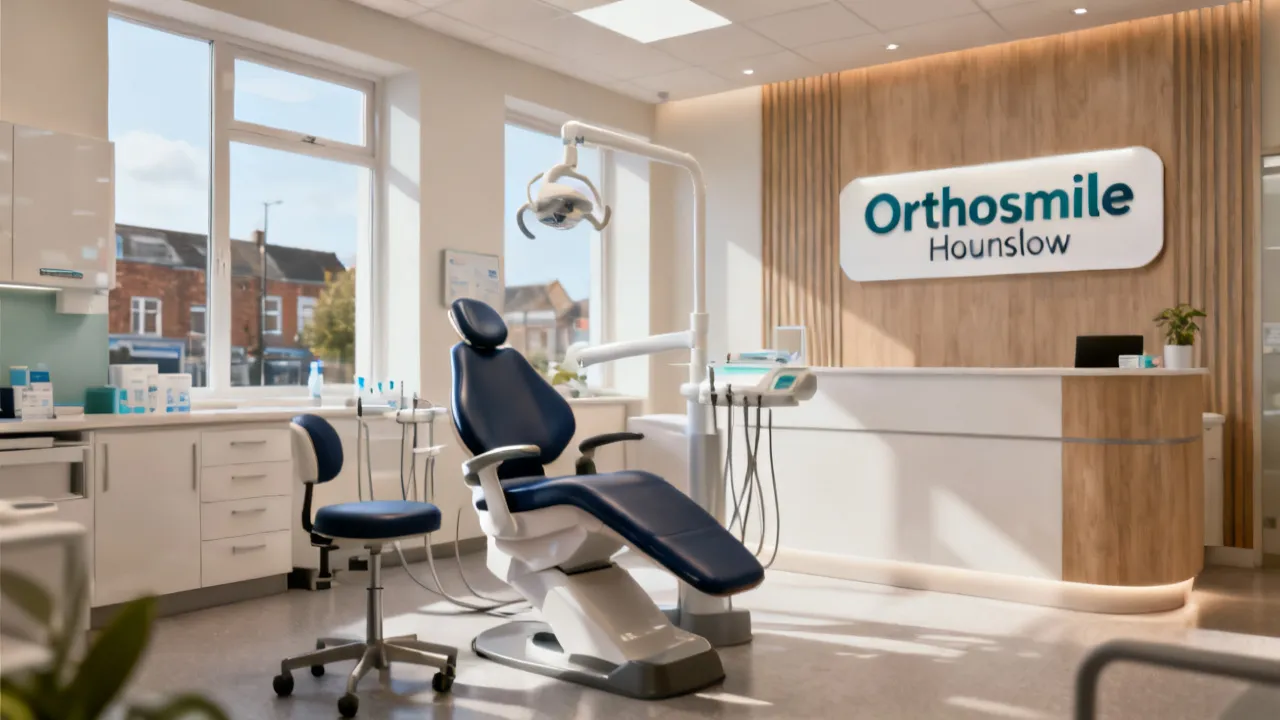
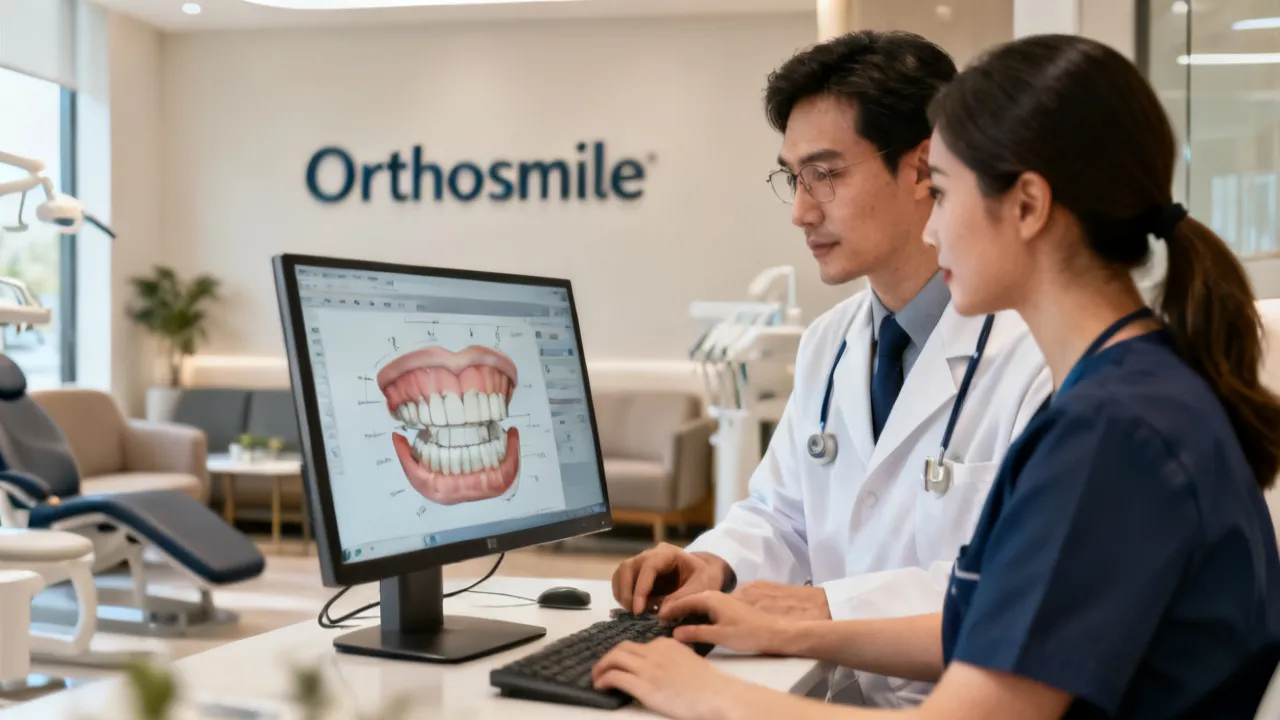
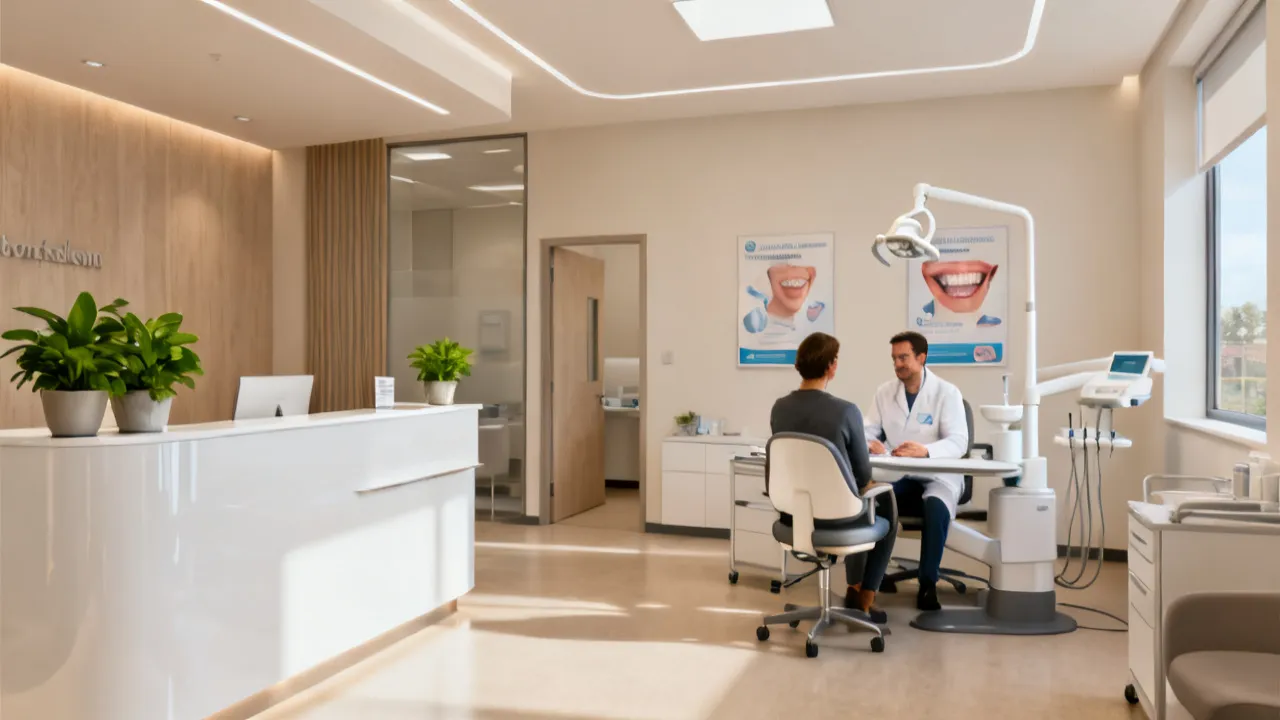
This guide explains how to evaluate dental implant options with a focus on Orthosmile Hounslow and the practical decision points behind low-cost implant pathways. It reviews clinic services, planning requirements, and cost ranges across English-, Spanish-, and Portuguese-speaking countries, then compares trusted information sources and outlines a step-by-step approach—ending with key FAQs and a clear disclaimer.
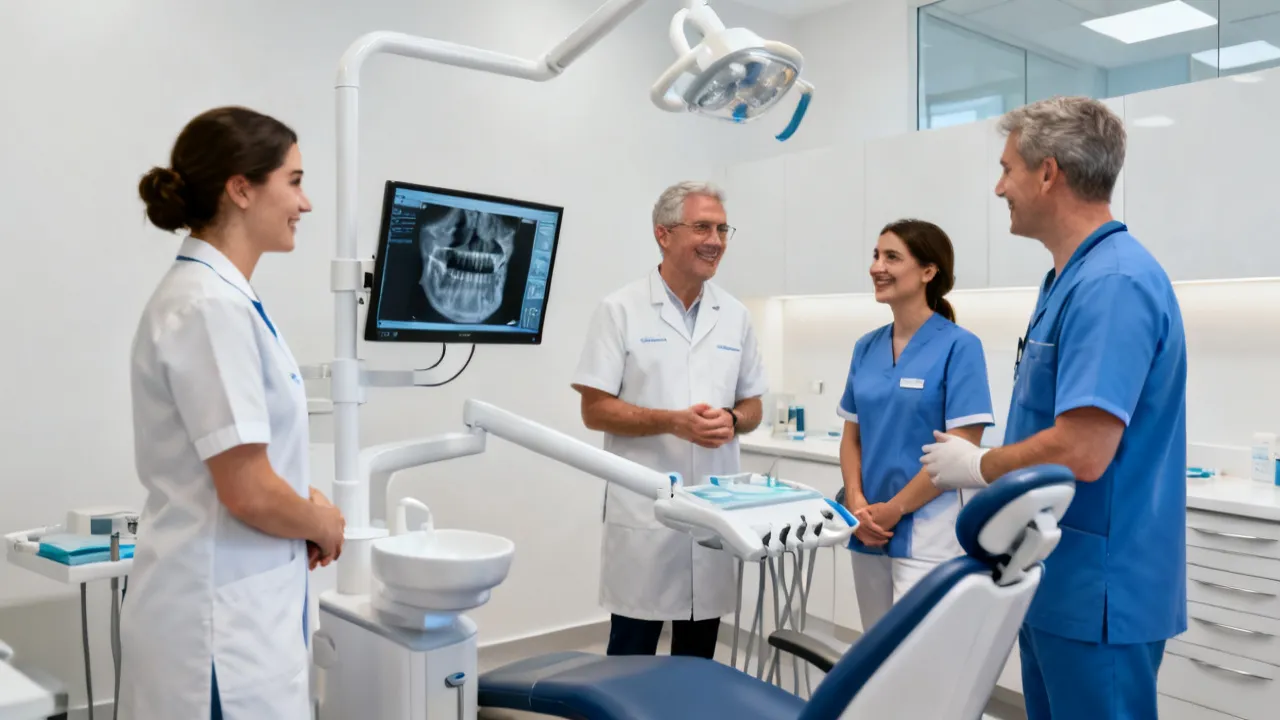
This guide explains how Orthosmile Hounslow supports patients planning dental implants and orthodontic care nearby. It provides an objective view of low-cost implant options, outlines verified cost ranges across countries, and compares how different information sources approach pricing and processes. You’ll also find a practical step-by-step pathway to pursue cost-effective implants.

This guide explains what patients should expect from Orthosmile Hounslow when considering dental implants and related orthodontic care. It provides an expert, evidence-informed overview of low-cost implant pathways, cost drivers, and planning steps. You’ll also find cost ranges across multiple countries, plus a structured comparison of online resources and practical FAQ answers.
This guide explains what Orthosmile Hounslow represents within local dental care, and how English-, Spanish-, and Portuguese-speaking countries approach low-cost dental implants. It compares key information sources, outlines a step-by-step pathway for reducing implant costs responsibly, and provides region-based implant price ranges for planning and discussion with qualified clinicians.

This guide reviews Orthosmile Hounslow and how dental implant planning typically works in nearby communities. It covers candidacy, clinical steps, cost considerations across English-, Spanish-, and Portuguese-speaking countries, and a practical method to pursue low-cost options responsibly. Expert-style FAQs explain materials, timelines, risks, and what to ask during consultation.
This guide explains what to expect from Orthosmile Hounslow when considering dental implants, including clinical steps, eligibility considerations, and how “low-cost” options are typically structured in English-, Spanish-, and Portuguese-speaking markets. It also compares trusted online reference sources and provides region-based cost ranges and practical ways to reduce expenses responsibly.
This guide helps you choose an Orthodontist for Adults Near Me by explaining adult orthodontic needs, evaluation steps, and how to plan for affordability. It also reviews low-cost dental implant information sources, typical implant costs across multiple English-, Spanish-, and Portuguese-speaking countries, and practical next steps based on clinical top practices.
This guide explains how to choose an Orthodontist for Adults Near Me with implant-aware planning, what “low-cost” dental implants usually means, and how costs commonly vary across countries. It provides objective decision criteria, a practical checklist, and FAQs so you can evaluate treatment options, insurance considerations, and realistic next steps before scheduling.