This guide explains how to find an orthodontist for adults nearby, what adult orthodontic care typically involves, and how to plan for costs—especially when dental implants and related procedures are part of the overall treatment. It also reviews how low-cost implant information sources compare clinic approaches and insurance options, with practical steps for evaluating treatment plans objectively.
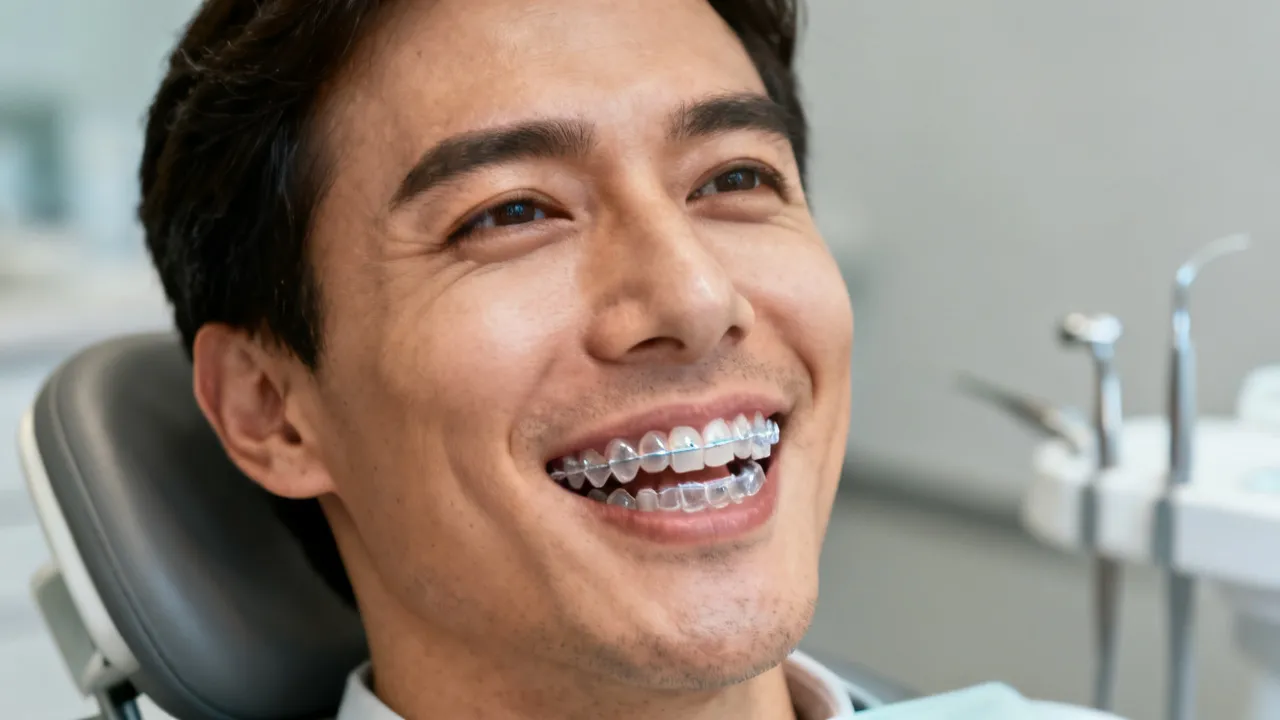
Searching for an Orthodontist for Adults Near Me is usually less about location alone and more about matching your goals—improved bite, straightened teeth, aligned smile symmetry, or coordination with missing teeth—against a clinic’s real capabilities. From an expert perspective, the very reliable way to decide is to evaluate (1) adult-focused orthodontic experience, (2) diagnostic quality (imaging, bite analysis, treatment simulation), (3) coordination with restorative needs (e.g., implants, crowns, periodontal health), and (4) financial transparency (treatment phases, fees, and insurance compatibility).
For many adults, orthodontic work is not a standalone service. The adult mouth often includes years of dental wear, gum recession, restorations, and sometimes missing teeth—each of which affects biomechanics, planning, and ultimately outcomes. When implants enter the picture, the decision becomes even more planning-intensive: orthodontic movement may need to coordinate with implant timing, bone support, and good occlusion stability.
In other words, the question “Who is near me?” is only the first filter. Adults typically need someone who understands that teeth do not move in a vacuum: they move inside a complex system involving bone, gums, prior dental work, the jaw joint, and long-established bite patterns. The best adult orthodontic providers tend to be those who treat the process like a roadmap, not like a single-service transaction.
When you search online or call clinics, pay attention to how the team talks about planning. If they quickly jump to a specific appliance (like “we only use aligners” or “we only do braces”), without first discussing diagnostics, bite goals, and treatment sequencing, that can be a warning sign. Adults often require multi-stage planning, and the appliance selection should be a conclusion drawn from diagnostics—not a predetermined sales approach.
Finally, because adults tend to have higher expectations and more immediate practical constraints (work schedules, cost limits, and sensitivity to treatment interruptions), you should also evaluate operational readiness: appointment availability, responsiveness with questions, clarity about costs, and how the clinic handles adjustments. Adult orthodontics is a long-term collaboration; a clinic’s communication culture often impacts your experience as much as the technology it advertises.
Adult orthodontics has distinct clinical realities compared with adolescent treatment. In adults:
These factors are why the phrase Orthodontist for Adults Near Me should prompt a deeper search: verify clinical experience with adult cases, not just general orthodontic services.
To understand why adult treatment can be trickier, consider what has changed since adolescence. Teen teeth are often still developing with more predictable growth responses and healthier gum environments. Adults, however, may have:
Adult orthodontics also often intersects with other goals: some people want to improve aesthetics for social confidence; others need functional correction because chewing feels inefficient or painful. Still others want to “prepare” the bite for restorative dentistry—like crowns, bridges, or implant prosthetics—so that the final outcome feels natural and durable.
Another important difference is patient expectation around speed. Adults may ask, “Can we finish quickly?” An expert orthodontist will be honest about realistic timelines. Some cases can move faster, but many adult plans require additional staging for periodontal stability, occlusal settling, or coordination with restorations. A clinic that promises “fast” without discussing biological constraints is often not thinking like a long-term outcome provider.
In addition, adults may have different risk tolerances. Some want the least visible appliance; others prioritize comfort and fewer emergency appointments. Your best match is therefore not only the best orthodontist on paper, but the one whose style of planning fits your preferences and life constraints.
Adult orthodontic plans typically fall into a few categories. Your orthodontist will select the approach based on tooth positions, bite relationships, bone support, and how other dental needs are managed.
It’s helpful to think of orthodontic appliances as “tools” that must match the “engineering problem” in your mouth. Adults often present problems like: crowding plus recession, misaligned bite plus worn restorations, or spacing issues that intersect with missing teeth or planned implants. The correct tool for one problem may not be the correct tool for another.
Clear aligners are popular for adults due to aesthetics and convenience. Expert clinics typically emphasize:
For certain complex bite issues, fixed appliances may still offer more predictable control. A good adult orthodontist will discuss tradeoffs openly rather than steering you by preference alone.
When evaluating aligners for yourself, ask how the clinic handles typical adult aligner issues, such as:
Another adult-specific consideration is the effect of aligners on restorative surfaces. If you have crowns or veneers, your orthodontist may need to plan where aligner edges rest, how contacts are managed, and whether orthodontic movements should be paused to protect restorations.
Braces remain a dependable option for adults—particularly for challenging tooth rotations, vertical control, and comprehensive bite coordination. Many adult patients choose ceramic brackets for aesthetics, but the selection should be clinically driven.
Adults often choose braces not only for control but also for predictability in biomechanics. Fixed appliances can deliver continuous force and precise torque control. That may matter if you need:
In addition, adult braces care frequently involves individualized planning around gum sensitivity. A good orthodontist will coordinate with your dental health status—especially if you have history of gum inflammation or periodontal treatment.
When adults have existing crowns, missing teeth, or worn enamel, orthodontics may be used to prepare the bite so that restorative work blends naturally with the final occlusion. This coordination can involve:
Combined care is where adult orthodontics becomes most “engineered.” In many cases, the orthodontist works alongside a restorative dentist, periodontist, or implant surgeon to ensure that each step supports the next. For example, you might align teeth first so that a crown has correct spacing and contact points. Or you might stabilize the bite temporarily before more permanent restorative work begins.
If you’re considering a combination plan, ask for the treatment sequence and what triggers each transition. “We’ll start orthodontics and revisit later” can be appropriate in some cases, but adults benefit from more structured planning because their time, costs, and discomfort are all involved.
Some adults searching for an Orthodontist for Adults Near Me may also require implant evaluation—either because a tooth is missing or because the orthodontic plan must incorporate a future restorative outcome. The key expert principle is sequencing:
If you are considering implants alongside orthodontics, look for a clinic that explains the overall “roadmap” rather than treating services in isolation.
To understand why sequencing matters, consider what implants need biologically and mechanically. Implants require adequate bone volume and stable soft tissue conditions. Orthodontic movement can create space, but it can also change tooth inclination and how adjacent teeth contact. A well-planned system ensures that when the implant is placed (or when the prosthetic restoration is fabricated), the occlusion supports long-term function without forcing excessive strain.
Some adult scenarios involve missing teeth where orthodontics can help prepare the bite. For instance:
Additionally, adult orthodontists often consider how implant restorations behave under chewing forces. An implant crown can be strong, but it still needs appropriate contact distribution. If you “finish” orthodontics without thinking about where implant contacts will be, you may end up needing adjustments later.
Adults often seek “low cost” options to manage treatment budgets. From a scholarly standpoint, the safest approach is to compare what sources actually provide—such as educational depth, cost explanation frameworks, patient eligibility considerations, and references to the implant process—rather than assuming every “low-cost” promise is clinically equivalent.
| Website | Primary Focus |
|---|---|
| Dental Views (Low-cost implant content) | Explains implant basics, benefits, process steps, and cost components in an educational format |
| Atlantic Dental Group | Clinic service overview (including implants and orthodontics), often oriented toward appointment access |
| DentaVacation | Dental tourism guidance—cost comparisons across countries and travel planning concepts |
| American Dental Health Plans (ADHP-related) | Insurance-plan orientation—how coverage may reduce out-of-pocket spending |
source: [www.dentalviews.com](https://dentalviews.com/low-cost-dental-implants/) | [www.atlanticdentalgrp.com](https://www.atlanticdentalgrp.com/) | [www.dentavacation.com](https://www.dentavacation.com/) | [www.rockvilledentalarts.com/es/](https://rockvilledentalarts.com/es/)
Source note: The comparison above is based on the general focus and content type described by the referenced sites and is intended for orientation—not as a guarantee of outcomes or pricing.
It can be useful to separate two things: (1) “where the knowledge is coming from” and (2) “what you can reliably apply to your own case.” Educational resources can help you understand typical implant steps and cost drivers. Meanwhile, clinic websites can show what services are offered and whether they advertise coordinating care with orthodontics or restorative needs.
When you compare sources, look for signals of clinical seriousness, such as:
Adult patients often feel anxious because implants are both expensive and medically complex. Comparing information sources helps reduce anxiety by turning unknowns into questions you can ask in consultation. Even if your final clinic is different from the sources you initially read, the knowledge framework you build can help you make better decisions.
Below is a structured, expert-style approach to pursuing low-cost dental implants while maintaining decision quality. While prices differ by region, these steps help you avoid common planning errors (like focusing only on the headline cost).
To expand on these steps, consider that “low cost” frequently changes based on what you need beyond the implant itself. For example, two patients might both “need one implant,” but one might need a bone graft while the other does not. Another might need sinus considerations (especially in the upper back region). The cost difference isn’t arbitrary; it reflects biological complexity. That is why a proper exam should classify your case risk level and anticipate likely additional procedures.
Also, ask how the clinic manages discomfort and recovery. Low cost should not mean “low follow-up.” You want clear instructions for pain management, swelling expectations, and what the clinic will do if healing is delayed.
If you’re coordinating implants with orthodontics, the sequencing conversation should include: how long orthodontic changes will wait for implant healing; what happens if tooth alignment changes mid-course; and whether orthodontic attachments or appliances are paused around surgical timelines.
English-speaking countries: Many patients find cost reductions through dental insurance optimization, bundled package clinics, or carefully structured treatment plans. Some prefer clinics that communicate clearly about total fees and follow-ups.
Spanish-speaking countries: Clinics that offer Spanish communication can reduce friction in consent, post-operative care instructions, and follow-up scheduling. Some institutions also provide integrated services such as orthodontics and implants, which can simplify coordination for adult patients.
Portuguese-speaking countries: Patients often benefit from clinics that offer both orthodontic and implant services under one care pathway, plus transparent explanations of treatment stages. Where insurance plans exist, reviewing plan networks can help reduce costs.
Language support is not only about translation; it’s about clarity. Implant care includes specific medical instructions and warning signs. If your understanding is shaky due to language barriers, your ability to comply with healing protocols might reduce. That can indirectly affect outcomes. Therefore, a clinic’s language accessibility can be part of its clinical quality.
In addition, different countries may approach patient consent and follow-up protocols in distinct ways. Ask what follow-up cadence looks like, what the after-hours emergency policy is, and whether you will receive written post-operative instructions.
The following values are intended as reference ranges for individual dental implants only in the indicated currencies. Final costs can change due to clinical complexity (bone grafting, implant type, and restoration requirements), provider fees, and regional pricing.
| Country | Currency | Price Range (Individual Implant Only) |
|---|---|---|
| United States | USD | $3,000 - $6,000 |
| United Kingdom | GBP | £2,000 - £2,500 |
| Australia | AUD | AU$3,500 - AU$6,500 |
| Canada | CAD | CA$3,000 - CA$5,500 |
| Spain | EUR | €1,500 - €2,500 |
| Chile | CLP | CLP$800,000 - CLP$1,500,000 |
| Mexico | MXN | $15,000 - $25,000 |
| Colombia | COP | $2,000,000 - $4,000,000 |
| Peru | PEN | S/ 3,000 - S/ 6,000 |
| Argentina | ARS | $80,000 - $150,000 |
| Brazil | BRL | R$3,000 - R$8,000 |
| Portugal | EUR | €1,000 - €2,000 |
| Germany | EUR | €2,000 - €3,500 |
| France | EUR | €1,500 - €2,500 |
| Italy | EUR | €1,500 - €3,000 |
| Japan | JPY | ¥300,000 - ¥700,000 |
Because the table is “implant only,” it can be tempting to treat it as the true cost. For clarity, in typical real-world treatment, the final patient bill often includes:
Therefore, you should treat these ranges as a starting reference, then insist on a full itemized quote before comparing across countries or clinics.
When budgeting for orthodontics and possible implants, adults often encounter promotional pricing. Expert evaluation should focus on whether “low cost” is achieved without compromising:
In practice, a high-quality clinic can sometimes be more cost-effective over time because fewer complications and fewer remakes may be needed. This is why adult patients should compare “total treatment value,” not only headline pricing.
To make “total value” tangible, compare at least three categories across clinics:
Adults often underestimate the time and cost of “after” work. For example, if a crown or implant restoration doesn’t fit ideally, you might need remakes, additional visits, or additional adjustments. A low-cost quote that omits these possibilities can be misleading. Ask what happens if you need a correction and whether that correction is included or billed separately.
Also consider alignment and bite stability for adults. If orthodontics is part of your plan, the cost of retention (which may be ongoing) should be included in your budgeting. Some clinics quote the active orthodontic phase but not the retention plan, yet retention is crucial for adults to prevent relapse.
If your search query is truly Orthodontist for Adults Near Me, consider bringing a checklist to your first consultation. Expert clinics respond well to clear questions.
To make the checklist more actionable, you can add questions about biomechanics and risk. For example:
It’s also wise to ask about the practicalities of your treatment schedule. Adult orthodontics frequently requires attendance at certain intervals. If your work travel is unpredictable, you need to know whether the clinic can accommodate rescheduling and how missed appointments affect aligner timelines.
For those considering implants, ask whether your orthodontist will communicate directly with the implant surgeon, rather than only telling you “to coordinate with them.” Direct communication can reduce gaps in sequencing and ensure that orthodontic tooth positions are correct at implant time.
Use a shortlist approach: verify adult-case experience, confirm their diagnostic process, ask how they manage bite stability, and request a staged plan. Location matters, but adult orthodontics quality hinges on planning and coordination.
Yes, for many adults clear aligners can be effective. Effectiveness depends on your malocclusion type, tooth movement goals, and the clinic’s refinement strategy. Your orthodontist should explain which movements are predictable in your case.
Often, timing is case-specific. Commonly, orthodontics may create or adjust space and bite relationships before implant placement, but sometimes implants are placed first to support restorative needs. A coordinated plan is the safest route.
It typically refers to reduced total out-of-pocket expense through package pricing, insurance coordination, clinic volume strategies, or other cost-management approaches. However, “low cost” should still include quality diagnostics, appropriate surgical workflow, and transparent component selection.
An expert estimate should detail included steps such as consultation, imaging, implant placement, abutment planning, final crown/bridge components, and follow-up visits. If an item is not included, ask how much it will cost separately.
Insurance coverage varies by plan and country. Some insurance may assist with diagnostic or restorative-related components, while implant-specific surgical coverage may differ. Checking eligibility and network providers can reduce out-of-pocket costs.
Dental tourism may reduce costs where treatment pricing is lower abroad. However, it increases complexity: you must plan for travel, post-operative care, potential complications, and follow-up scheduling. Ensure you understand what’s included and how continuity of care will be handled after you return home.
Common factors include adequate bone volume, gum health, controlled systemic health (e.g., diabetes), smoking habits, and medication considerations. Your clinician should evaluate these with imaging and clinical assessment.
Before finalizing an adult orthodontic or implant plan—especially when you are trying to manage costs—confirm these clinical and administrative requirements with the provider:
To go deeper, you can also confirm the following practical elements that often determine whether “low cost” becomes “expensive later”:
For implants, confirm that you understand the healing timeline and what constitutes normal vs abnormal recovery. Many people interpret post-surgical discomfort incorrectly. A responsible clinic educates you on what to watch for and when to call.
For orthodontics, confirm how retention will be handled in the long run. Adult teeth tend to have stronger “tendency to return” to previous positions because their periodontal ligament and surrounding tissues have long adapted. Retention is therefore not optional—it’s part of the outcome itself.
Many adults searching for Orthodontist for Adults Near Me are balancing work schedules, family responsibilities, and medical constraints. A practical approach is to prioritize:
In multi-lingual contexts, patients frequently find comfort and better adherence to care when instructions and follow-up are delivered in their preferred language—an often overlooked but highly practical part of successful outcomes.
Beyond logistics, adult constraints often include financial pacing. Some patients need to split payments across phases (e.g., orthodontic alignment, then restorative work, then implant restoration). If you need to plan around cash flow, ask for phased billing options. Also ask whether starting earlier requires paying for diagnostic imaging upfront and whether those fees are credited toward the final plan.
Another practical consideration is your tolerance for discomfort. Orthodontic adjustments can be mildly painful, and implants can require recovery time. Adults who have demanding schedules might benefit from planning active phases around work leave windows. Ask how soon after an implant procedure normal daily activity is typically resumed and whether orthodontic appointments can be timed around healing.
For readers considering Spanish-speaking or Portuguese-speaking options, the following referenced clinics/organizations illustrate how services may be packaged to support communication and care coordination. These examples are rephrased here to emphasize service scope patterns rather than pricing promises.
When browsing clinics in a different language environment, look for more than a translated homepage. Confirm whether the clinic can produce written consent forms in your language and whether the team has bilingual capability to discuss post-operative instructions. For implants and orthodontics, understanding your “what to do if…” scenario is crucial.
You can also use language-specific clinic pages as a clue that patient support may be structured for non-native speakers. That can reduce misunderstanding around medication schedules, hygiene recommendations, and follow-up attendance.
Finding an Orthodontist for Adults Near Me is very successful when your selection process is evidence-informed and outcome-focused. Prioritize rigorous diagnostics, a staged plan aligned with your bite goals, and—if you need missing-tooth solutions—coordination with implant timing and restorative design. When cost is a key constraint, use low-cost information sources as starting points, then demand itemized estimates and clear clinical sequencing before committing.
The most important idea is that “near me” should not overpower “right for my case.” Adult mouths are diverse: gum health and bone levels, existing restorations, TMJ considerations, and implant-prosthetic planning all influence treatment choices. The best orthodontic match will treat these realities as central—not as afterthoughts.
When you align your priorities—diagnosis first, sequencing second, transparency always—you reduce the risk of expensive surprises. Whether you choose braces or clear aligners, whether you eventually need implants, and whether you decide on local care or overseas cost optimization, your decisions should be built on a coherent plan and a clinic that can explain that plan clearly.
Timelines vary by case complexity, but your orthodontist should provide a realistic range and explain milestones (alignment, bite correction, finishing, retention). If your plan includes implant-related sequencing, timing may extend to coordinate healing windows.
It’s also useful to ask about what can cause treatment to extend. Common adult causes include incomplete compliance with removable appliances, the need for additional periodontal treatment before active orthodontics, and bite finishing that requires extra refinements. Knowing these variables helps you plan work leave and budgets realistically.
Orthodontics can subtly influence facial balance by improving tooth positions and occlusion. The extent depends on your skeletal characteristics and the biomechanics of movement; an expert clinician should discuss expected changes conservatively based on diagnostics.
Adult orthodontists typically focus on dental changes (tooth position and smile line) rather than major skeletal correction. However, even tooth-level movements can alter how the lips and smile arc interact. If you’re concerned about appearance changes, ask whether your clinic uses imaging and simulation tools to describe likely outcomes.
Retention is the phase after active movement used to stabilize teeth. Adults may have longer-standing bite and tooth positions, making retention important for preventing relapse.
Retention can involve removable retainers, fixed retainers, or combinations depending on your case. Ask your orthodontist what retention schedule they recommend and whether there is a cost included for retainers and future replacements. Adults should think of retention as an ongoing part of the outcome, not as a one-time accessory.
No treatment can be guaranteed in medicine, but many implants have high long-term success rates when patient health is optimized and surgical and restorative steps are performed correctly. Your clinician should discuss success rates, risk factors, and mitigation strategies.
If you have risk factors such as smoking, uncontrolled diabetes, or active periodontal disease, your clinic should propose strategies to reduce risk before moving forward. A good plan makes implant success more likely by addressing controllable variables first.
Usually, priorities depend on your diagnostic roadmap. If orthodontics is needed to create space or correct bite relationships before an implant, it may be the safer first step. If you need a missing tooth urgently for function and your orthodontic plan can’t be timed around healing, implants might be prioritized.
Ask for a phased plan that separates what must happen first from what can be done later. This helps reduce the chance of spending on one phase that later needs redesign.
Mini dental implants are smaller-diameter implants that may be used in specific clinical scenarios. Whether they’re appropriate depends on bone quality, prosthetic needs, and functional load considerations. Your provider should explain why the mini approach fits your case rather than assuming it’s automatically cheaper.
In some situations, mini implants can be an option for certain prosthetic designs, but they require careful assessment. Cost differences can reflect differences in components, prosthetic design, and stability considerations.
1) The above information comes from online resources, and the data is as of October 2023. 2) Dental implant prices are for reference only and may vary by region, clinic and doctor.
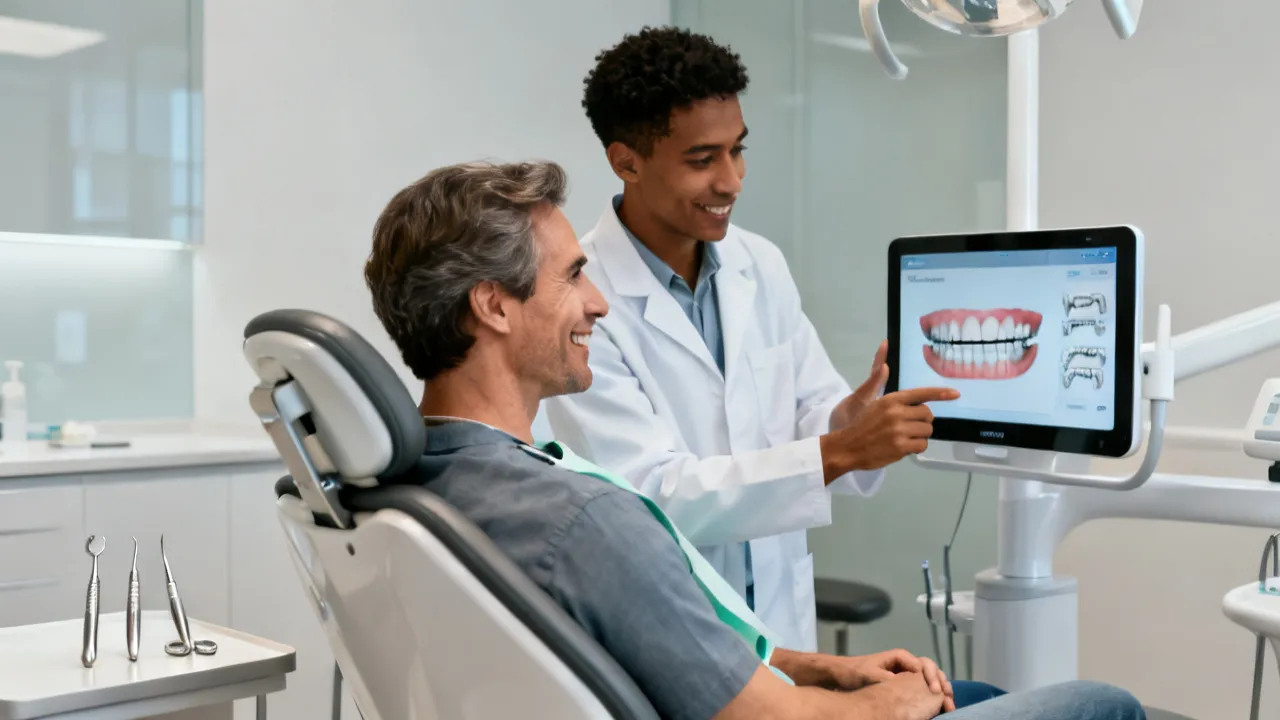
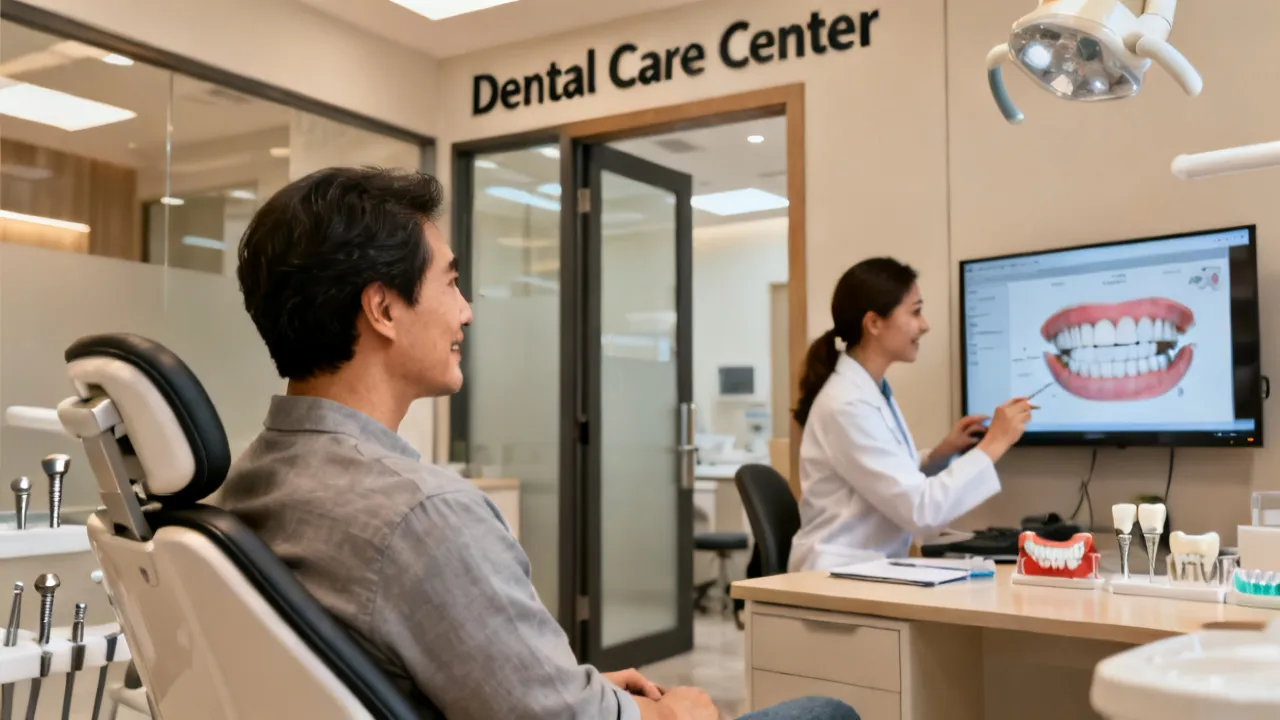
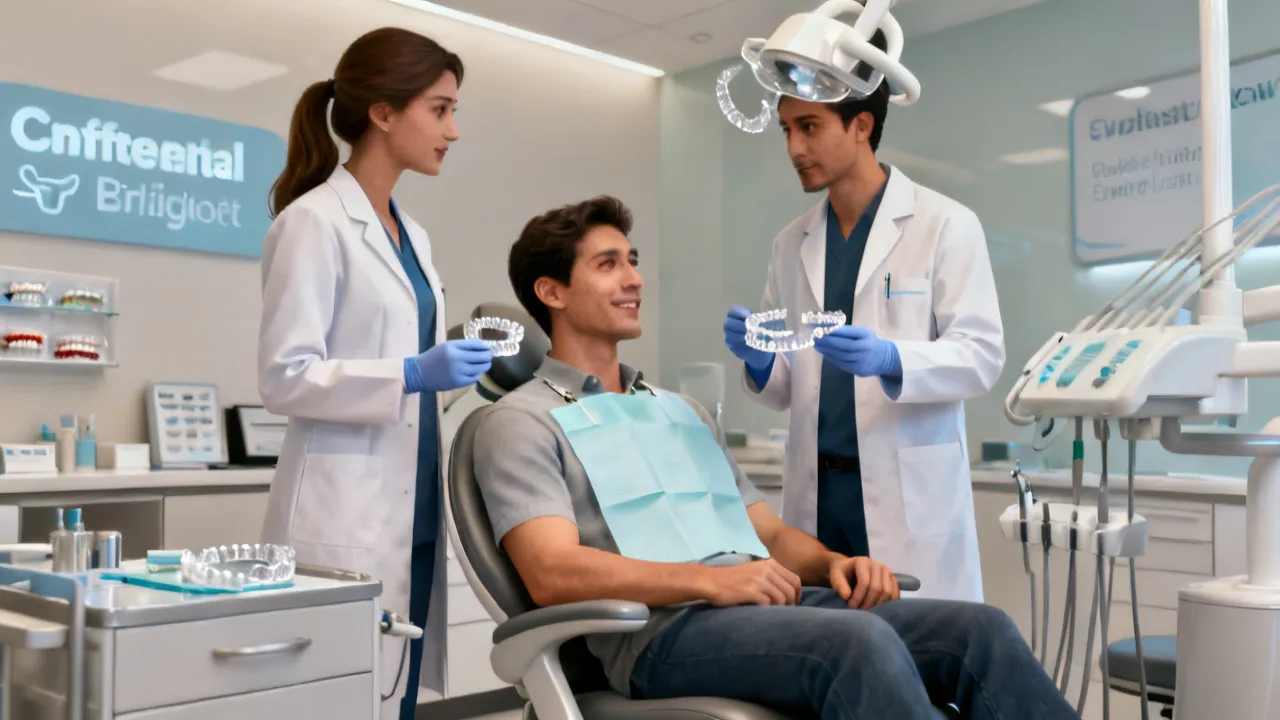
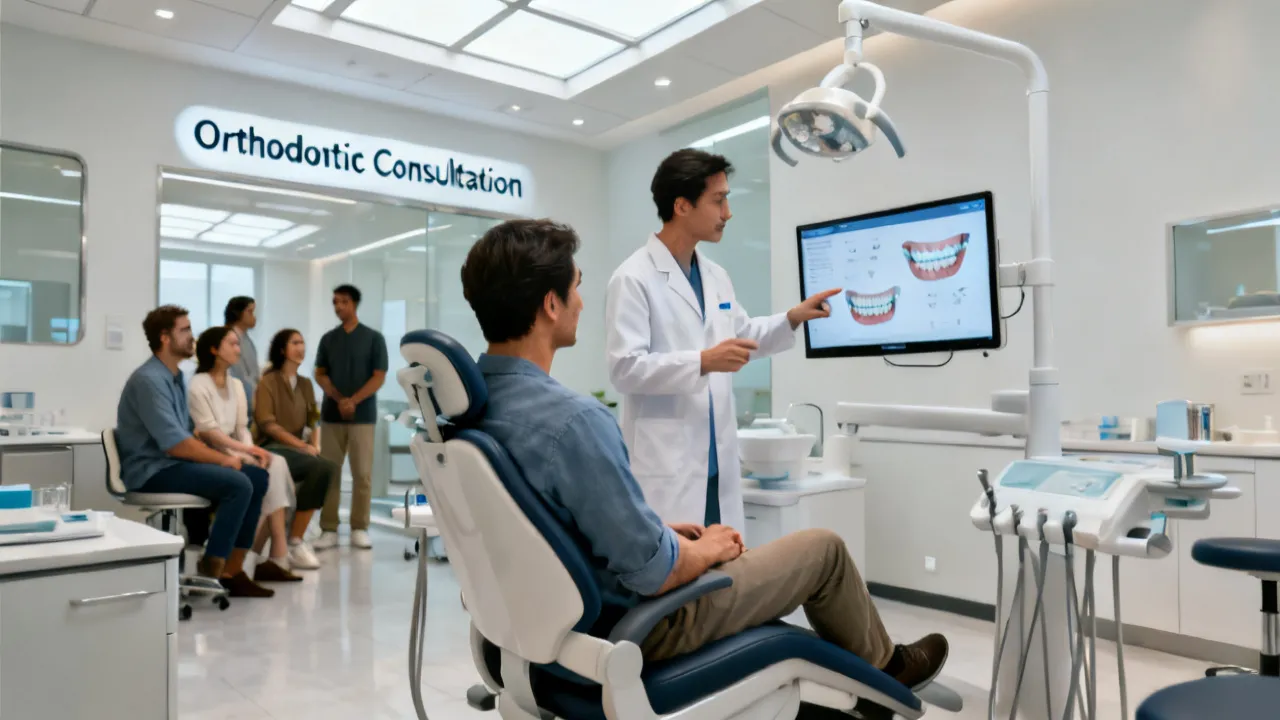
This guide explains how to choose an orthodontist for adults nearby, what to expect from adult orthodontic care, and how dental implant planning can intersect with alignment goals. It also reviews low-cost information sources, provides country-based cost reference ranges, and outlines step-by-step pathways for cost-conscious patients across multiple language regions—using objective, source-linked details.
This guide explains what to expect when searching for an Orthodontist for Adults Near Me, including evaluation steps, treatment pathways, and practical ways to manage expenses. It also reviews how dental implant pricing differs by country and how low-cost information is typically sourced. The goal is objective, patient-centered decision support.

This guide explains how to find an Orthodontist for Adults Near Me, what adult orthodontic treatment typically involves, and how implant planning intersects with orthodontics for stable bite and alignment. It also reviews low-cost dental implant options across English-, Spanish-, and Portuguese-speaking regions, includes cost ranges and step-by-step guidance, and ends with a clear disclaimer.
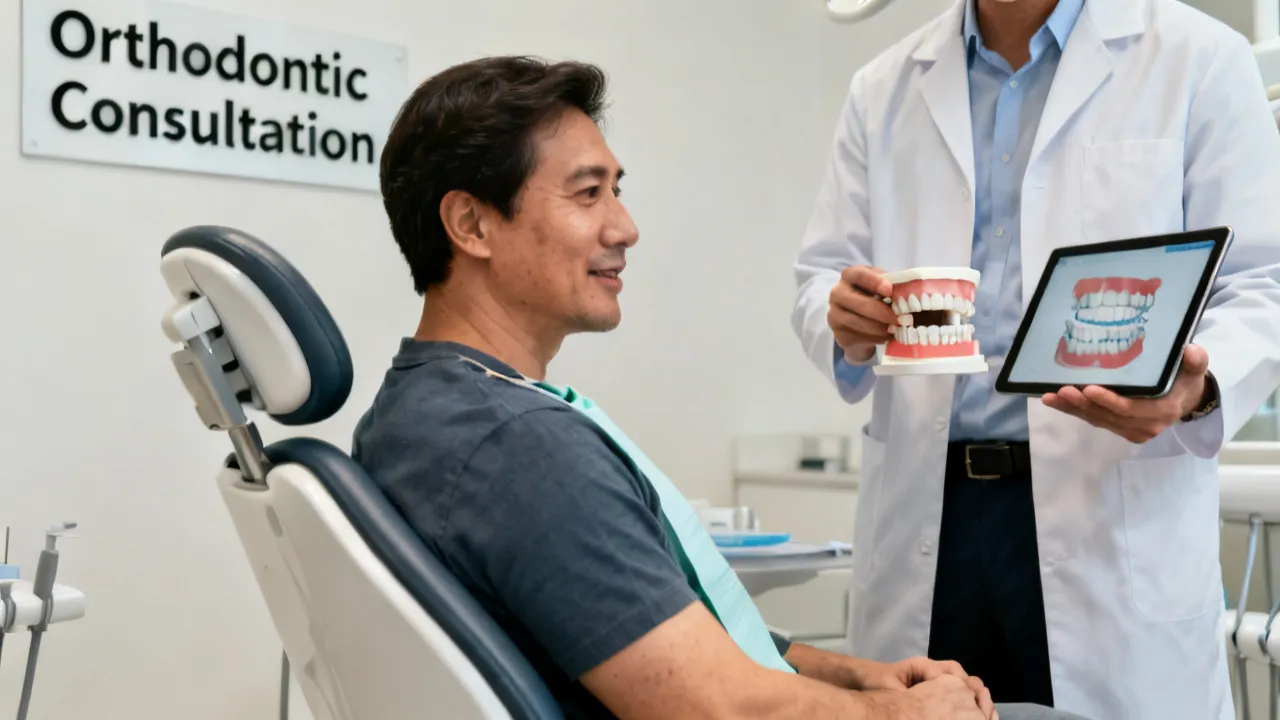
This guide explains how to choose an Orthodontist for Adults Near Me, what adult orthodontic care involves, and how dental implant pricing may affect your overall plan. It also compares online resources on low-cost implants, outlines a step-by-step approach used across English-, Spanish-, and Portuguese-speaking regions, and provides practical cost ranges for implant procedures.
This guide explains how to choose an orthodontist for adults nearby, what to expect during diagnosis and treatment planning, and how adults can manage the financial side of care—especially when considering implant-supported solutions. It also reviews how major dental information and insurance resources describe costs and planning steps across English-, Spanish-, and Portuguese-speaking regions.
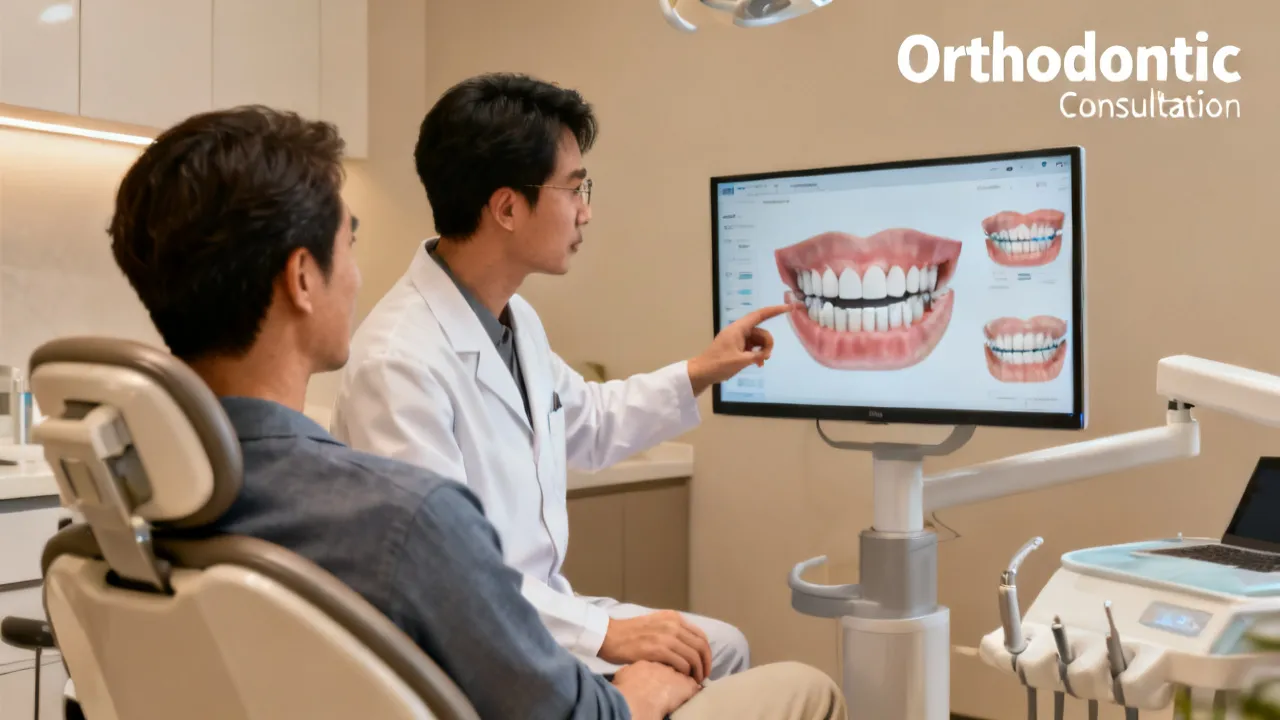
This guide explains how to find an orthodontist for adults nearby and what to expect from adult orthodontic care—timelines, appliance options, and planning criteria. It also compares how low-cost dental implant information is commonly presented online, outlines practical steps to reduce costs in English-speaking and other regions, and summarizes typical single-implant price ranges by country for reference.
This guide helps you find dental orthodontics near me with an objective approach to treatment planning, costs, and how dental implants may fit alongside orthodontics. It explains what to expect from consultations, common orthodontic pathways, insurance and financing considerations, and practical steps for obtaining low-cost dental implants in English-, Spanish-, and Portuguese-speaking countries.
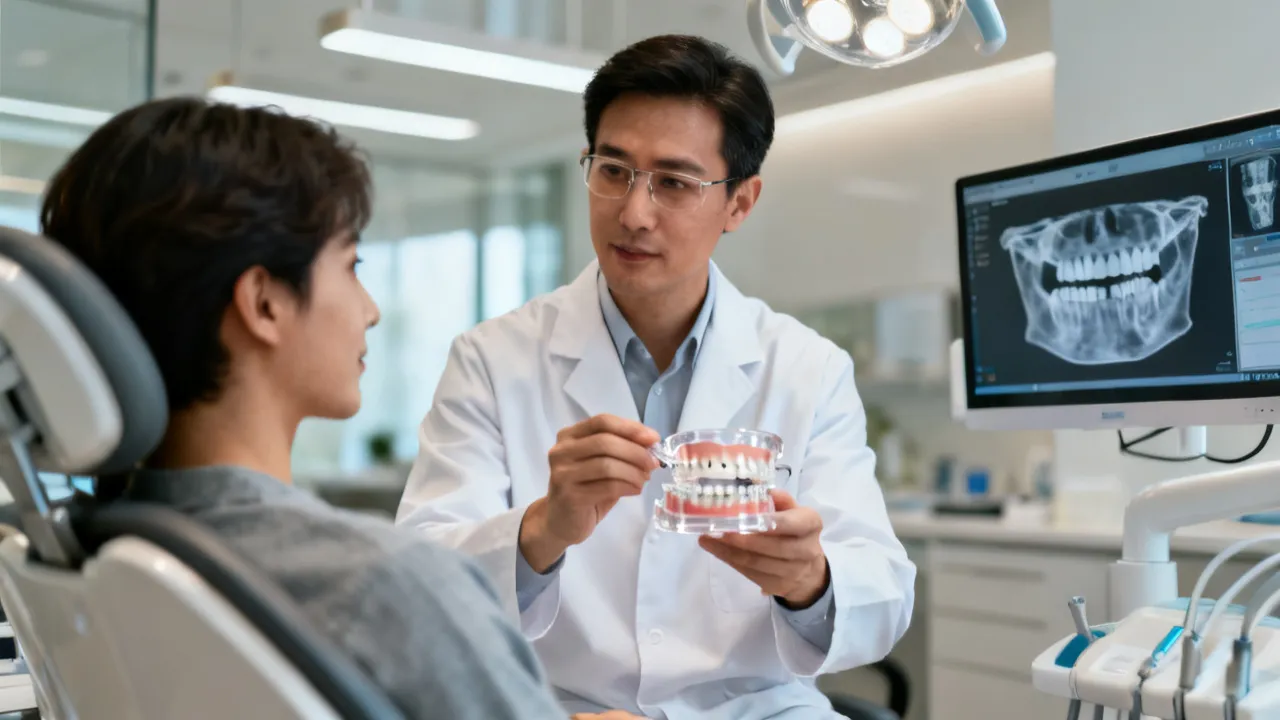
This guide explains how to choose reliable dental orthodontics nearby, with a focus on affordability, treatment planning, and implant-related considerations. It provides an objective overview of orthodontic options, cost factors, and safety checkpoints across English-, Spanish-, and Portuguese-speaking countries. You’ll also find cost references for dental implants by country, plus FAQs to help you plan next steps responsibly.