This guide helps you choose an orthodontist for adults nearby, explaining how adult braces and aligners are planned, what to expect at consultations, and how dental implant affordability can be assessed alongside orthodontics. It also reviews low-cost implant information sources, typical implant pricing ranges across countries, and practical steps to reduce costs while maintaining quality and safety.
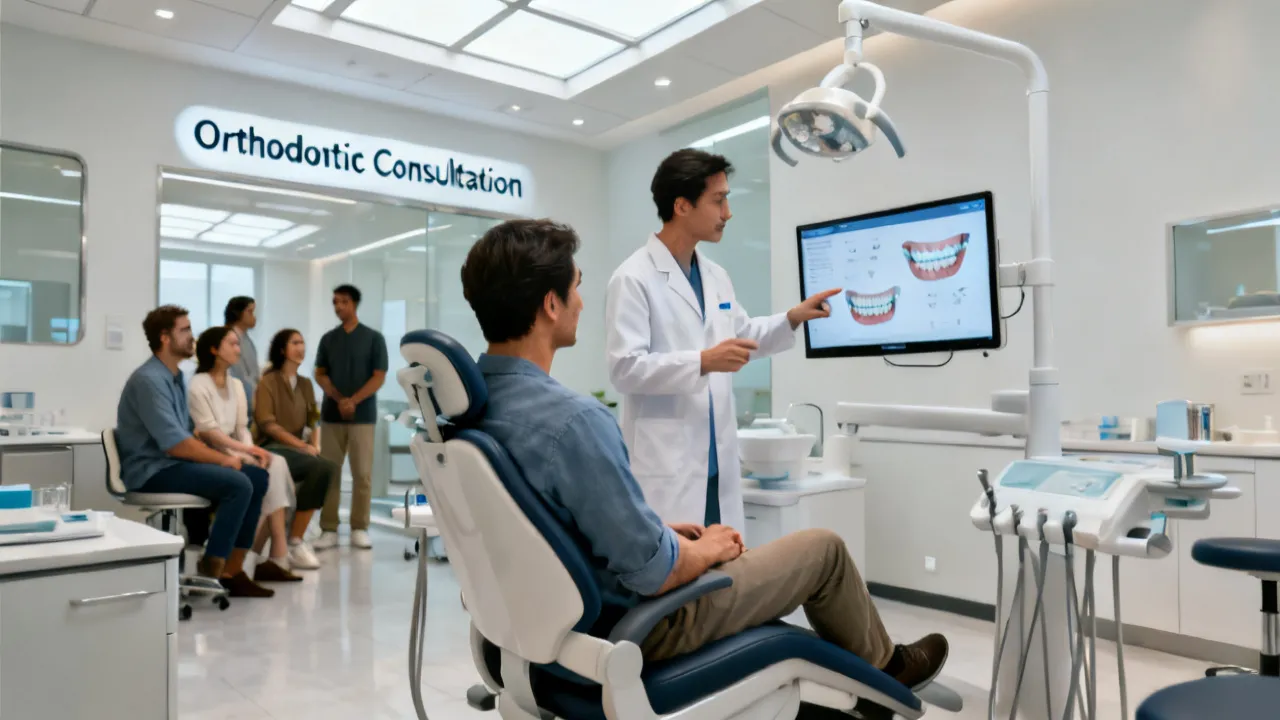
Searching for an Orthodontist for Adults Near Me is more than a convenience check—it usually reflects a real clinical need. Adults don’t always “age out” of orthodontics; many simply put it off until life circumstances, budget, or access improve. When an adult finally starts looking, the motivation is typically specific and personal: bite misalignment that affects chewing, spacing that bothers speech or appearance, retained teeth that are shifting out of position, erupting teeth in adulthood, or a desire to fine-tune aesthetics without compromising gum health. Adults may also have functional concerns like jaw discomfort, difficulty getting teeth to meet comfortably, or awareness of grinding and clenching habits that orthodontics can sometimes influence through occlusion changes.
Unlike many adolescent patients, adult orthodontic candidates often present with a much more complex dental history. They may have crowns, bridges, implants, root canal-treated teeth, fillings of various types, periodontal recession, tooth wear from clenching, or previously treated orthodontic segments that need refinement. They might also have dental crowding that worsened after earlier tooth loss, or spaces created by extracted teeth. This history shapes treatment planning. A competent adult orthodontist must consider not only how teeth move, but how those movements interact with existing restorations, the health of the supporting bone, and long-term stability.
From an industry perspective, the top adult orthodontic outcomes depend on coordinated care and adult-appropriate mechanics. That coordination includes a precise diagnostic workflow (records, model/scan analysis, radiographs), evidence-based appliance selection (braces, clear aligners, or hybrid approaches), and—when relevant—coordination with implant dentistry and restorative dentistry. In practical terms, choosing a nearby provider can improve continuity. Adults may have fewer “emergency” visits than children, but they typically need consistent appointments for monitoring, adjustments, refinements, and retention checks. Even seemingly small issues like a bonding failure or a retention fit problem can affect final outcomes if they are delayed or handled by the wrong team.
When you search locally, you’re also often looking for something less visible: a practice culture that understands adult schedules, adult hygiene realities, and adult expectations around discretion, comfort, and professionalism. The best “adult orthodontist near me” isn’t necessarily the one with the most marketing. It is usually the one with an adult-friendly workflow, thorough diagnosis, and an approach to retention that is treated as essential rather than optional.
Adult orthodontics is commonly misunderstood as “the same treatment as teen braces,” just for older patients. In reality, adult care is shaped by biology and existing oral conditions. Adults may require orthodontics not because their teeth are still growing, but because their alignment problems now interact with periodontal status, restorative dentistry, and long-term stability. When you’re deciding on an Orthodontist for Adults Near Me, the clinic’s ability to handle adult-specific factors matters as much as the type of appliance.
Consider whether the adult orthodontic program addresses the following categories:
A well-run adult orthodontic practice treats the first visit as a structured diagnostic process rather than a quick sales consultation. Protocols vary by country and clinic, but an expert-led consultation generally has several layers. For adults, the consult is also where trust is built: you’re evaluating whether the clinic understands how your dental history fits into a safe, stable plan.
A thorough consult typically includes:
One subtle but important sign of quality is whether the clinic treats retention as a core part of the treatment plan. Adults are usually more aware of long-term outcomes and less willing to accept “good enough” stability without a structured retention strategy.
When adults search for an Orthodontist for Adults Near Me, they frequently ask: “Do I need braces, or are clear aligners enough?” It’s tempting to frame it as braces are for complex cases and aligners are for cosmetic cases. In reality, the selection is case-by-case, driven by diagnosis, movement mechanics, and retention planning.
Braces may be favored when:
Clear aligners may be favored when:
In both approaches, the critical factor is diagnosis quality and retention planning. For adults, long-term stability depends on how well the orthodontist anticipates relapse risks and how they design retention around your teeth, periodontal status, bite scheme, and wear patterns. The appliance itself is only part of the story; the “system” is what matters: planning, execution, monitoring, and retention.
Adults commonly ask whether orthodontics can be coordinated with tooth replacement. In many real-world scenarios, an orthodontic pathway might include preparatory alignment and space management before implant placement, or it might incorporate implants into the final occlusion plan and adjust orthodontic mechanics accordingly.
Common ways implants and orthodontics intersect include:
Because implant treatment costs can be a major concern, adult patients often research “low-cost dental implants” alongside orthodontics. Affordability is important, but expert care should emphasize that “low cost” should be pursued through transparent pricing, appropriate material selection, and clinical competence—not through shortcuts that compromise safety or long-term outcomes.
A reputable adult orthodontic clinic should be able to explain the “why” behind sequencing and the clinical rationale behind any cost-related decisions. If you’re told a plan is cheap, you should also be told what trade-offs exist—if any—and what the clinic is doing to mitigate risk.
| Website theme (low-cost dental implants info) |
|---|
| Dentaviews-style informational content on low-cost implant options, including factors that influence cost and a structured look at procedures and FAQs. |
| Regional dental clinic information pages that explain implants and orthodontics within a broader service catalog, often emphasizing scheduling and patient guidance. |
| Dental tourism platforms that compare treatment costs across countries and provide planning considerations for international care. |
| Dental insurance or benefits resources that clarify coverage options and how insurance may offset implant-related expenses. |
Sources:
source: [www.dentalviews.com](https://dentalviews.com/low-cost-dental-implants/)
source: [www.atlanticdentalgrp.com](https://www.atlanticdentalgrp.com/)
source: [www.dentavacation.com](https://www.dentavacation.com/)
source: [rockvilledentalarts.com](https://rockvilledentalarts.com/es/)
Even if your immediate goal is to find an Orthodontist for Adults Near Me, it’s useful to understand how adult patients often explore low-cost implant research in different language communities. Cost, access, and appointment wait times vary by region, so many patients look for affordable pathways—sometimes locally, sometimes internationally.
Below is a practical, step-by-step overview of how patients often obtain implants at lower cost in English-speaking countries and in Spanish- and Portuguese-speaking contexts. While the language and resources differ, the underlying decision principles tend to be similar: clarify the full scope of treatment, verify clinical eligibility, and compare total outcomes rather than just an advertised price.
If you need braces or aligners as well as an implant, ask whether your orthodontist works in-house with (or refers to) implant specialists. In adult care, sequencing matters because the final bite position influences implant placement and the final prosthetic outcome.
“Low-cost” claims should be clarified: Are there separate fees for imaging, surgical components, abutments, crowns/prosthetics, and follow-ups? A transparent quote helps you compare apples-to-apples. If you can only see a single number but cannot see what it includes, you don’t yet have enough information to judge value.
Not every situation is suitable for a single “low-cost” option. Bone volume, periodontal health, occlusion planning, smoking status, and medical factors influence the implant approach. You may need additional procedures such as bone grafting, sinus considerations, or soft tissue management to support long-term results.
Patient-facing educational resources (for example, implant cost and procedure explainers) can help you identify the categories that typically shift price. Learning what counts as part of “total care” can make your comparisons more accurate.
Low-cost approaches may differ by diagnostic workflow, implant system selection, prosthetic design, imaging technology, and postoperative protocols. Ask what quality controls are used: How do they verify bone readiness? What follow-up imaging or clinical checks occur? How is maintenance scheduled?
In some cases, dental coverage can reduce out-of-pocket expenses for implant-related components. A clinic’s administrative team can often explain coverage pathways and help you identify what requires pre-authorization.
If you’re exploring international options (commonly via dental tourism platforms), ensure the provider can manage follow-up care and that documentation (treatment plan, materials, timeline) is available in advance. Also confirm whether emergency complications can be addressed after you return home, and whether your local dentist will collaborate with the implant team.
Implants require good monitoring. When choosing “affordable” care, ensure maintenance and complications management are realistically accessible. Ask about recommended recall frequency, cleaning protocols, and what happens if discomfort or inflammation develops between visits.
Orthodontic movement can affect gum inflammation if hygiene becomes inconsistent. Your dental team should integrate preventive care so implant sites and orthodontic attachments are protected. Adults with recession or a history of periodontal issues benefit from periodontal co-management and hygiene coaching.
The following ranges are intended for single-tooth implant references and help contextualize affordability discussions. Actual costs vary based on clinical complexity, imaging needs, implant system selection, prosthetic type, and whether additional procedures (such as bone grafting) are required.
Also remember that orthodontics may be an additional cost and may be timed before or after implant placement. Adults sometimes underestimate total treatment value because they only compare implant prices without factoring in the orthodontic work required to achieve a stable final bite.
| Country | Currency | Price range (single implant) |
|---|---|---|
| United States | USD | $3,000 - $6,000 |
| United Kingdom | GBP | £2,000 - £2,500 |
| Australia | AUD | AU$3,500 - AU$6,500 |
| Canada | CAD | CA$3,000 - CA$5,500 |
| Spain | EUR | €1,500 - €2,500 |
| Chile | CLP | CLP$800,000 - CLP$1,500,000 |
| Mexico | MXN | $15,000 - $25,000 |
| Colombia | COP | $2,000,000 - $4,000,000 |
| Peru | PEN | S/ 3,000 - S/ 6,000 |
| Argentina | ARS | $80,000 - $150,000 |
| Brazil | BRL | R$3,000 - R$8,000 |
| Portugal | EUR | €1,000 - €2,000 |
| Germany | EUR | €2,000 - €3,500 |
| France | EUR | €1,500 - €2,500 |
| Italy | EUR | €1,500 - €3,000 |
| Japan | JPY | ¥300,000 - ¥700,000 |
If you’re trying to select an Orthodontist for Adults Near Me, the practical approach is to prepare targeted questions. Adult care differs because you’re not only choosing an appliance—you’re choosing an adult-care workflow, accountability for outcomes, and a retention strategy that fits your long-term life.
When you call or email, your questions shouldn’t sound like an interrogation; they should sound like you’re evaluating fit and process. Quality clinics typically welcome this because it reflects informed patient expectations.
Adult orthodontics often reflects higher complexity rather than simply higher age. Treatment planning may require enhanced imaging, periodontal monitoring, more meticulous bonding strategies, and sometimes multidisciplinary care. Adults may need restorative collaboration because of crowns or bridges that must harmonize with the new bite. Some adults also require careful torque control or space management where the final occlusal relationship must be engineered precisely.
While costs vary widely, the logic is consistent across many regions: orthodontic work in adults can involve additional diagnostic steps and coordination with restorative or implant dentistry. In addition, adults often need more careful time planning and may require more detailed retention protocols due to the longer duration teeth have been in their current positions.
For many patients, affordability becomes a combination of factors: transparent pricing, insurance planning where available, and careful selection of a clinic whose adult workflow matches the clinical complexity of the case. Sometimes “less expensive” clinics can be more expensive in the long run if the patient later needs refinements, retention adjustments, or restorative corrections.
Beyond the basics, adult orthodontics includes additional realities that can affect your experience and your final outcome. Understanding these realities before you start can reduce stress and help you choose a clinic that matches your goals.
Adults may have existing enamel wear, previous fillings, or minor decalcification spots that weren’t as clinically visible during earlier dental years. During orthodontics—especially with fixed appliances—bonding and hygiene require careful attention. A great adult orthodontist should discuss what you can do to protect enamel, including fluoride protocols, cleaning strategy, and how to manage attachment hygiene. For aligners, they should also discuss wear time and how food and drinks can affect hygiene, particularly if aligners are removed frequently.
If you’ve had white spot lesions in the past or you’re at higher risk for cavities, ask how the clinic adjusts its preventive plan. This may include extra fluoride exposure, more frequent hygiene checks, or guidance on managing “sticky” foods and sugary drinks.
Many adult orthodontic concerns are periodontal in nature. If a tooth has already moved near the limits of the gums, orthodontic movement may increase risk for recession or expose roots. A high-quality clinic addresses this by evaluating tissue thickness and periodontal support. Sometimes periodontal stabilization is needed before active orthodontics. In other cases, movement may be modified to keep the tooth within a safer zone.
This is one reason why selecting an Orthodontist for Adults Near Me should be about more than proximity. You want someone who will take the time to evaluate whether movement is safe—not just whether it is possible.
Adults are more likely to have tooth wear patterns from bruxism or clenching. Orthodontics can change tooth position and occlusion, which can influence bite forces. However, if bruxism continues unchecked, it can stress orthodontic attachments and retention. Some adult orthodontic cases benefit from a combined plan that may include a night guard or coordination with a dentist managing jaw muscle symptoms and wear.
A good consult will include questions about morning jaw soreness, clicking, tooth sensitivity, and wear facets. It will explain whether orthodontics is expected to reduce symptoms or whether separate management is needed.
Retention is frequently discussed as if it ends at appliance removal. For adults, retention is often the difference between success and relapse. The relapse risk can be influenced by crowding tendencies, periodontal support, previous orthodontic history, and the type of bite that results after treatment.
Ask specifically what your retention plan involves: retainers for upper and lower arches, wear schedules, and what happens long-term. Many adults need periodic retention check-ins. Some clinics also offer flexible refinement options if minor shifting occurs later.
Clear aligners can be very effective in adult dentistry, but the real-life factors matter. Alignment success depends on wearing aligners for the recommended number of hours per day, using them consistently, and attending refinement appointments when the plan is updated. Adults often remove aligners for work events, meals, coffee habits, and travel—then struggle to meet wear targets.
A clinic that is honest about this will discuss how aligner wear affects outcomes. It should provide practical guidance: how to handle daily routines, what to do when an aligner feels too tight, how to manage attachments, and how to handle missed refinements.
Also ask about the clinic’s refinement policy. Some companies charge extra for refinements. Others include them within a certain number of iterations. If you’re paying adult-level prices, you should understand the scope of “final” treatment.
Braces for adults can be comfortable, but your lifestyle matters. Adults may worry about appearance, professional impressions, dietary restrictions, and how they’ll handle adjustments around busy months. A good adult orthodontist will discuss these realities upfront. They may also discuss aesthetic alternatives like ceramic brackets, self-ligating systems, or less visible wiring approaches depending on your case.
Comfort is another issue. Adults typically have less tolerance for appliance irritation than they did at 15. Ask how the clinic handles initial soreness, how quickly they expect to see adaptation, and what you can do in the first days after adjustments.
One of the biggest signals of quality in adult orthodontics is multidisciplinary collaboration. Some adult problems cannot be solved with orthodontics alone. For example, if you have missing teeth, gum recession, or existing restorations that do not match the planned final bite, you may need restorative dentistry during the orthodontic timeline.
Similarly, if you have active periodontal issues, you may need periodontal treatment first. This doesn’t mean you can’t get orthodontics; it means your orthodontics will be planned around stability and tissue health. Adult orthodontists who are good communicators can coordinate between departments and explain the sequence clearly.
Adult patients often plan orthodontics around work deadlines, insurance cycles, family events, and travel. A high-quality clinic can help you make realistic timing decisions. Before you commit, ask:
These questions prevent frustration later and help you choose a clinic that respects adult life.
Because many clinics market “adult braces” or “adult aligners,” it can be hard to differentiate. You can use a few evidence-like checks to evaluate quality:
A clinic that can’t explain its process is often one that can’t be trusted with adult complexity. Adults need predictability, and predictability comes from planning.
When you search for an Orthodontist for Adults Near Me, it’s reasonable to consider regional clinic norms: appointment scheduling patterns, insurance administration practices, and common referral workflows. In multilingual communities, patient-friendly communication can also influence outcomes—for example, clinics with Spanish-language resources for implant and orthodontic services may provide clearer guidance for care planning and follow-up instructions. For Portuguese-speaking patients, localized information and service familiarity can similarly reduce friction in treatment coordination.
It also helps to consider what adult care looks like in your area: Are there many orthodontists who specialize in adult cases? Are periodontists and implant providers available locally for coordinated sequencing? If you can receive follow-up care without travel and have a clinic that can coordinate, you reduce the risk of delays and miscommunication—two common issues that can compromise results.
Ultimately, the best match is the clinic that aligns adult clinical complexity with a transparent process: diagnosis quality, retention planning, coordinated sequencing (especially if implants are planned), and a cost breakdown you can understand.
Look for a clinic that treats adult-specific needs: periodontal screening, careful occlusion analysis, and a retention plan. Ask who performs treatment planning, what records are required, and how they handle cases involving crowns, implants, or prior dental work. You can also evaluate whether they collaborate with periodontics or restorative dentistry when needed.
Many adult cases are suitable for aligners, but suitability depends on movement complexity, root positioning considerations, and retention design. The key is whether the orthodontist can predict tooth movement safely and build a stable good occlusion plan. Ask about attachments, refinements, and what the clinic considers “predictable” for your particular bite.
Orthodontics can affect timing and space management around missing teeth. If implants are part of your treatment plan, ask for coordinated sequencing with an implant dentist so that implant placement occurs in the right position within the final bite. Also ask how the clinic handles occlusion planning once the implant is present.
Typically it refers to a lower total price relative to some benchmarks. However, “low cost” can vary by what’s included (imaging, surgery, prosthetics, follow-up) and by whether additional procedures are needed. Always request a written cost breakdown and clarify what is included in “the implant price.”
Yes—often by comparing complete treatment quotes, verifying materials and protocols, checking eligibility, using insurance/benefits where available, and ensuring that follow-up care is accessible. Safety depends on clinical appropriateness and competence, not only on price. Ask what happens in complications and how aftercare is delivered.
Dental tourism can lower costs when labor and treatment charges are lower in destination regions. Still, it requires careful planning: comprehensive treatment documentation, a realistic timeline, and arrangements for postoperative monitoring and complications management. Confirm whether your home dentist will assist with follow-up and how records will be transferred.
Common risks include enamel decalcification if hygiene is inconsistent, gum inflammation, and the need for careful root position control. Adults should also consider functional bite issues and the long-term commitment to retention. If you have recession, periodontal history, or tooth wear, discuss how those factors change the risk profile.
Not always. Some cases benefit from orthodontic space management before implants, while others may require implant placement first. The correct sequence is case-specific and depends on bite goals, available bone, the desired final occlusion, and whether adjacent teeth can be moved without compromising periodontal support.
1) The above information comes from online resources, and the data is as of October 2023. 2) Dental implant prices are for reference only and may vary by region, clinic and doctor.
https://dentalviews.com/low-cost-dental-implants/
https://www.atlanticdentalgrp.com/
https://www.dentavacation.com/
https://rockvilledentalarts.com/es/
This guide explains how to choose an orthodontist for adults nearby, what to expect from adult orthodontic care, and how dental implant planning can intersect with alignment goals. It also reviews low-cost information sources, provides country-based cost reference ranges, and outlines step-by-step pathways for cost-conscious patients across multiple language regions—using objective, source-linked details.
This guide explains what to expect when searching for an Orthodontist for Adults Near Me, including evaluation steps, treatment pathways, and practical ways to manage expenses. It also reviews how dental implant pricing differs by country and how low-cost information is typically sourced. The goal is objective, patient-centered decision support.

This guide explains how to find an Orthodontist for Adults Near Me, what adult orthodontic treatment typically involves, and how implant planning intersects with orthodontics for stable bite and alignment. It also reviews low-cost dental implant options across English-, Spanish-, and Portuguese-speaking regions, includes cost ranges and step-by-step guidance, and ends with a clear disclaimer.
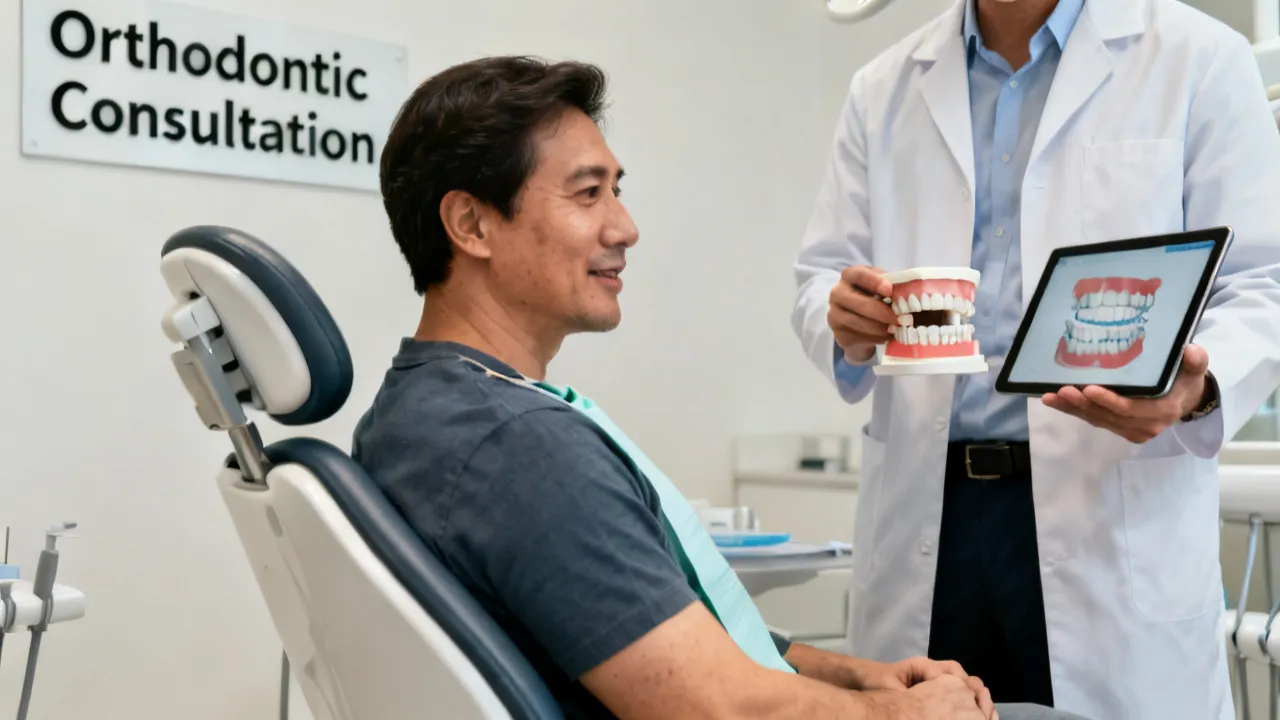
This guide explains how to choose an Orthodontist for Adults Near Me, what adult orthodontic care involves, and how dental implant pricing may affect your overall plan. It also compares online resources on low-cost implants, outlines a step-by-step approach used across English-, Spanish-, and Portuguese-speaking regions, and provides practical cost ranges for implant procedures.
This guide explains how to choose an orthodontist for adults nearby, what to expect during diagnosis and treatment planning, and how adults can manage the financial side of care—especially when considering implant-supported solutions. It also reviews how major dental information and insurance resources describe costs and planning steps across English-, Spanish-, and Portuguese-speaking regions.
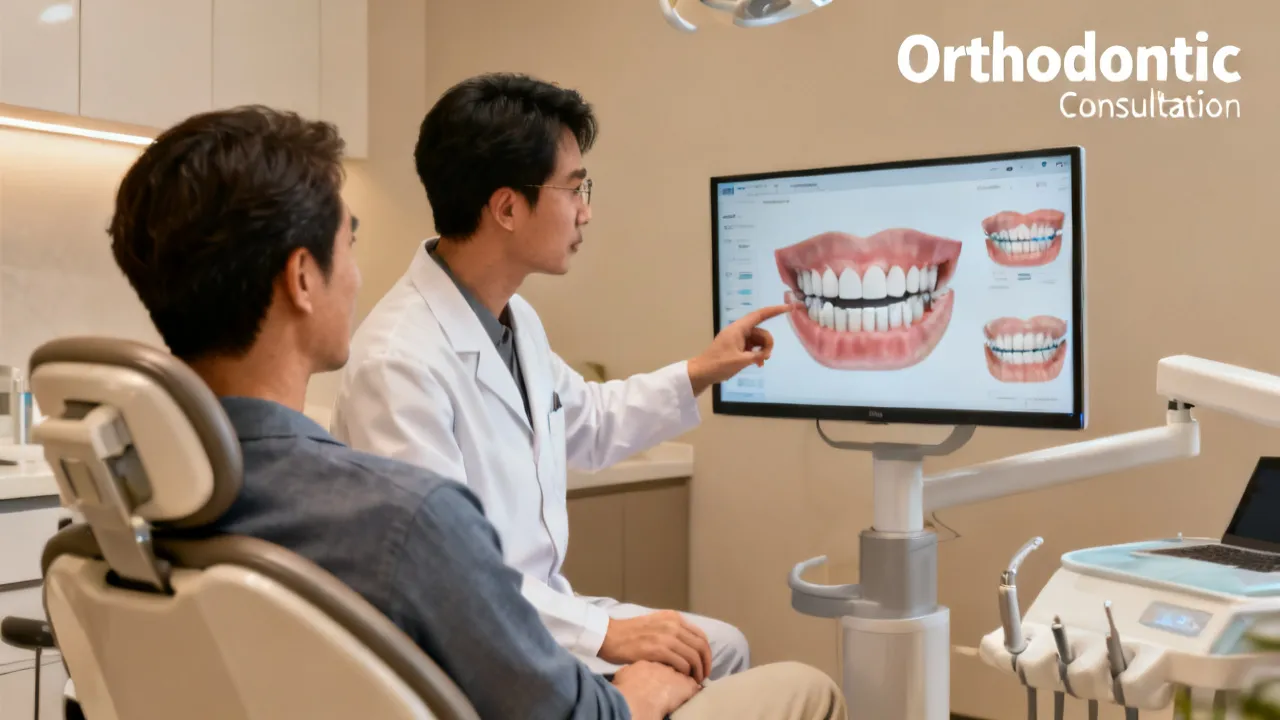
This guide explains how to find an orthodontist for adults nearby and what to expect from adult orthodontic care—timelines, appliance options, and planning criteria. It also compares how low-cost dental implant information is commonly presented online, outlines practical steps to reduce costs in English-speaking and other regions, and summarizes typical single-implant price ranges by country for reference.
This guide helps you find dental orthodontics near me with an objective approach to treatment planning, costs, and how dental implants may fit alongside orthodontics. It explains what to expect from consultations, common orthodontic pathways, insurance and financing considerations, and practical steps for obtaining low-cost dental implants in English-, Spanish-, and Portuguese-speaking countries.
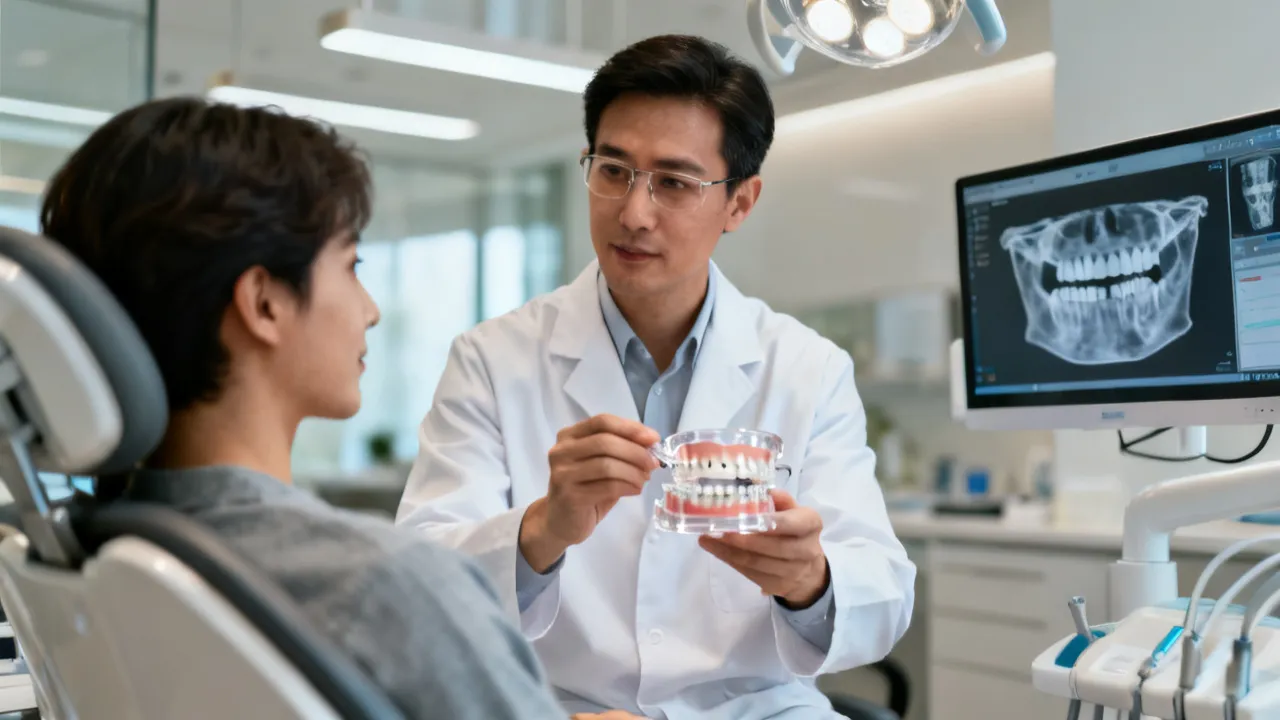
This guide explains how to choose reliable dental orthodontics nearby, with a focus on affordability, treatment planning, and implant-related considerations. It provides an objective overview of orthodontic options, cost factors, and safety checkpoints across English-, Spanish-, and Portuguese-speaking countries. You’ll also find cost references for dental implants by country, plus FAQs to help you plan next steps responsibly.