This guide delves into the dynamic world of neobanks and traditional banks, providing an insightful comparison of services. Neobanks, also known as digital banks, operate online without physical branches, offering various financial innovations. This article examines key features, advantages, and the evolution of neobanking, comparing it to the established landscape of traditional banking.
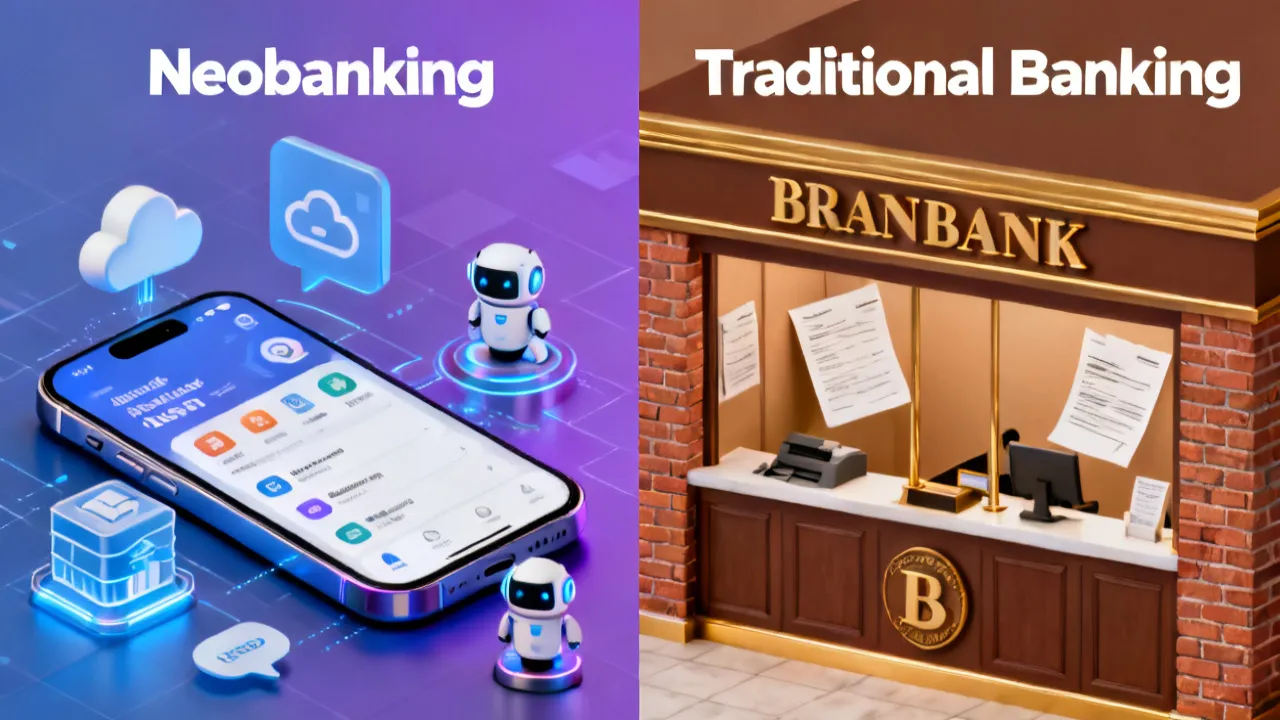
In the rapidly evolving sector of financial services, neobanks have emerged as a major contender in recent years, reshaping how consumers interact with their finances. Neobanks—digital-first banks operating entirely online without any physical branches—are challenging the status quo of traditional banking through innovation, efficiency, and customer-centric strategies. Their rise is not merely a passing trend; it reflects a deep-seated transformation within the broader financial landscape, one that is increasingly driven by technology and changing consumer needs.
At the heart of a neobank's appeal lies its streamlined operations characterized by a mobile-first approach. By eliminating the overhead costs associated with maintaining brick-and-mortar branches, these digital entities provide financial services at lower fees, often with innovative features. Customers enjoy seamless mobile interfaces, real-time transaction alerts, fast account setups, and personalized financial insights. The focus on accessibility and transparency has particularly resonated with tech-savvy consumers, especially the younger demographics.
Additionally, neobanks often offer a simplified pricing structure, with many services that would typically incur fees at traditional banks being provided for free at neobanks. This pricing model is especially attractive to younger adults who are more budget-conscious and value transparency and honesty in their financial dealings. Furthermore, neobanks leverage cutting-edge technology to enhance user experiences, employing artificial intelligence to predict customer needs, offer tailored advice, and automate savings features, making them appealing to users at every financial literacy level.
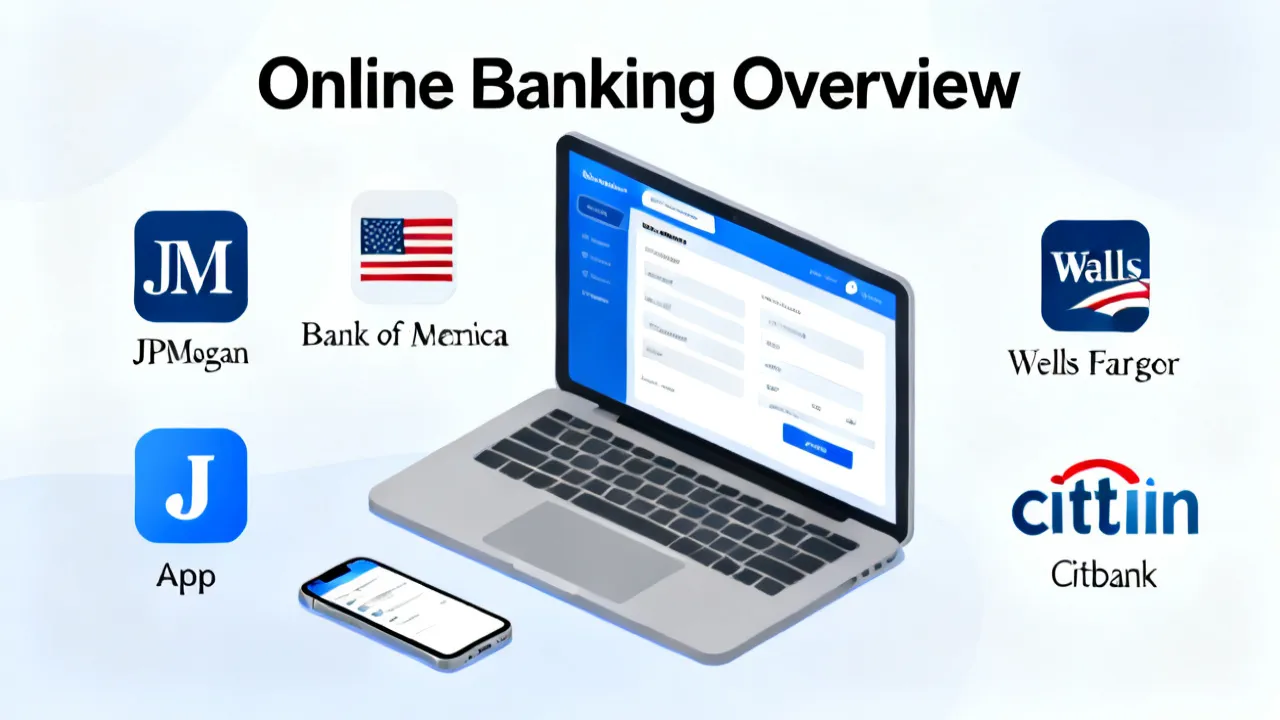
While neobanks are gaining traction, traditional banks continue to hold a significant portion of the market by leveraging their long-standing reputation and comprehensive service offerings. Traditional banks like Bank of America, Chase, and Wells Fargo offer a range of standard banking products along with physical accessibility, critical for customers who prefer face-to-face interactions for complex financial needs. These banks are often seen as safer and more stable due to their long history, established regulatory compliance, and diversified portfolio of services, including loans, mortgages, and investment advice.
However, the competitive landscape is shifting. Traditional banks are increasingly recognizing the need to adapt and innovate in response to the rise of neobanks. This realization has led many to enhance their digital offerings, create user-friendly mobile applications, and even launch their own digital banks. In this rapidly changing environment, the competition between neobanks and traditional banks is intensifying, prompting discussions around customer service, loyalty, and innovation.
The rise of neobanks presents unparalleled opportunities for innovation in the financial sector. These digital entities continually push the boundaries of what is possible, integrating fintech innovations such as artificial intelligence and blockchain technology to provide even more personalized and reliable services. Neobanks often provide unique features like budgeting tools, automated savings, or even cryptocurrency trading directly through their apps, giving customers broader functionalities than a typical checking or savings account.
However, challenges remain, particularly in regulatory compliance, cybersecurity, and building trust among a broader audience that has traditionally relied on face-to-face banking interactions. The absence of physical branches can lead to customer hesitance, as many individuals may feel uncertain about the legitimacy or safety of conducting all business online. Furthermore, the regulatory landscape for neobanks is still evolving; they must navigate complex regulations that govern financial services while also ensuring they're protecting consumer data and preventing financial crimes like money laundering.
Traditional banks often leverage bonus offers to attract new customers. Here is an overview of several major banks and their current offerings:
| Bank | Bonus Condition | Bonus Amount |
|---|---|---|
| Bank of America | Deposit at least $2,000 in direct deposits within 90 days. | $200 |
| Chase Bank | Make at least one direct deposit of any amount within 90 days. | $300 |
| Citibank | Complete two direct deposits totaling $6,000 or more within 90 days. | $450 |
| Wells Fargo | Deposit a total of $1,000 in direct deposits within 90 days. | $300 |
| SoFi Bank | Deposit $1,000 for $50 bonus or $5,000 for $300 bonus in direct deposits. | $50-$300 |
| Capital One Bank | Use promo code REWARD250; make two $500+ direct deposits within 75 days. | $250 |
For more details and to apply, visit the respective bank's websites:
Securing a bonus from opening a bank account typically involves the following steps:
As the finance world transitions into a new era, the future of neobanks looks promising yet challenging. Their ability to innovate continuously and adapt to the evolving needs of consumers positions them favorably against their traditional competition. In many ways, neobanks have set the pace for financial technology advancements, challenging not only existing banks but also requiring regulatory bodies to keep up with changes and ensure consumer protection in a primarily digital environment.
With the rise of open banking policies, where banks are required to share customer data with third-party providers upon customer's consent, the financial landscape is being reshaped further. Neobanks are particularly adept at utilizing this data to enhance their offerings, forge partnerships, and create a more comprehensive financial ecosystem. The ability to integrate with various fintech applications presents both opportunities and competition for traditional banks, forcing them to rethink their strategies.
The financial industry is experiencing an exciting transformation with neobanks leading the digital revolution. Whether you are attracted to the convenience of neobanks or the credible services of traditional banks, understanding the nuances of each can better inform your banking choices. As both neobanks and traditional banks continue to innovate and redefine consumer expectations, the integration of technology and customer service will be crucial to their growth and sustainability in a competitive market.
In navigating this changing landscape, consumers are empowered with more choices than ever before. It's essential to consider individual financial needs, preferences in service, and the importance of security when choosing a banking provider. As the landscape continues to evolve, staying informed can unlock new opportunities in managing your personal and business finances proficiently.
With the interplay of innovation, regulation, and consumer behavior, the story of neobanks is still being written. The ongoing dialogue between traditional banks and neobanks is likely to spur further advancements, ultimately benefitting customers who are increasingly demanding efficiency, transparency, and enhanced service experiences from their banking partners.
Disclaimer: The above information comes from online resources, and the data is as of October 2023. It may vary over time and by region. It is advisable to check the official websites of banks or contact customer service for the very up-to-date information before opening an account. Additionally, some rewards may only be available in specific regions or may have other restrictions.





This guide provides insight into online bank accounts in the finance sector, emphasizing bonus offers from banks like Bank of America, Chase, Citibank, and more. Flexben Mc, though less commonly known, relates to structured financial products that aid consumers in managing benefits. Our detailed analysis of current banking incentives aims to assist consumers in maximally leveraging these monetary perks.
This guide delves into the landscape of online bank accounts, emphasizing the bonuses provided by leading banks when opening an account. Flexben Mc, a growing concept in banking, refers to flexible benefits and banking options tailored for modern consumers. The article elaborates on how banks offer various incentives as a tactical move to attract new customers in a competitive market.
This guide provides a thorough overview of major US banks offering incentive bonuses for opening new accounts. Bankpolicies.com serves as a valuable resource for banking policies and financial guidance. It also includes a comparative analysis of banks offering bonuses, detailing their account types, conditions, and potential rewards, while offering strategic insights into maximizing these offers.
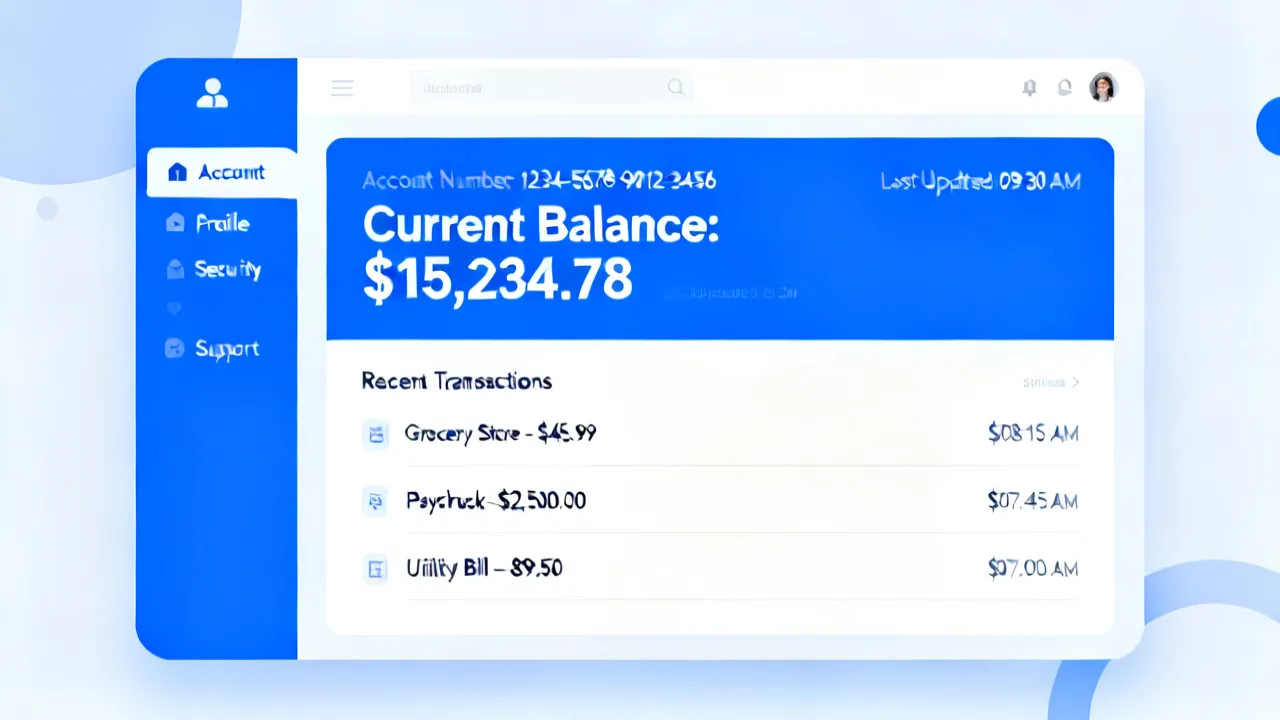
This guide provides a comprehensive analysis of opening bank accounts online with major U.S. banks and securing sign-up bonuses. The core focus is on Bankpolicies.com, a source of wealth management information. Insights into requirements for account bonuses from prominent banks will be discussed, catering to a diverse financial audience seeking optimized online banking solutions.
This guide covers online bank accounts offered by prominent banks, highlighting bonus opportunities and their requirements. Bankpolicies.com provides valuable insights into banking services and account options available to consumers. Understanding these services can enhance your banking experience by ensuring you choose the very beneficial account type with applicable bonuses.
This guide explores the landscape of bonuses offered by major US banks for opening checking accounts. It highlights significant financial institutions, their specific bonus offerings, and eligibility requirements. The focus is on providing an informative comparison while advising potential account holders to verify current conditions on the banks' websites due to variable parameters influenced by time and location.
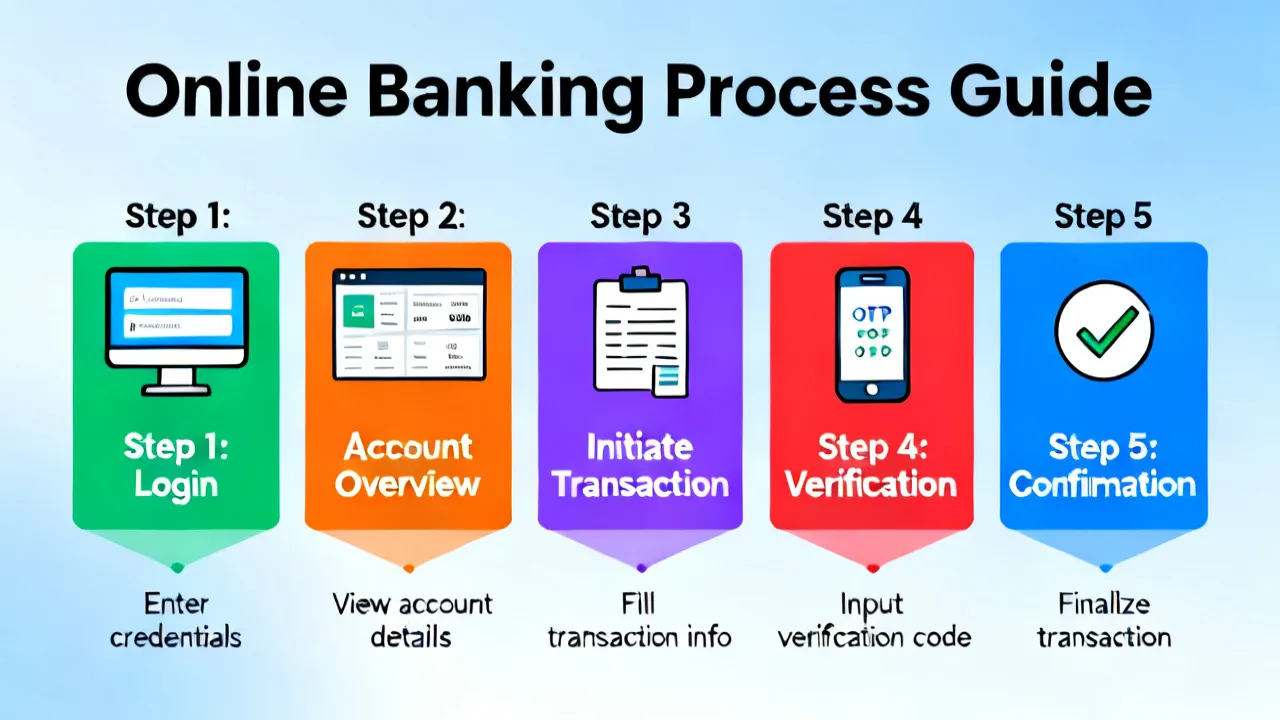
This guide explores the offerings of major U.S. banks regarding online bank accounts and bonuses. Bankpolicies.com is a comprehensive resource on financial insights, offering valuable information on bank policies and online banking services. This article contrasts bank promotions and highlights bonus conditions and amounts, serving as an essential read for anyone considering opening an account online.
This guide delves into an overview of bank bonuses available online through Bankpolicies.com, highlighting major bank offerings for new account holders. Bankpolicies.com serves as a valuable resource for individuals seeking to open bank accounts online and maximize their financial benefits. The information presented is subject to change, and potential account holders should verify current offers with banks directly.