This article delves into the significant contributions made by Heuvel & Bondarouk in 2016 to the field of human resource management. Highlighting their influential work, we explore the impact of digital technologies on HR practices, offering a thorough understanding of their research findings. As technology advances rapidly, their insights remain crucial for modern HR strategies.

In 2016, Heuvel and Bondarouk made a noteworthy contribution to the field of Human Resource Management (HRM) through their exploration of the impacts of digital technologies on HR practices. Their research provided a comprehensive examination of how technological advancements were reshaping the responsibilities, challenges, and strategies within HR departments. This article aims to dissect their study, offering insights into its implications for current and future HR practices.
Heuvel & Bondarouk's 2016 study emphasizes the transformative power of technology in HRM. Advances in digital tools have led to more efficient processes, enhanced data analytics, and new ways of engaging with potential and current employees. According to their research, these technologies not only streamline administrative tasks but also play a critical role in strategic decision-making.
For instance, the implementation of data-driven HR solutions allows companies to make more informed decisions about talent management, succession planning, and performance evaluation. By leveraging big data, organizations can gain deeper insights into employee behaviors, preferences, and potentials, thereby shaping more effective HR strategies. The integration of technologies such as artificial intelligence (AI) and machine learning further refines these processes, enabling HR professionals to predict future workforce trends and behaviors based on historical data.
Moreover, digital platforms facilitate better candidate sourcing through tools that enable targeted outreach and assessment. An example of this could be an organization using applicant tracking systems (ATS) that employ AI algorithms to filter resumes effectively. This not only expedites the recruitment process but also enhances the quality of hires by matching candidates' skills with job specifications more accurately. Such advancements have resulted in HRM becoming more data-centric, impacting areas such as employer branding, recruitment strategies, and employee experience.
Heuvel & Bondarouk's work is distinguished by several key contributions to the discourse on HRM:
The insights provided by Heuvel & Bondarouk continue to influence the field, guiding HR professionals in adapting to an ever-evolving technological landscape. Their work encourages a proactive approach to adopting new technologies, ensuring HR teams remain agile and innovative. In particular, there is a growing emphasis on aligning technology initiatives with broader business goals, ensuring a seamless integration of digital solutions within organizational frameworks.
Looking ahead, HR leaders must recognize the importance of fostering a culture that embraces change and encourages digital adoption. As organizations increasingly pivot towards remote work models and virtual collaboration, it's vital for HR to harness digital tools to maintain employee connectivity and engagement. Technologies such as virtual reality (VR) and augmented reality (AR) are gaining traction in training and development, offering immersive experiences that can enhance learning outcomes and retention.
Furthermore, the interface between employee well-being and technology is becoming increasingly significant. Modern HR practices must incorporate wellness technology solutions that monitor workplace stress levels, promote mental health initiatives, and foster work-life balance. By embracing holistic approaches that prioritize employee well-being, organizations can cultivate a resilient and engaged workforce.
Understanding the synergy between technology and organizational culture is fundamental in implementing effective HR practices. As Heuvel & Bondarouk indicated, technology can enhance HR functions, but the culture surrounding its adoption plays a pivotal role in its success. Resistance to change can severely hinder the implementation of new systems, making it essential for HR leaders to champion cultural transformation alongside digital initiatives.
Employee empowerment and involvement in technology adoption processes can alleviate tensions associated with change. When employees feel they have a voice in how technologies are implemented, their engagement and acceptance of new tools increase. This participatory approach can be facilitated through initiatives such as innovation labs or hackathons, where employees are invited to contribute ideas on how technology can improve their work processes.
Additionally, leaders need to model the behaviors they wish to instill within their teams. By actively utilizing digital tools and showcasing their advantages, they can set an encouraging example for employees, further fostering an environment that values innovation and continuous learning. Creating a feedback loop where employees can share their experiences and suggestions for improvement can immensely enhance the perception and utility of HR technologies.
Artificial intelligence (AI) is rapidly transforming HR processes, and Heuvel & Bondarouk’s research lays a foundation for understanding its implications. AI technologies can streamline a wide array of HR functions, from recruitment to employee exit strategies. For example, AI chatbots are becoming increasingly popular in talent acquisition, where they manage initial contact with candidates, answer queries, and even conduct preliminary assessments.
Moreover, machine learning algorithms can analyze data from employee performance reviews, allowing HR managers to identify patterns in employee successes and areas for improvement. This intelligence can directly inform training and development programs and talent management strategies, ensuring that organizations nurture their human capital effectively.
However, the deployment of AI in HR also raises significant ethical considerations. Organizations must be careful to avoid biases in AI algorithms, which can perpetuate inequalities in hiring and promotions. Transparent criteria should be established to ensure that AI applications are fair and equitable, taking proactive steps to monitor metrics such as diversity and inclusion throughout the application lifecycle.
As the landscape of work evolves, several emerging technology trends are likely to impact HRM significantly. These trends are worth examining and adapting to in anticipating future challenges and opportunities.
As HR continues to evolve, the research conducted by Heuvel & Bondarouk in 2016 remains a critical resource for professionals seeking to navigate the digital transformation of their field. By understanding and applying their insights, HR practitioners can improve operational efficiency, enhance employee engagement, and align HR strategies with technological capabilities, thus contributing to their organizations' success. Their work invites further exploration into the interplay between advancing technologies and age-old human dynamics, a relationship that will define the future of HRM.
Moreover, HR professionals are encouraged to remain informed about emerging technologies and trends, balancing innovation with a commitment to ethical practices and employee welfare. The path forward is not merely about adopting new tools but also about cultivating an adaptable culture that embraces both change and human connection.
Ultimately, the role of HR will expand beyond traditional boundaries as organizations leverage technology to empower their workforces. The future promises exciting opportunities for HR leaders who are ready to harness the possibilities of digital transformation, adapt to change swiftly, and lead their organizations into an era of unprecedented growth and human potential.





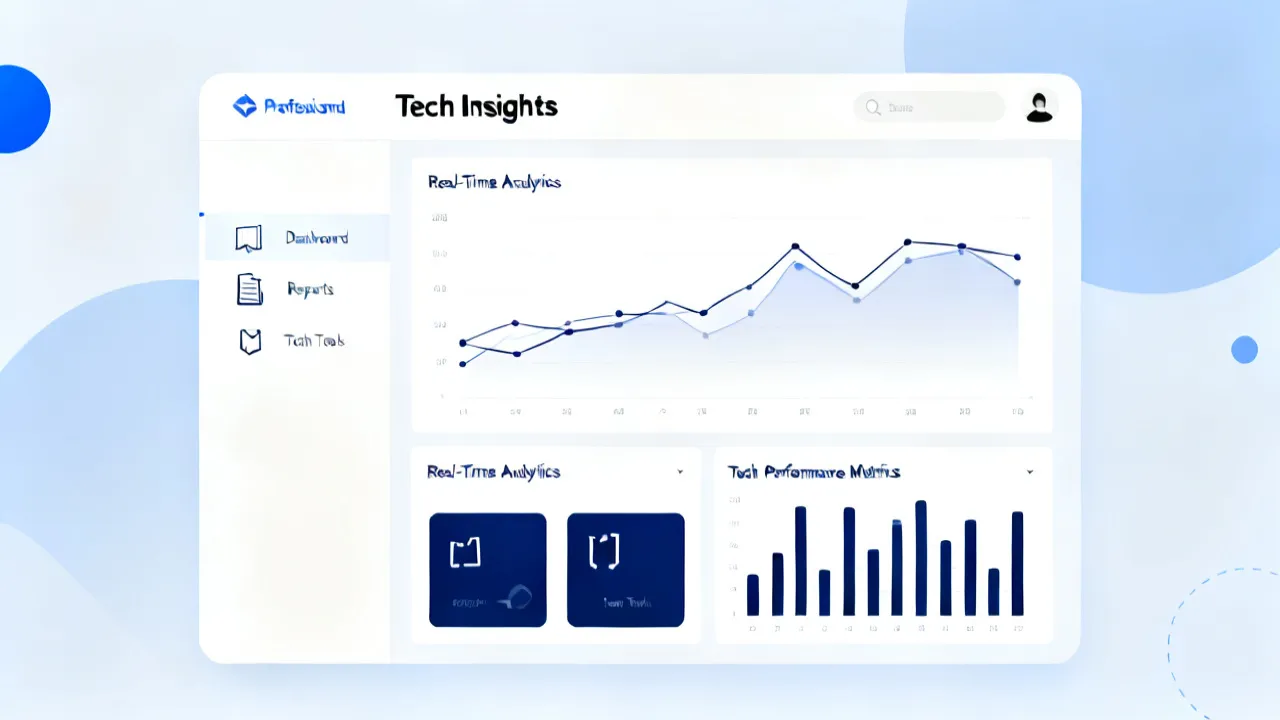
This comprehensive guide explores the significance of Www.highloworno.com, a platform potentially revolutionizing interaction with data analysis and decision-making tools. By delving into its features and usability, this article showcases Www.highloworno.com’s utility for individuals and businesses seeking to optimize their performance and decision-making processes. With an objective approach, it examines its capabilities and provides insights aligned with industry standards.

Themarkiii.com is a popular online platform known for its diverse range of products. With a focus on offering quality items across various categories, it has become a go-to destination for shoppers seeking unique gifts. Its user-friendly interface and comprehensive catalog provide a seamless shopping experience tailored to individual tastes and preferences.

Exploring Bio Micron Transilvania unveils the intersection of biotechnology and manufacturing excellence. This article delves into the company's core objectives, its strategic position in the European market, and its groundbreaking contributions to innovation. An expert's perspective on its unique operational strategies provides valuable insights into its success.

Bio Micron Transilvania plays a pivotal role in biotechnological advancements in Romania. This article delves into the company's contributions to the industry and its impact on both local and international markets. With a focus on innovation, Bio Micron Transilvania leads in developing sustainable and cutting-edge solutions. This guide offers an in-depth analysis of the company, its operations, and frequently asked questions.
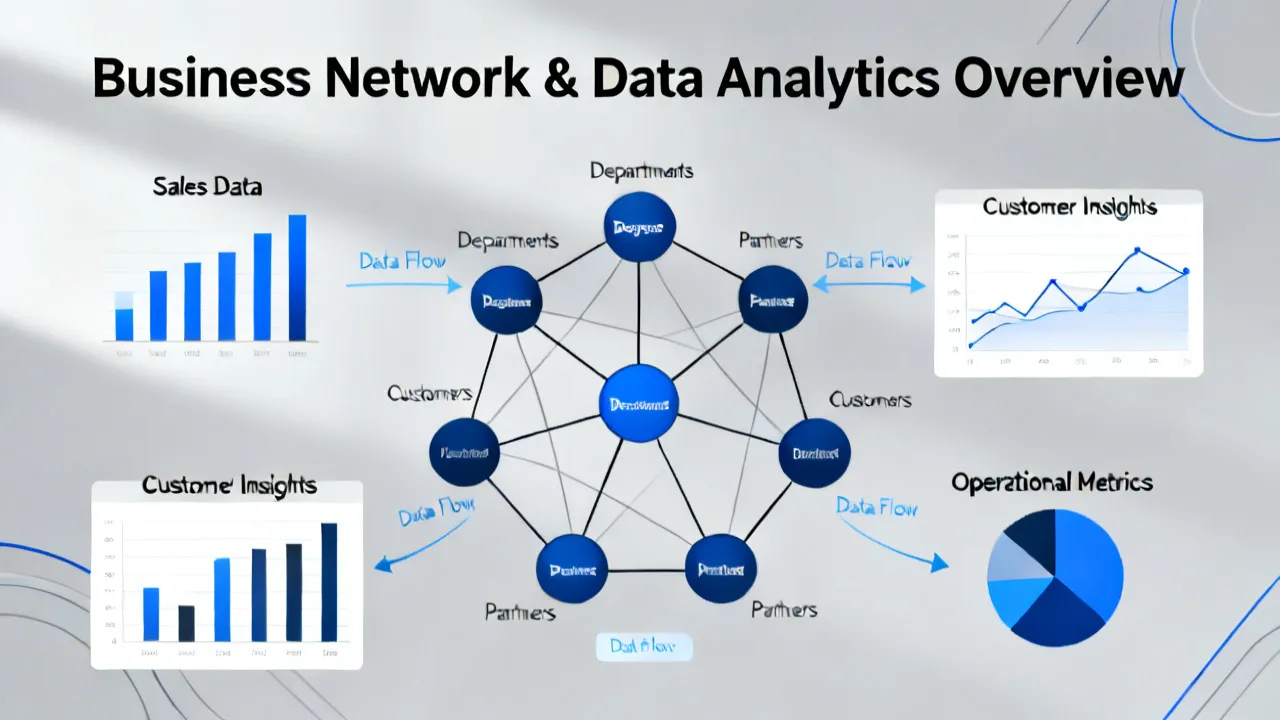
Armatic Crunchbase is an online platform offering comprehensive business solutions globally. It leverages data analytics and automation to optimize financial services and enhances customer engagement. In understanding Armatic Crunchbase, one must appreciate its impact on streamlining business operations and providing competitive insights. This article delves into its functionalities, industry relevance, and the potential benefits for businesses.
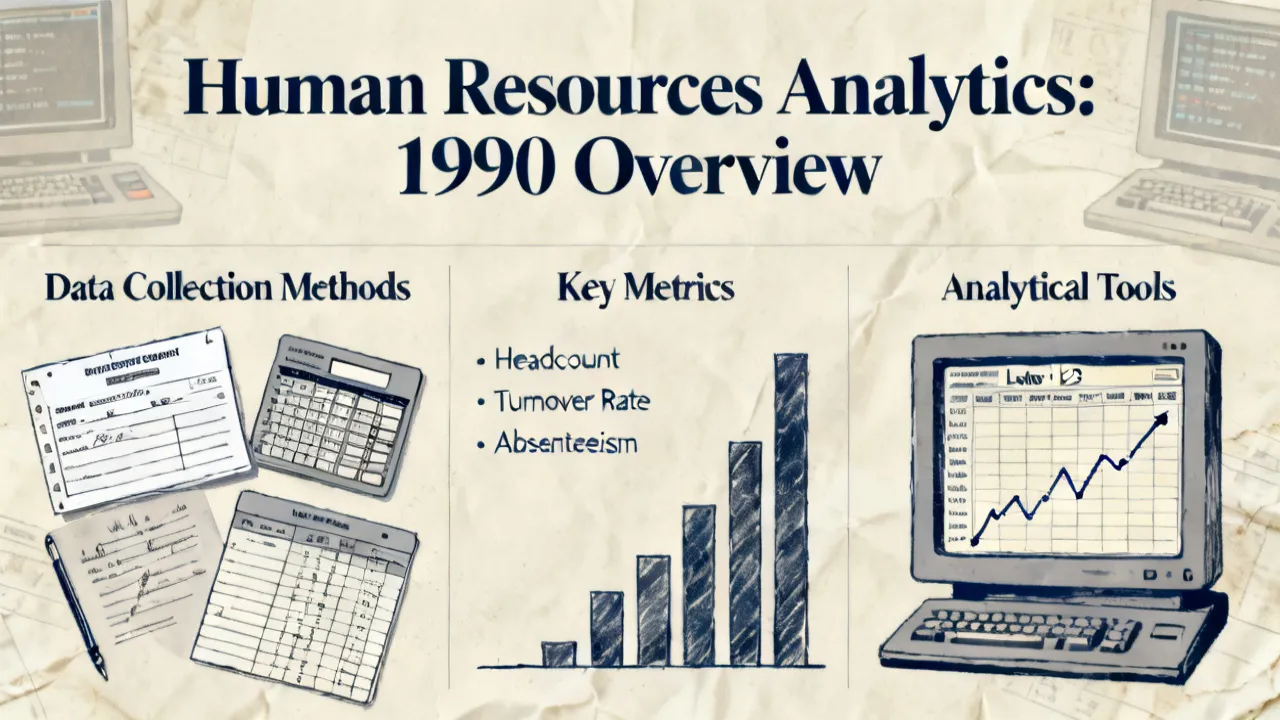
This article delves into the foundational work of Fitz Enz in 1990, which established a benchmark in human resources analytics. At a time when data-driven decision-making in HR was emerging, Fitz Enz provided frameworks and methodologies that transformed HR into a strategic partner within organizations. This guide examines the impact and evolution of his work on modern HR practices.

Dr. Jac Fitz-Enz is a pivotal figure in the field of workforce analytics, particularly noted for his 1990 contributions that have shaped how organizations measure and improve human capital ROI. This guide examines his methodologies and insights, evaluating their enduring influence on modern HR practices and exploring how they continue to guide executives in optimizing workforce management.

This guide explores the pioneering contributions of Fitz Enz, a significant figure in the realm of human resources and workforce metrics, emphasizing his groundbreaking work in 1990. Fitz Enz's methodologies shifted traditional HR paradigms, highlighting the importance of data-driven decision making. This comprehensive analysis delves into the facets of his research and its enduring influence on contemporary HR practices.